
 EN
EN
 ar
ar bg
bg hr
hr cs
cs da
da nl
nl fi
fi fr
fr de
de el
el hi
hi it
it ko
ko no
no pl
pl pt
pt ro
ro ru
ru es
es sv
sv tl
tl iw
iw id
id lv
lv lt
lt sr
sr sk
sk sl
sl uk
uk vi
vi et
et hu
hu th
th tr
tr fa
fa ms
ms hy
hy ka
ka ur
ur bn
bn mn
mn ta
ta kk
kk uz
uz ku
ku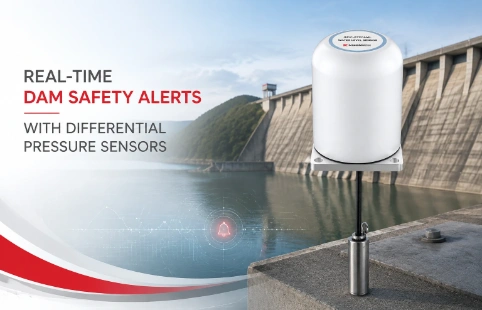
Real-Time Dam Safety Alerts with Differential Pressure Water Level Sensors
Key Takeaways An alert chain needs more than a sensor: define field in...

Wireless Data Logger Sensors: Technical Data & Compatibility
In geotechnical and structural monitoring, getting data out of the field without running cables changes the economics of large sensor networks. Wireless data logger sensors make this possible, but the real work happens at the interface—how the logger reads a vibrating wire gauge, compensates for temperature, or polls a string of RS485 instruments. Kingmach, a manufacturer focused on measurement and monitoring technology, builds these loggers to match common sensor types found on project sites. The devices accept a mix of inputs: frequency-based signals from piezometers or load cells, analogue current and voltage loops, and digital buses for tiltmeters or weather stations. Communication options typically include LoRaWAN for low‑power spread and 4G for direct cloud links. Rather than locking users into a single platform, the loggers use standard payload formats, which means data can be pushed into third‑party SCADA or IoT platforms without heavy middleware. The following sections break down key technical parameters and integration paths for these wireless data loggers.
Technical Detail
Kingmach’s wireless data logger sensors are built to handle the variety of signals found in field monitoring—vibrating wire, differential resistance, 4‑20 mA, 0‑10 V, potentiometer, and RS485. Each channel accepts a specific sensor type, and the front‑end signal conditioning is matched to the expected range, so resolution and accuracy stay meaningful. For example, a vibrating wire channel might offer a sweep range of 400‑6000 Hz with a resolution of 0.01 Hz, while a current loop channel handles signals from thousands of sensors with 16‑bit conversion. Hundreds of thousands of data points can be stored on board; when cellular or LoRa connectivity is available, the logger transmits in scheduled windows, then re-enters a low‑power sleep state. Data packets use MQTT or HTTP POST, and the logger can be addressed over Modbus TCP or RTU for direct polling by industrial gateways. This protocol flexibility means existing monitoring software can read the logger almost as a local device. For projects in remote areas, a sub‑1 GHz radio option extends range while keeping antenna size small. The housing is IP67, and operating temperature spans -20 °C to 60 °C as standard, with extended‑range builds available on request. Kingmach provides detailed communication protocol documents and example code for common platforms, so integration typically requires only adjusting a few configuration registers. Customisation options include channel count, logging interval, alarm triggers, and even the type of connector or mounting bracket.
News
Key Takeaways An alert chain needs more than a sensor: define field in...
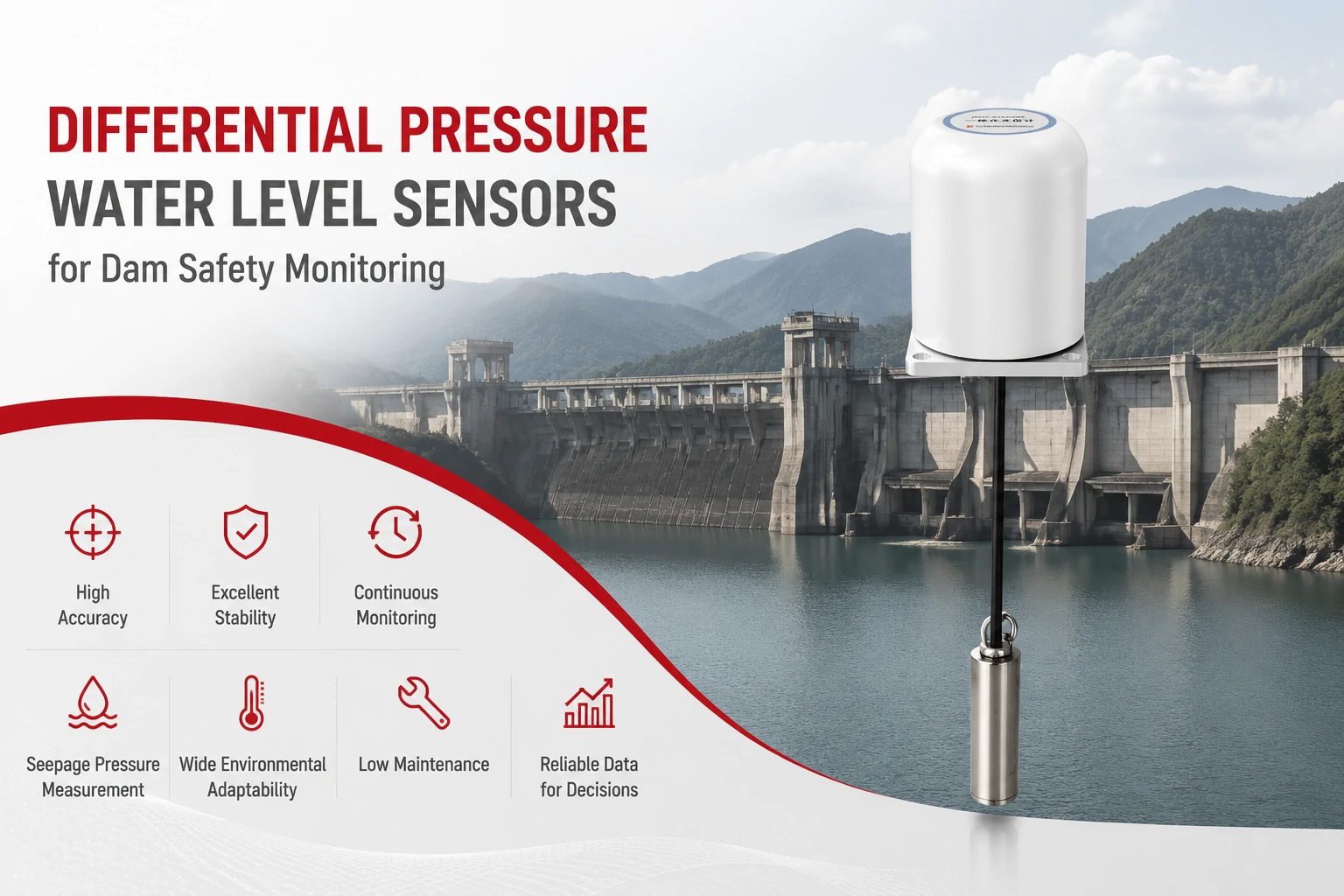
Key Takeaways The strongest fit is usually a confined, submerged, or s...
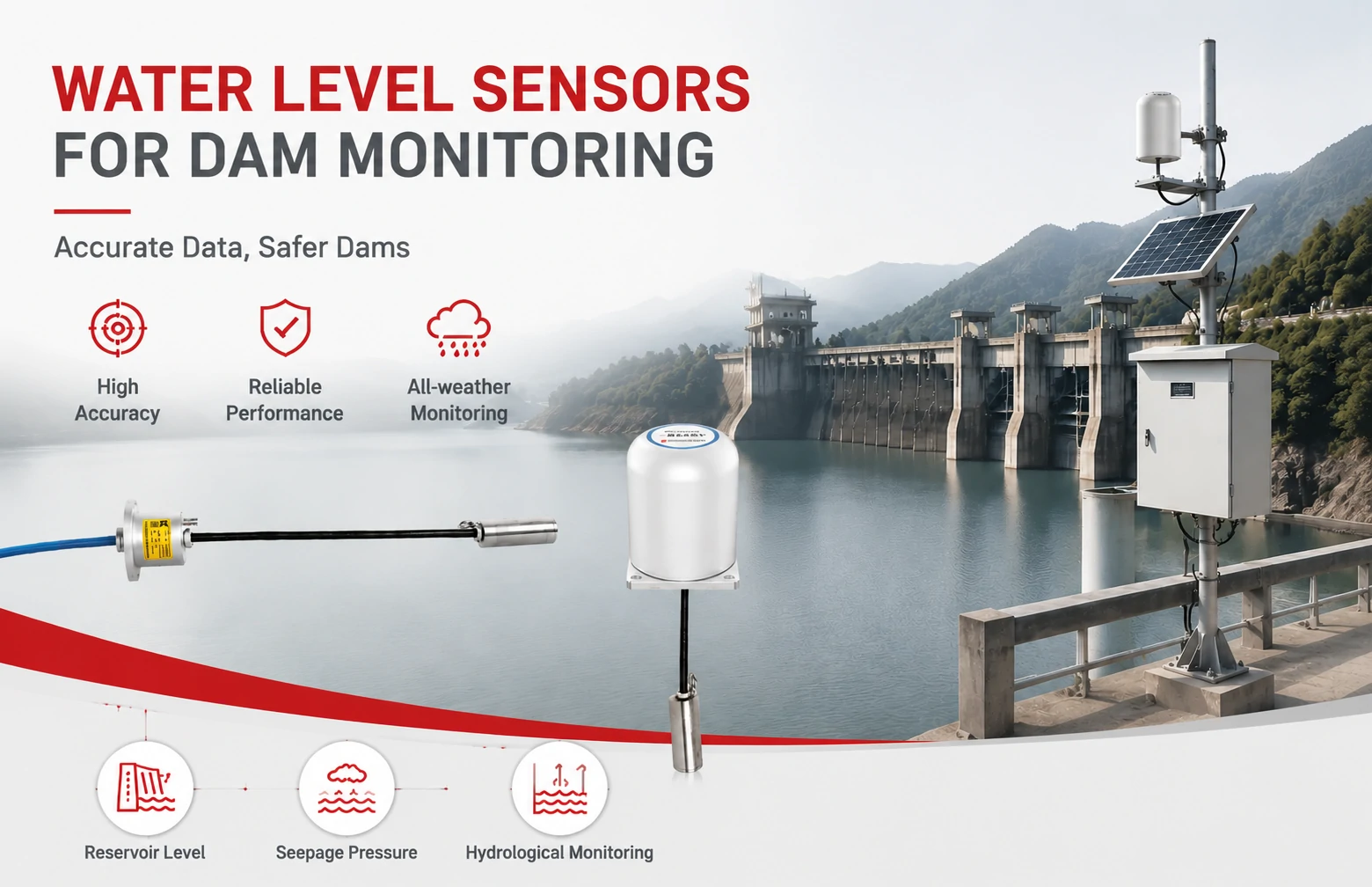
Kingmach Water Level Sensors for Dam Monitoring: A Buyer's Guide to Differential Pre...
Products
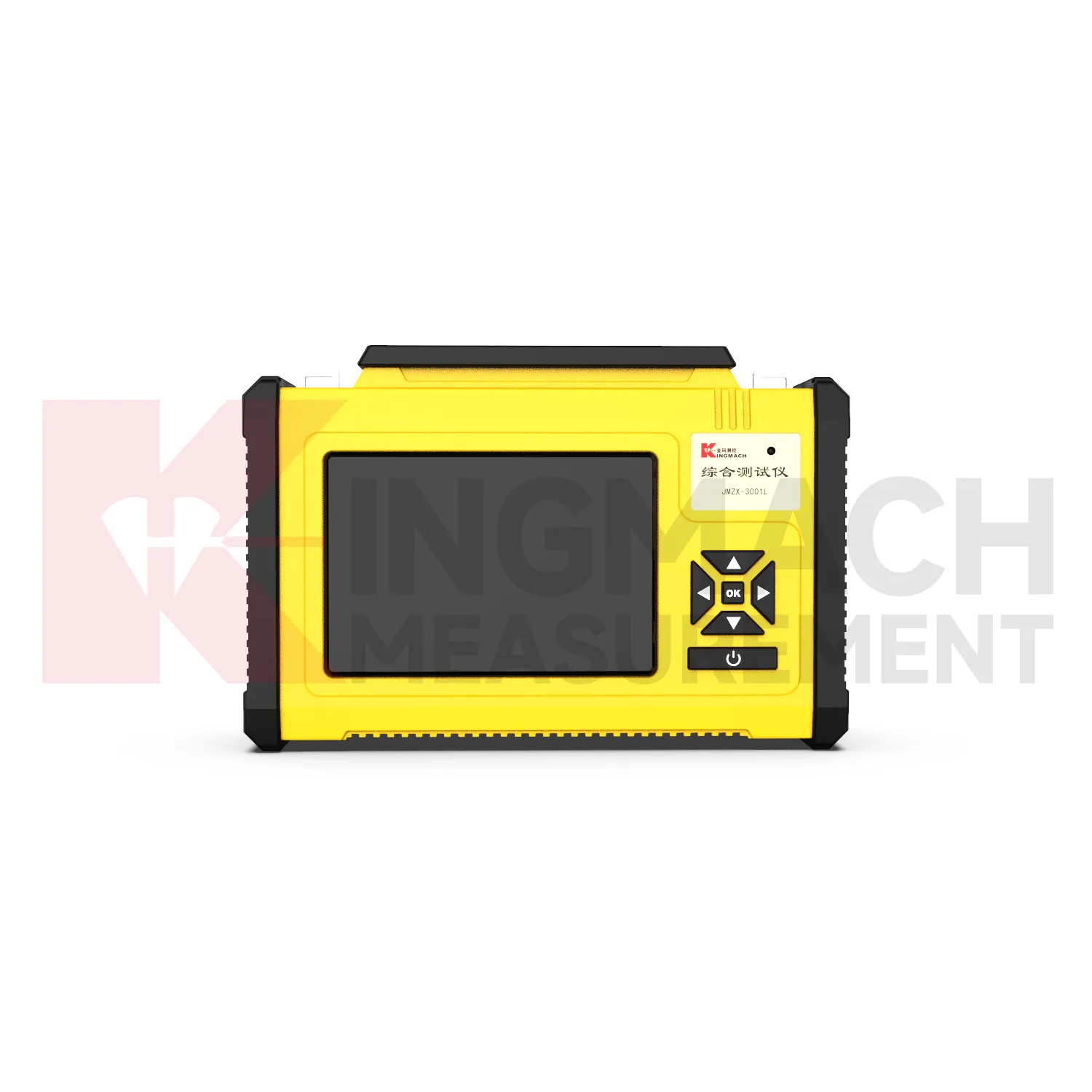
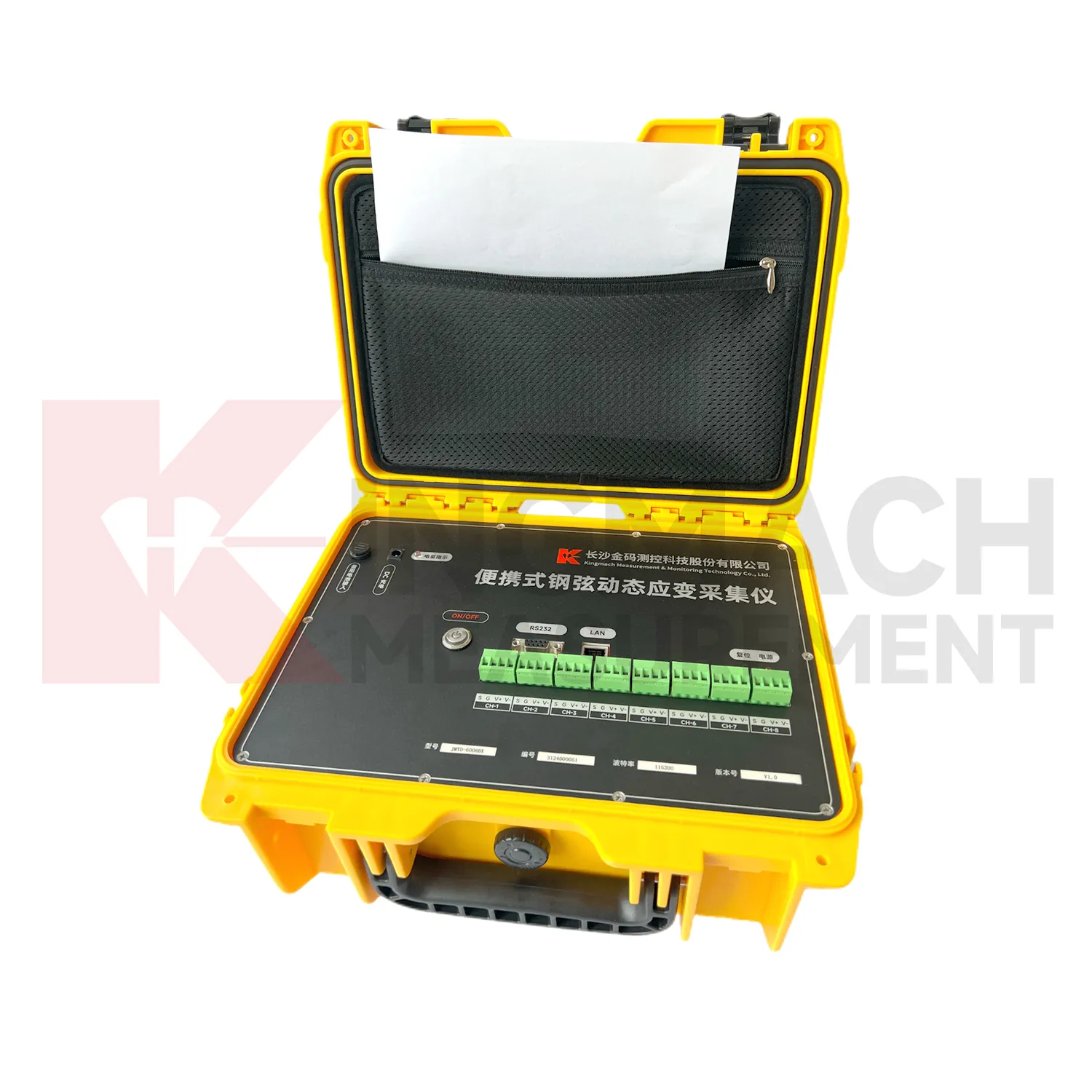
Portable Vibrating Wire Dynamic Strain Acquisition Readout JMYD-6008BX
View Details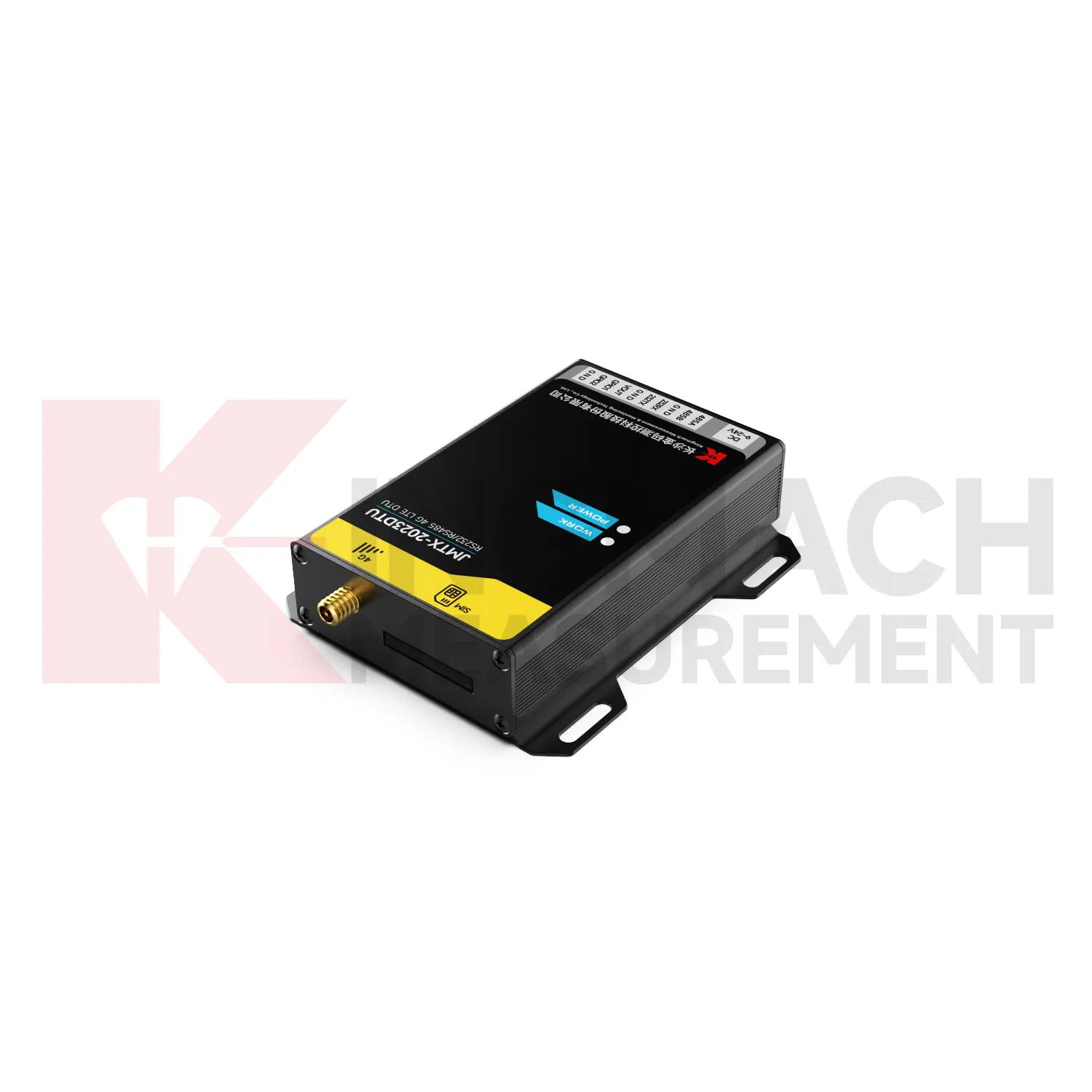
FAQ
The loggers accept a mix—vibrating wire sensors, analogue signals like 4‑20 mA or 0‑10 V, RS485 digital instruments, and simple resistive or voltage‑output devices. The exact combination depends on the model, and custom channel mixes are built to order.
It uses either LoRaWAN to a gateway or a 4G cellular modem. Data is formatted as JSON or Modbus registers and sent via MQTT or HTTP. If your infrastructure already talks SCADA, we can also have the logger respond directly to Modbus TCP polls from your software.
Readings are timestamped and buffered onto internal flash memory. When the network returns, the logger pushes the backlog without losing a single record. Storage size is typically enough for several months of hourly readings across all channels.
Yes—the data protocol is open. We support Modbus, MQTT with Sparkplug B, or custom HTTP posts. Engineers often drop them into things like Node‑RED, Grafana, or SCADA systems that know how to parse a register map. We include a protocol manual with every shipment.
Custom work is standard for us. Changes could be extra sensor channels, a different frequency band, a particular voltage range, or even a stainless‑steel housing for marine use. Just send the requirements and we will return a specification sheet with a lead time.
Share your product type, target capacity, and application requirements. Our team can review the details and recommend a practical next step.
If you are interested in our products or want to become our partner.
Please leave your contact information, our team will contact you as soon as possible.
Mail: [email protected]
Contact Us: +8613808434127
Address: No. 188 Tongzipo West Rd, Changsha, Hunan, China