
 EN
EN
 ar
ar bg
bg hr
hr cs
cs da
da nl
nl fi
fi fr
fr de
de el
el hi
hi it
it ko
ko no
no pl
pl pt
pt ro
ro ru
ru es
es sv
sv tl
tl iw
iw id
id lv
lv lt
lt sr
sr sk
sk sl
sl uk
uk vi
vi et
et hu
hu th
th tr
tr fa
fa ms
ms hy
hy ka
ka ur
ur bn
bn mn
mn ta
ta kk
kk uz
uz ku
ku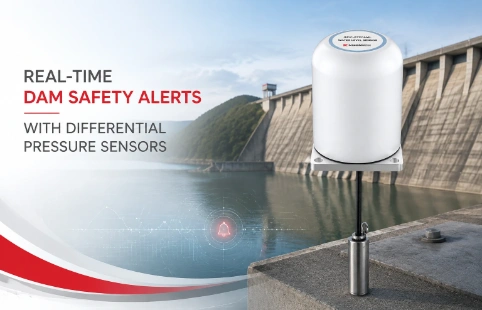
Real-Time Dam Safety Alerts with Differential Pressure Water Level Sensors
Key Takeaways An alert chain needs more than a sensor: define field in...

Weir Flow Meters: Straightforward Open Channel Measurement
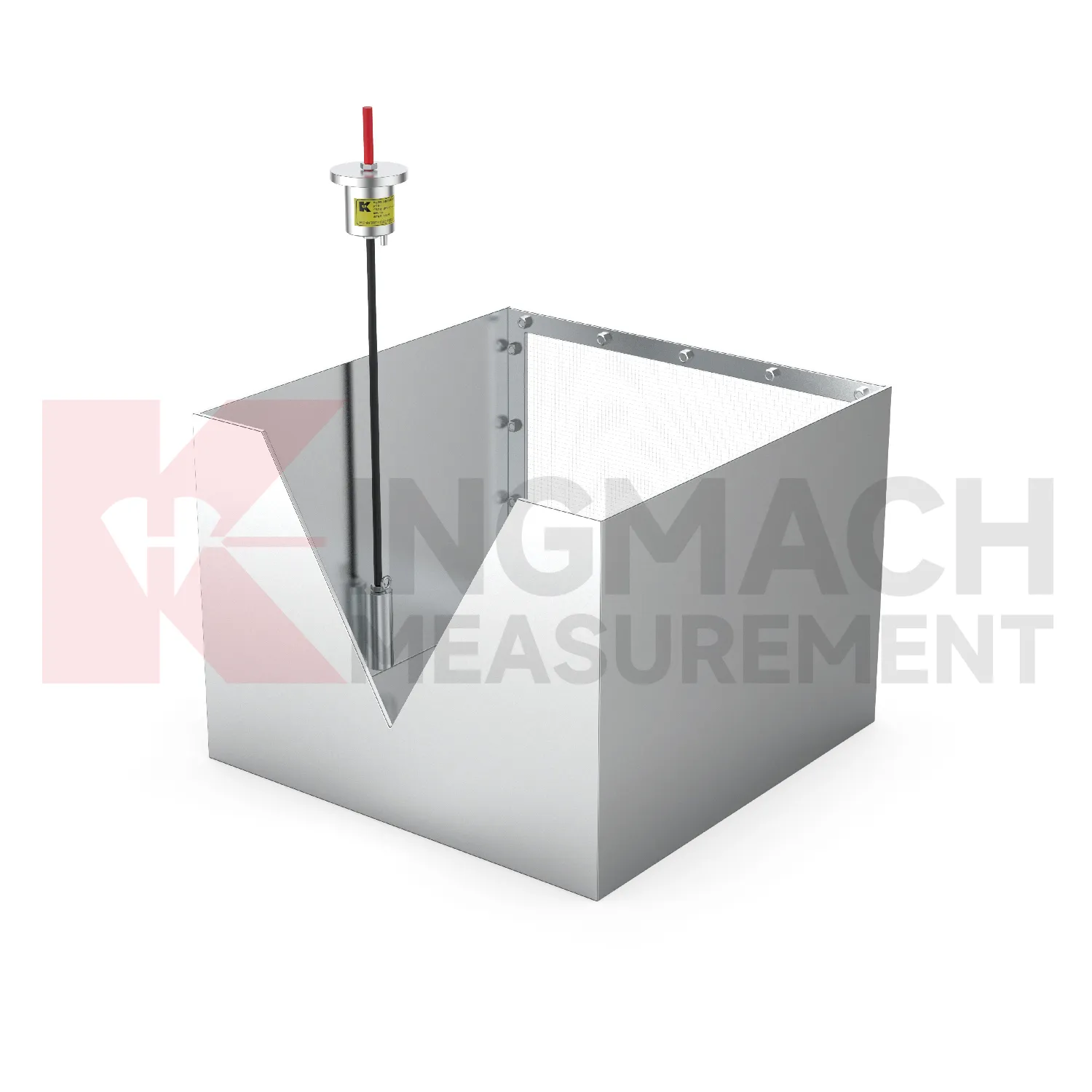
Measuring flow in an open channel often comes down to one thing: repeatable, low-maintenance hardware that doesn’t fight the environment. A weir flow meter does exactly that—it uses a known hydraulic structure and a level sensor to calculate flow, no in-stream moving parts, no fragile electronics in the water. At Kingmach, we supply the instrumentation that turns a standard weir plate or concrete notch into a functional monitoring point. The meters pair with ultrasonic or pressure-based level sensors and handle the conversion to flow rate on the spot. Common sites include irrigation turnouts, industrial effluent channels, and natural streams where a flume isn’t practical. Because every channel and weir dimensions differ, we set up the flow equation in the transmitter for the specific weir type—rectangular, V-notch, trapezoidal—so the displayed reading matches what’s in the channel. The result is a system that stays consistent through seasonal flow swings and doesn’t demand constant recalibration. For teams managing water rights compliance or plant inflow tracking, that kind of dependability means fewer rushed site visits and cleaner monthly reports.
Technical Detail
Kingmach Measurement & Monitoring Technology Co., Ltd. brings decades of geotechnical and hydrological instrument experience to weir flow measurement. As a mid-range professional manufacturer, we focus on practical, deployable solutions rather than chasing price points or excessive features. Our weir flow meter system works with common open channel configurations—rectangular weirs, triangular thin-plate weirs, compound weirs—and integrates level sensors that handle typical field challenges: foam, wind, temperature swings. The transmitter does more than just compute flow; it stores historical data, flags high- or low-flow events, and communicates via 4–20 mA, RS-485, or Modbus, so it drops into existing SCADA or telemetry setups without an elaborate retrofit. For new installations, we help size the primary device and select sensor mounting that avoids sediment buildup and direct sunlight interference. Customization options extend to cable length, power supply (solar or DC), and remote display units for sites where operators check readings on foot. Projects range from wastewater plant influent channels and agricultural canal monitoring to stormwater outfalls and mining water balance studies. Our global distribution network and in-house technical support mean that programming specific weir dimensions or troubleshooting a surcharged channel during commissioning is something we handle directly, not through a call center script. The instruments are designed for mid-range budgets—where accuracy and durability matter but gold-plated specs don’t—and the result is a workable measurement point that keeps generating data year after year.
News
Key Takeaways An alert chain needs more than a sensor: define field in...
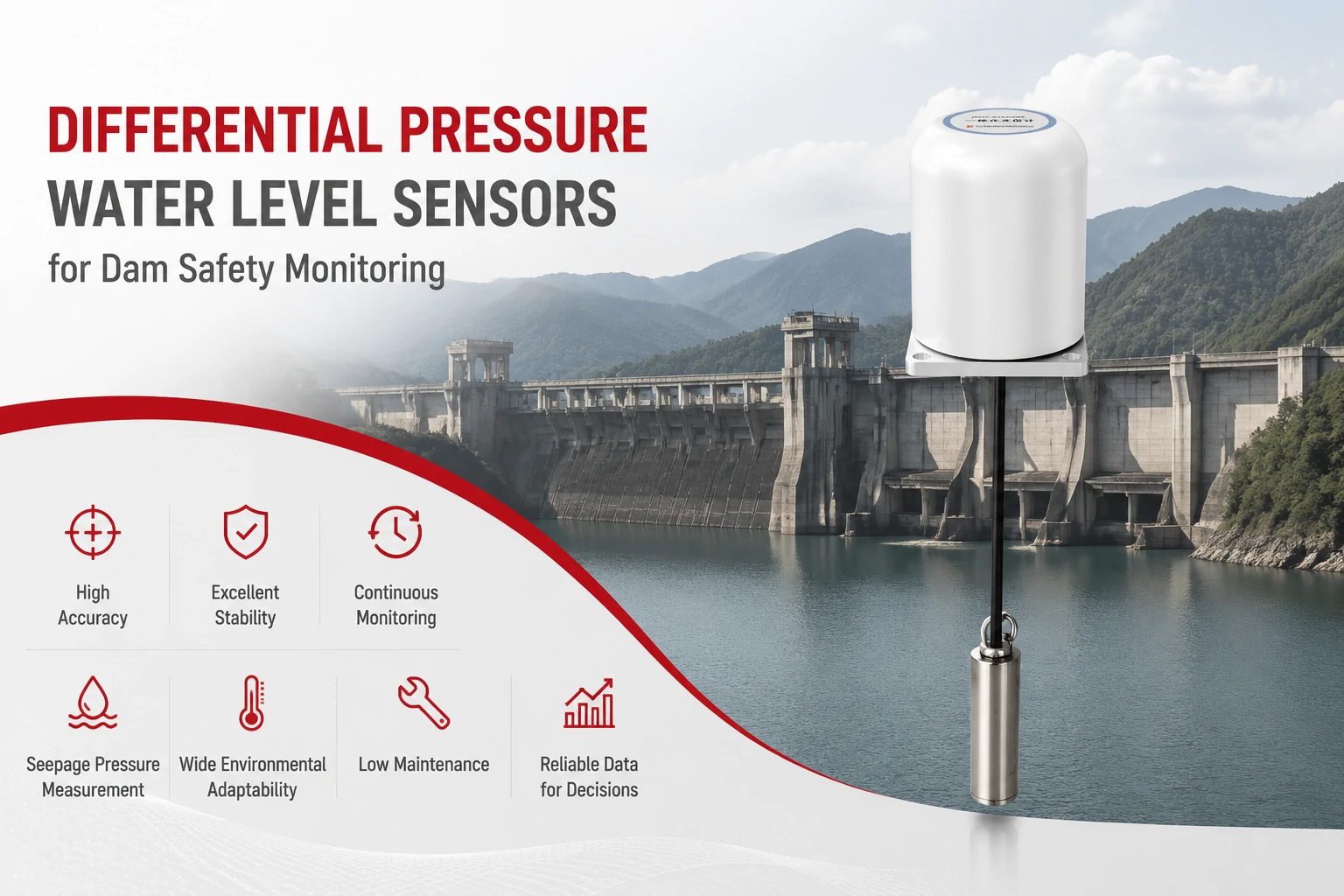
Key Takeaways The strongest fit is usually a confined, submerged, or s...
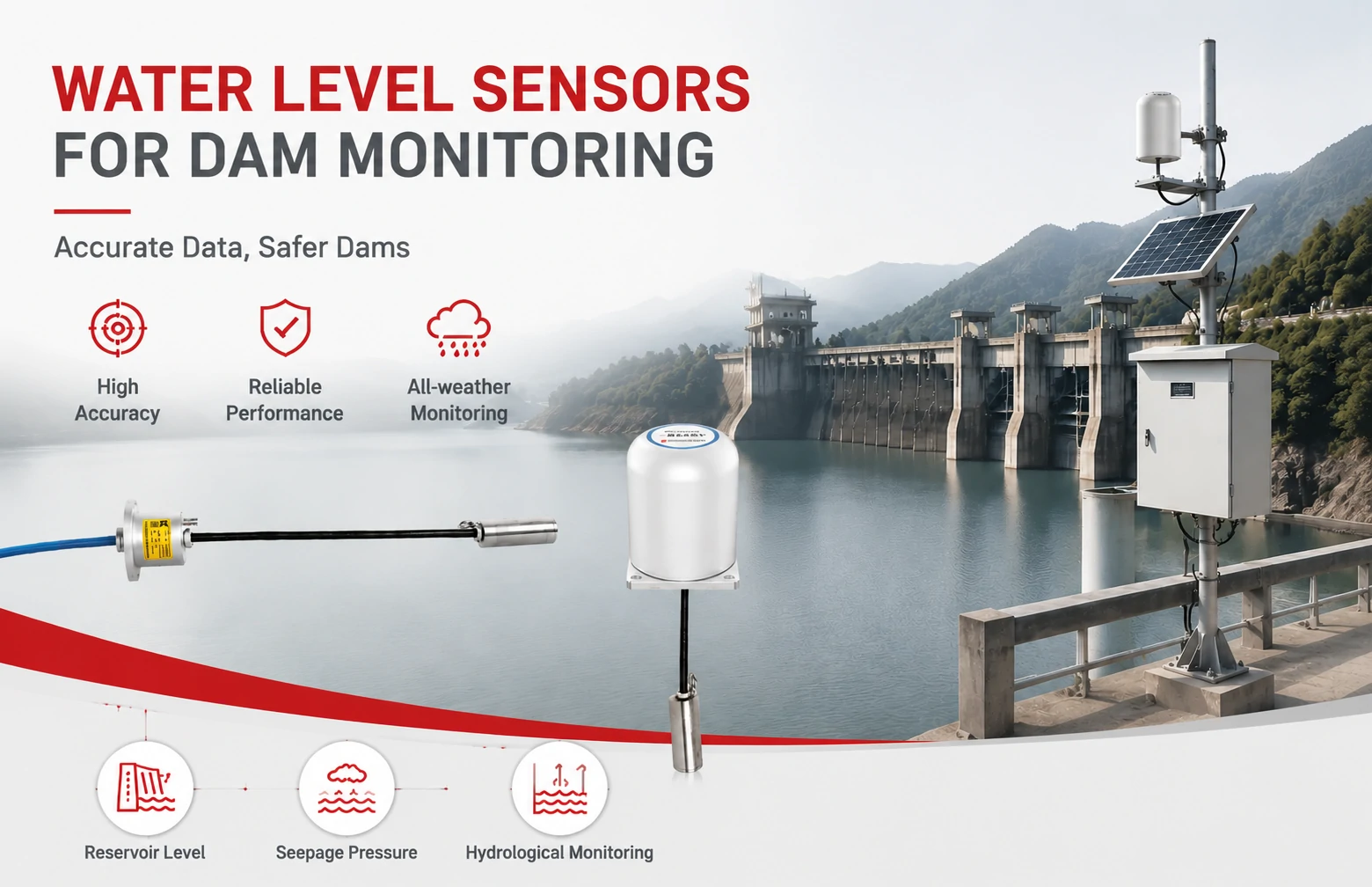
Kingmach Water Level Sensors for Dam Monitoring: A Buyer's Guide to Differential Pre...
Products
FAQ
The transmitter accepts the standard discharge equations for rectangular, 90° and 120° V-notch, and trapezoidal (Cipolletti) weirs. If you have a custom weir profile, we can program the rating curve in the factory before shipping. Field changes to the weir type or dimensions usually take only a few parameter edits on the keypad.
The level sensor mount is typically set back from the weir crest and elevated to avoid direct trash accumulation. For channels with heavy sediment, we suggest an ultrasonic sensor with a protective shroud or a pressure transmitter installed in a stilling well. The meter itself stays out of the water, so maintenance is mostly about keeping the sensor face clean.
Yes, many of our customers use the system for regulatory discharge monitoring or irrigation water accounting. The totalizer tracks volume continuously, and you can pull logged flow data via Modbus for reports. We recommend a secondary verification head measurement once or twice a year—just a manual staff gauge reading against the sensor output—to maintain confidence in the records.
Absolutely. Most retrofits bolt a sensor bracket to the channel wall or mount a pressure sensor in an existing stilling well. We provide dimensioned drawings for the bracket and help select the right cable route to avoid interference with maintenance access. The transmitter enclosure is weather-resistant and can be mounted on a nearby post or wall.
For sites that see ice, we recommend a pressure transmitter in a stilling well with a glycol-filled impulse line or heated enclosure. Ultrasonic sensors need to be mounted high enough so ice buildup on the sensor face doesn’t affect readings. We’ve done enough cold-weather installations to help you spec the right setup from the start, so the meter keeps working through winter.
Share your product type, target capacity, and application requirements. Our team can review the details and recommend a practical next step.
If you are interested in our products or want to become our partner.
Please leave your contact information, our team will contact you as soon as possible.
Mail: [email protected]
Contact Us: +8613808434127
Address: No. 188 Tongzipo West Rd, Changsha, Hunan, China