
 EN
EN
 ar
ar bg
bg hr
hr cs
cs da
da nl
nl fi
fi fr
fr de
de el
el hi
hi it
it ko
ko no
no pl
pl pt
pt ro
ro ru
ru es
es sv
sv tl
tl iw
iw id
id lv
lv lt
lt sr
sr sk
sk sl
sl uk
uk vi
vi et
et hu
hu th
th tr
tr fa
fa ms
ms hy
hy ka
ka ur
ur bn
bn mn
mn ta
ta kk
kk uz
uz ku
ku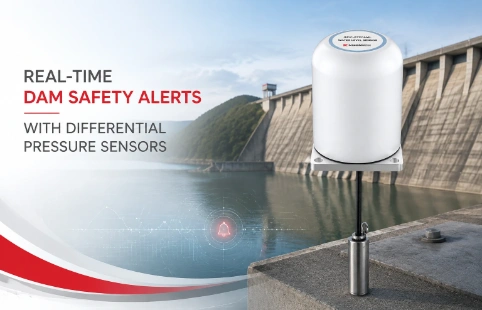
Real-Time Dam Safety Alerts with Differential Pressure Water Level Sensors
Key Takeaways An alert chain needs more than a sensor: define field in...

Strain Gauge Sensors Built for Field Reliability
In geotechnical monitoring, strain gauge sensors do the heavy lifting—measuring stress within concrete piles, tracking deformation in tunnel linings, or keeping an eye on structural health in bridges. These are not components you swap out on a whim; they're embedded for years, sometimes decades. Kingmach has been supplying such sensors to monitoring projects worldwide, focusing on practical, install-ready designs that don't demand a PhD to set up. The company's strain gauge offerings cover the common types—vibrating wire, resistive, and fiber optic—each suited to different ground conditions and measurement ranges. What sets them apart is less about a single breakthrough and more about consistency: sensors that drift less than industry averages, cables that survive rough handling, and data that holds up when the weather doesn't.
Technical Detail
Kingmach manufactures strain gauge sensors as part of a broader geotechnical instrument lineup—inclinometers, piezometers, load cells, and more. This isn't a side business; it's core to the company's identity. The strain gauges are built around standard form factors: spot-weldable for steel structures, embedment gauges for concrete, and arc-weldable rebar strain meters for pile testing. Most use proven vibrating wire technology because it holds up under long-term submersion and temperature swings. Resistive foil gauges are also available for short-term, high-resolution applications. One practical advantage Kingmach emphasizes is customization. If a project requires non-standard gauge lengths or cable terminations, the engineering team typically can accommodate without excessive lead time. This matters when monitoring schemes need to match specific rebar diameters or embedment depths. The sensors come with basic protection—IP68-rated housings where applicable—and are tested against common interference sources. After-sales support is another aspect they invest in. Distributors in over 30 countries stock common models, and technical support can assist with installation troubleshooting. For projects that need data loggers, software, or turnkey monitoring solutions, Kingmach offers integrated systems, though many customers simply integrate with their existing dataloggers. At the end of the day, these are tools for engineers who value reliability over flash. The company's focus on cost-effectiveness—not cheap, but reasonable pricing for consistent performance—fits well with mid-tier monitoring programs where budgets are tight but failures aren't an option.
News
Key Takeaways An alert chain needs more than a sensor: define field in...
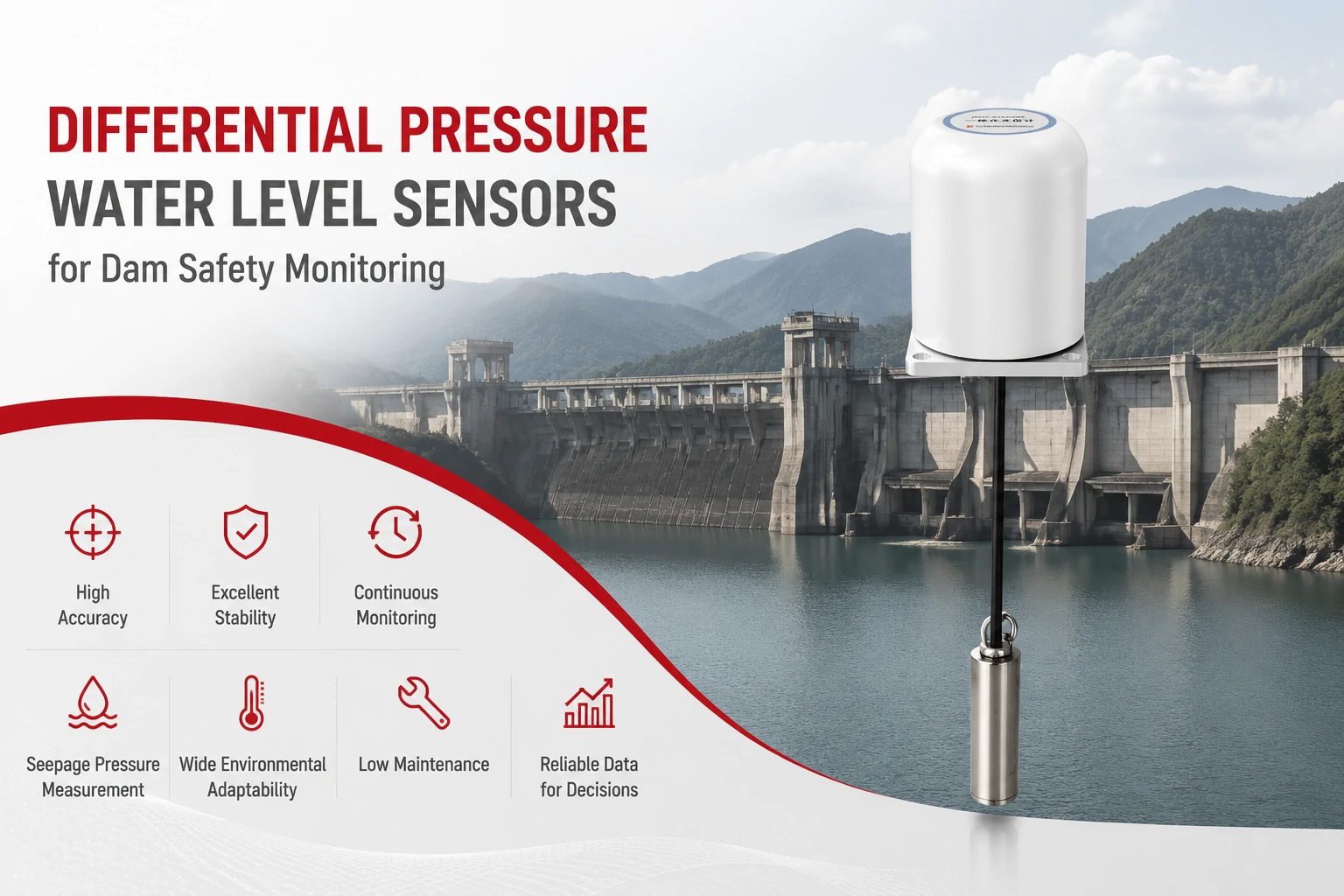
Key Takeaways The strongest fit is usually a confined, submerged, or s...
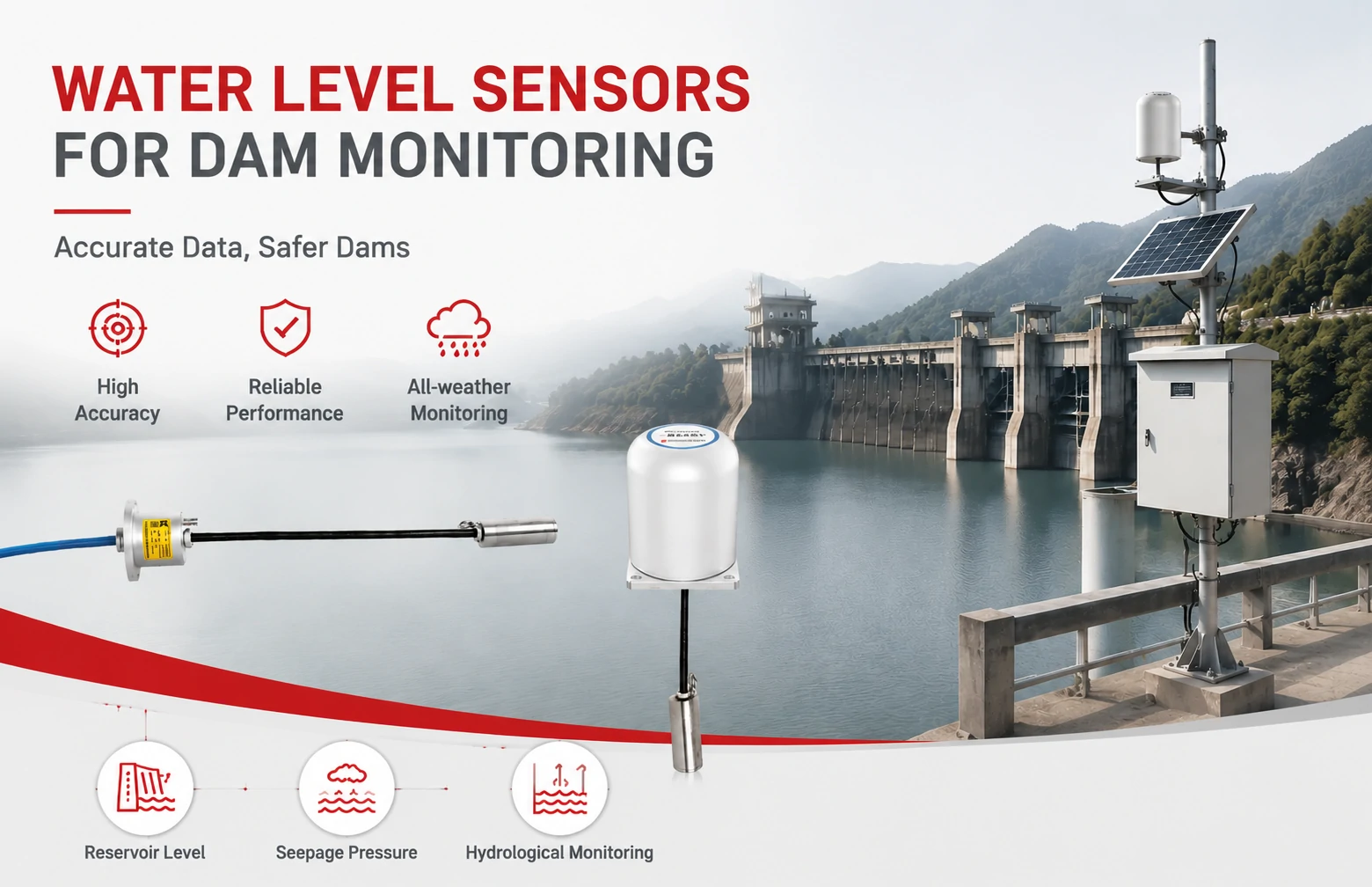
Kingmach Water Level Sensors for Dam Monitoring: A Buyer's Guide to Differential Pre...
Products
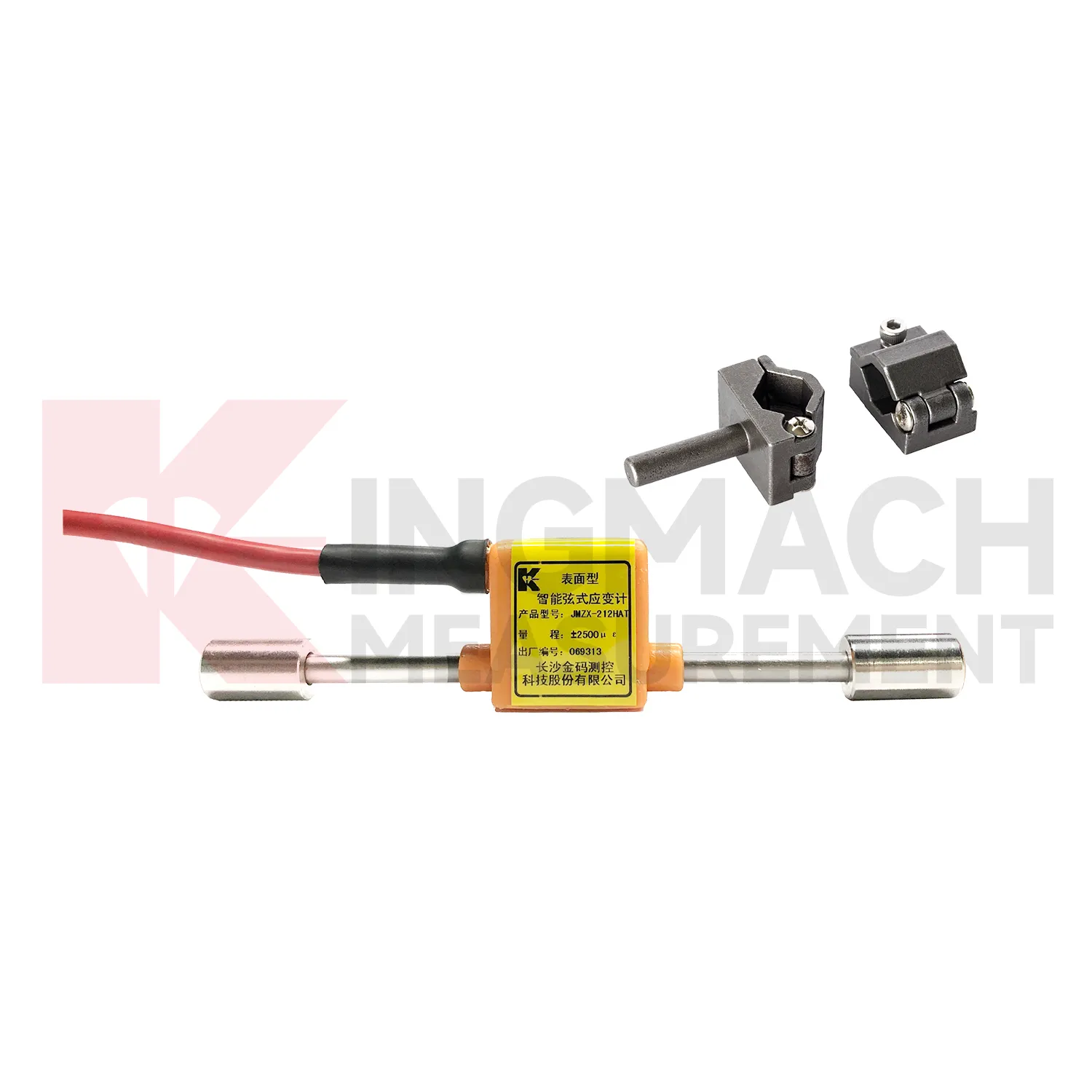
Smart vibrating wire strain gauge (surface model) JMZX-212HAT/HB
View Details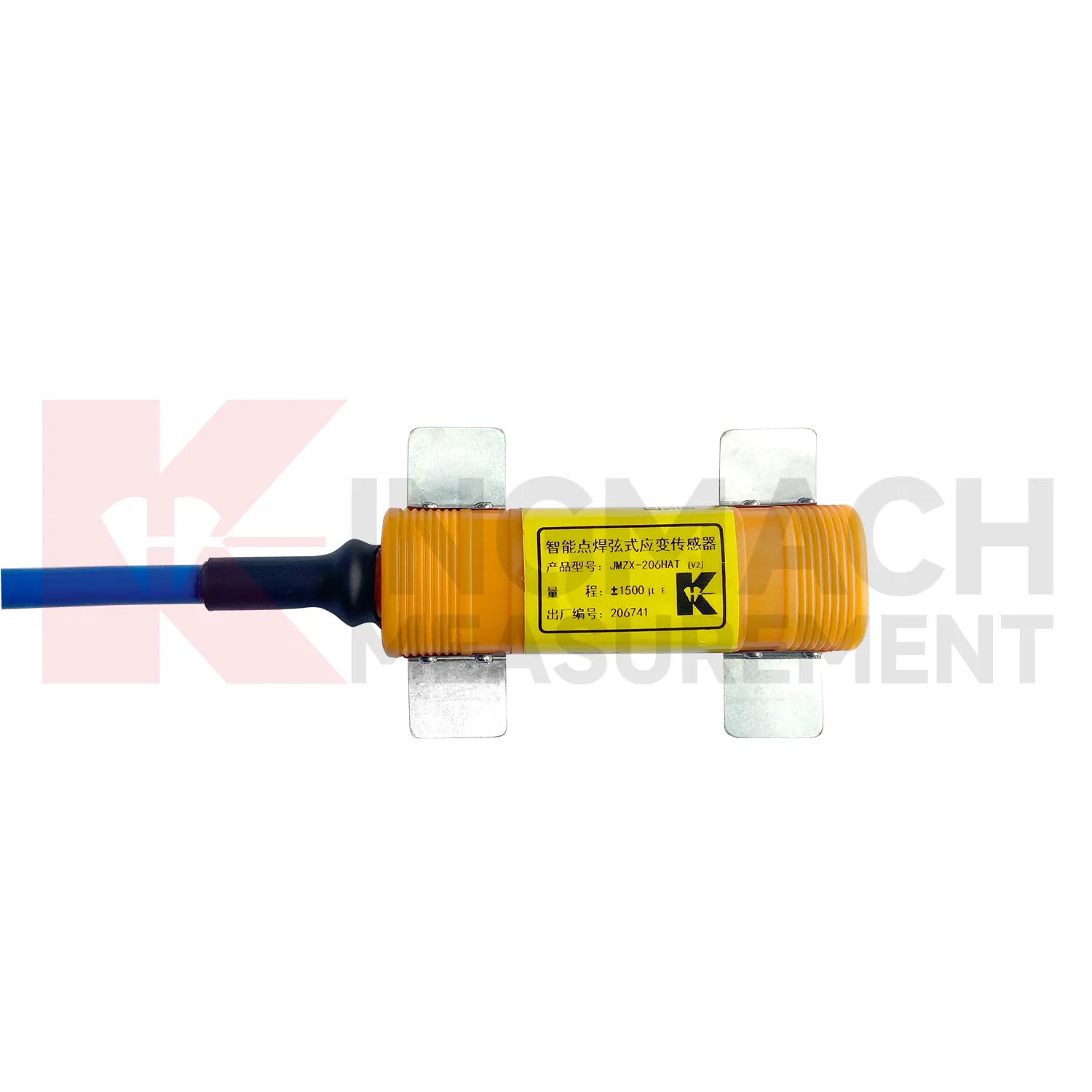
Smart vibrating wire strain gauge (surface welded model) JMZX-206HAT
View Details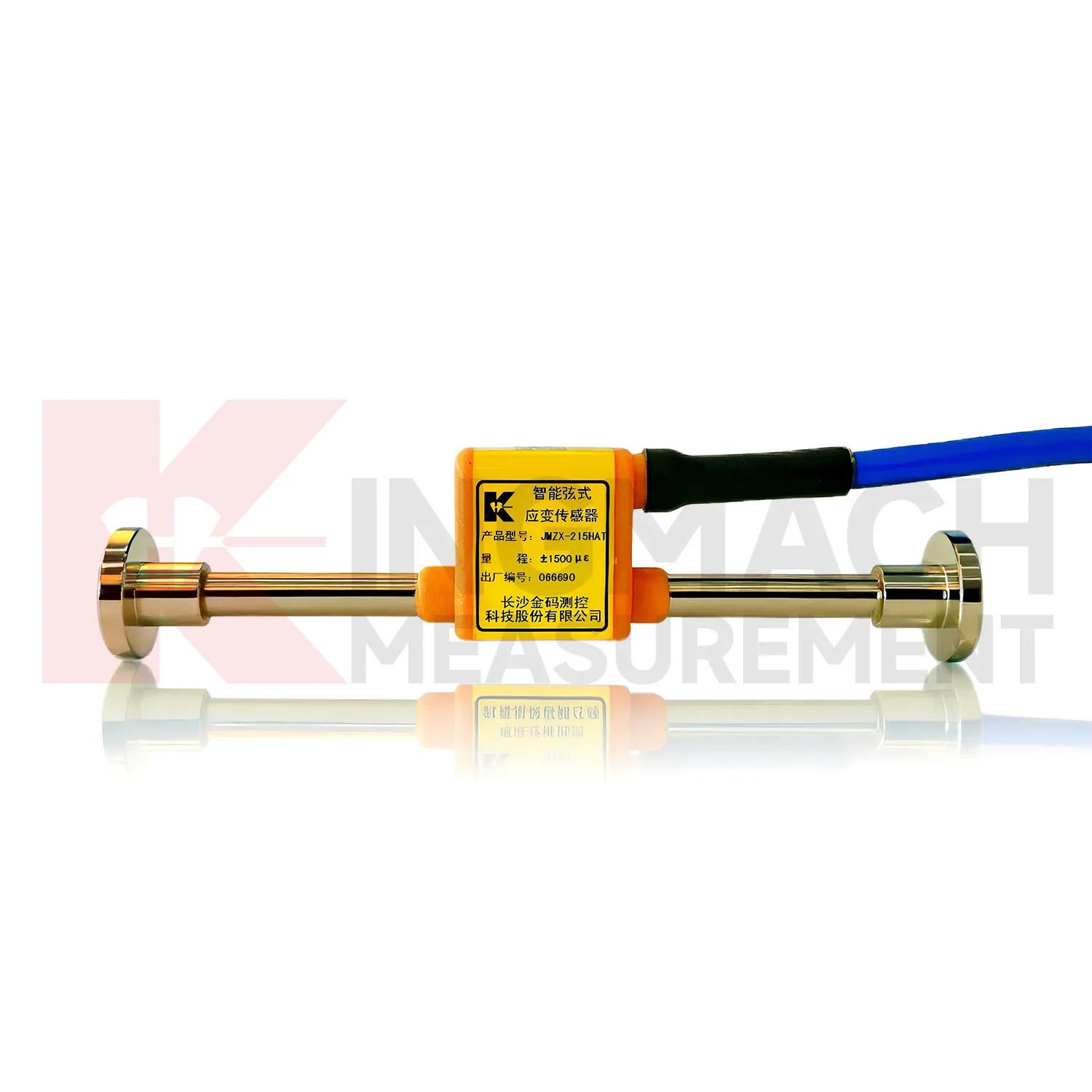
Smart vibrating wire strain gauge (embedment model) JMZX-215HA/215HAT/HB
View DetailsFAQ
For long-term embedding in concrete, vibrating wire strain gauges are usually the first choice. They don't suffer from zero-drift the way resistive gauges can over years, and the frequency signal travels farther without degradation. Kingmach's embedment gauges use a steel housing bonded to a vibrating wire element; the concrete grips it, and the wire's tension changes with strain. Installers appreciate that the readings aren't affected by cable length changes due to temperature—a practical pain point in large dams.
Yes, customization is something Kingmach handles regularly. If you're working with non-standard rebar diameters or need a specific gauge length to match your stress zones, their engineering team can modify the sensor body accordingly. There might be a minimum order quantity and a few weeks added to delivery, but it's often more practical than adapting a standard sensor in the field.
Resistive foil gauges offer higher resolution and faster response, but they're prone to drift over time and are sensitive to moisture ingress. Vibrating wire gauges, while slightly less sensitive, are inherently stable—the resonant frequency of a tensioned wire doesn't change on its own, so zero-drift is negligible. For monitoring that lasts more than a few months, vibrating wire is the industry default. Kingmach supplies both types, but for most geotechnical applications, they'll steer you toward vibrating wire unless you specifically need dynamic strain measurement.
Most Kingmach vibrating wire strain gauges output frequency (Hz) and optionally a thermistor reading for temperature correction. Any readout unit that can excite the coil and measure resonant frequency works—commonly Campbell Scientific dataloggers, Geokon readouts, or Kingmach's own KCX series. The linear relationship between strain and frequency-squared is well documented, so conversion is straightforward.
Kingmach provides technical documentation and remote support for installation, but on-site supervision is case-by-case—usually for large orders or projects where a distributor is involved. Many customers find that the installation manuals are sufficient, but if you need a technician on site, it's best to discuss this early in the procurement process.
Share your product type, target capacity, and application requirements. Our team can review the details and recommend a practical next step.
If you are interested in our products or want to become our partner.
Please leave your contact information, our team will contact you as soon as possible.
Mail: [email protected]
Contact Us: +8613808434127
Address: No. 188 Tongzipo West Rd, Changsha, Hunan, China