
 EN
EN
 ar
ar bg
bg hr
hr cs
cs da
da nl
nl fi
fi fr
fr de
de el
el hi
hi it
it ko
ko no
no pl
pl pt
pt ro
ro ru
ru es
es sv
sv tl
tl iw
iw id
id lv
lv lt
lt sr
sr sk
sk sl
sl uk
uk vi
vi et
et hu
hu th
th tr
tr fa
fa ms
ms hy
hy ka
ka ur
ur bn
bn mn
mn ta
ta kk
kk uz
uz ku
ku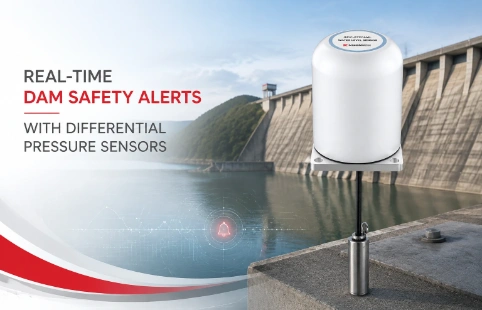
Real-Time Dam Safety Alerts with Differential Pressure Water Level Sensors
Key Takeaways An alert chain needs more than a sensor: define field in...

Strain Gauge Load Cells – Kingmach
A bridge's structural health often depends on a handful of sensors buried in its foundations. Among them, strain gauge load cells quietly track the forces that matter. Kingmach manufactures these load cells for geotechnical and industrial weighing tasks that require consistent, repeatable data. Rather than chasing the highest specs, we focus on practical reliability—sensors that hold their calibration through temperature swings and long-term installations. Our range covers everything from compact single point load cells for platform scales to heavy-duty compression types for pile testing, and we routinely customize outputs, threads, and housings to match project specifications. Working through a network of distributors, we stock common models and offer technical support that goes beyond a manual. If your monitoring plan or batching system depends on strain gauge load cells, it often pays to talk to a manufacturer that treats customization as standard.
Technical Detail
Strain gauge load cells work by converting mechanical deformation into an electrical signal — a principle that seems simple until you need it to work reliably in a muddy construction site or inside a silo for years. Kingmach has been producing these load cells as part of a wider geotechnical instrument line, so the designs often share rugged housing features borrowed from our pressure cells and inclinometers. The range includes both analog (mV/V) and amplified (4-20mA, 0-5V) output versions, with capacities from a few kilograms up to hundreds of tonnes. Because we operate in the mid-market, the balance we aim for is between measurable accuracy (typically C3 class for legal-for-trade systems) and cost that doesn't force you to over-spec. Customization is more than tweaking the thread size: we can adjust creep compensation for long-term structural monitoring, configure redundant bridges for safety-critical lifts, or build stainless steel sealed versions for marine environments. Stock availability for popular models helps distributors deliver quickly, and we often hold calibration sheets ready for traceability. If you are building a weighbridge, a tank leveling system, or a foundation test rig, these load cells tend to fit when off-the-shelf options either demand too much lead time or refuse to adapt. Send us a sketch or a spec sheet, and we'll recommend a configuration that matches the real conditions, not just a catalog description.
News
Key Takeaways An alert chain needs more than a sensor: define field in...
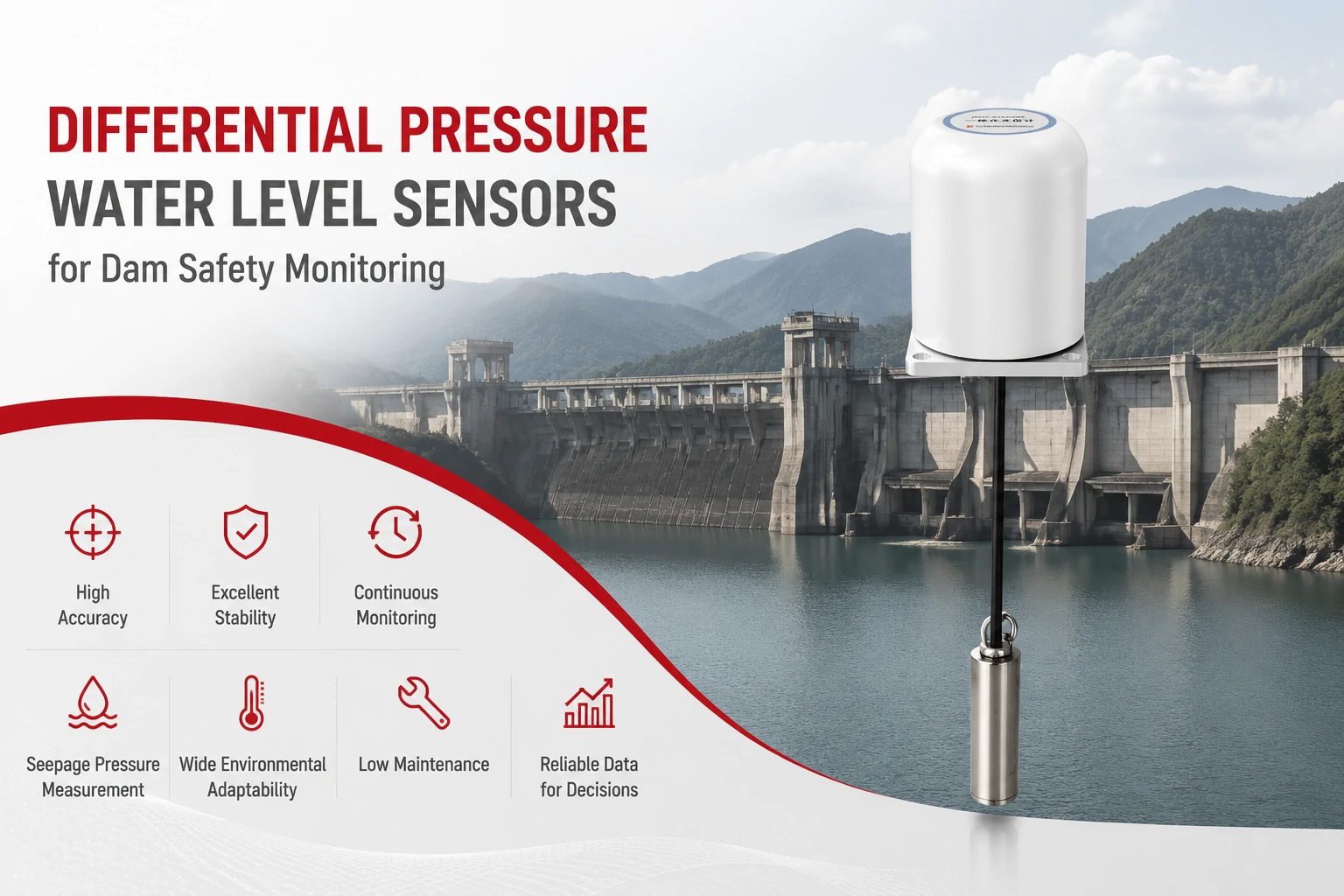
Key Takeaways The strongest fit is usually a confined, submerged, or s...
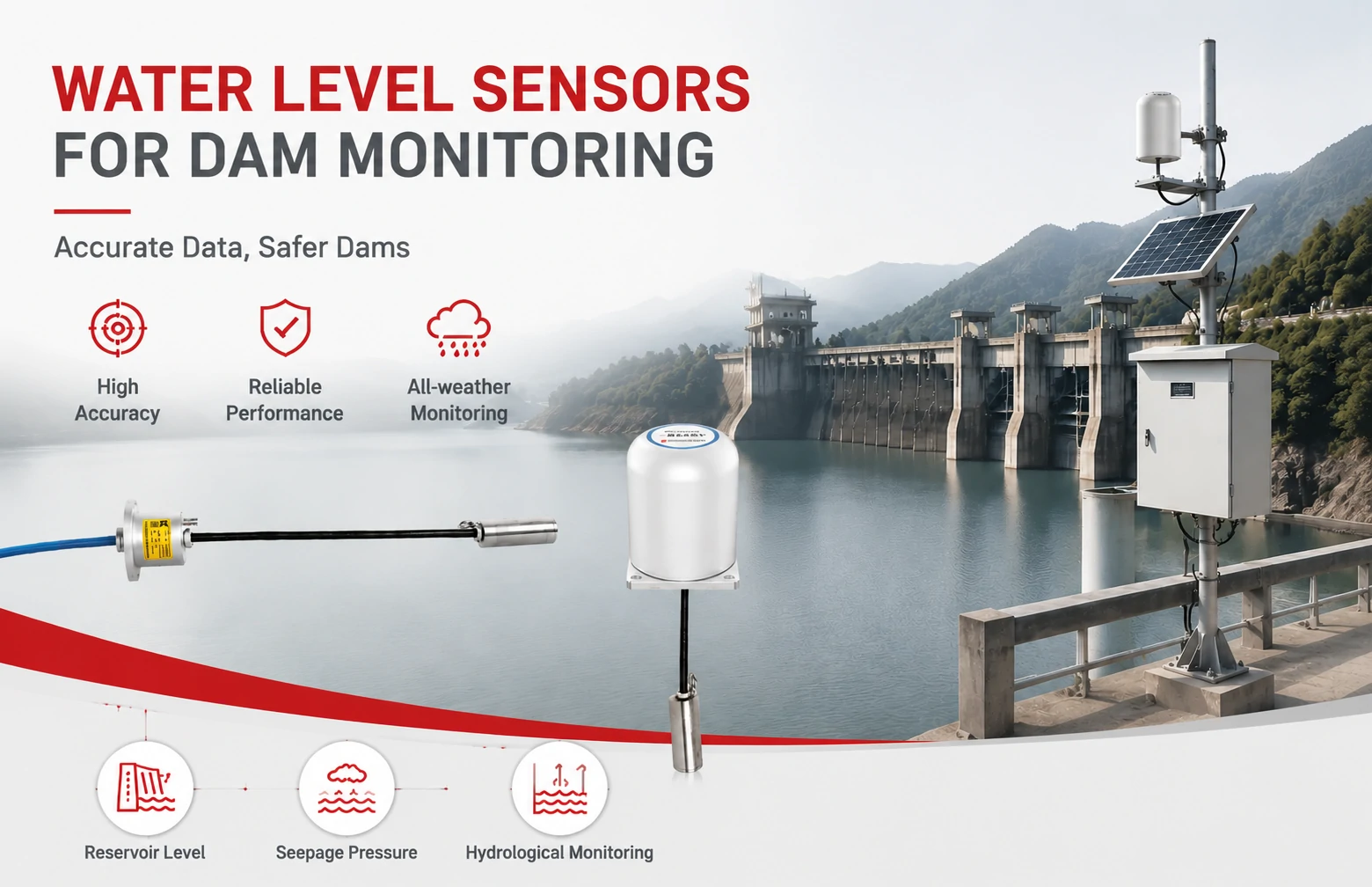
Kingmach Water Level Sensors for Dam Monitoring: A Buyer's Guide to Differential Pre...
Products
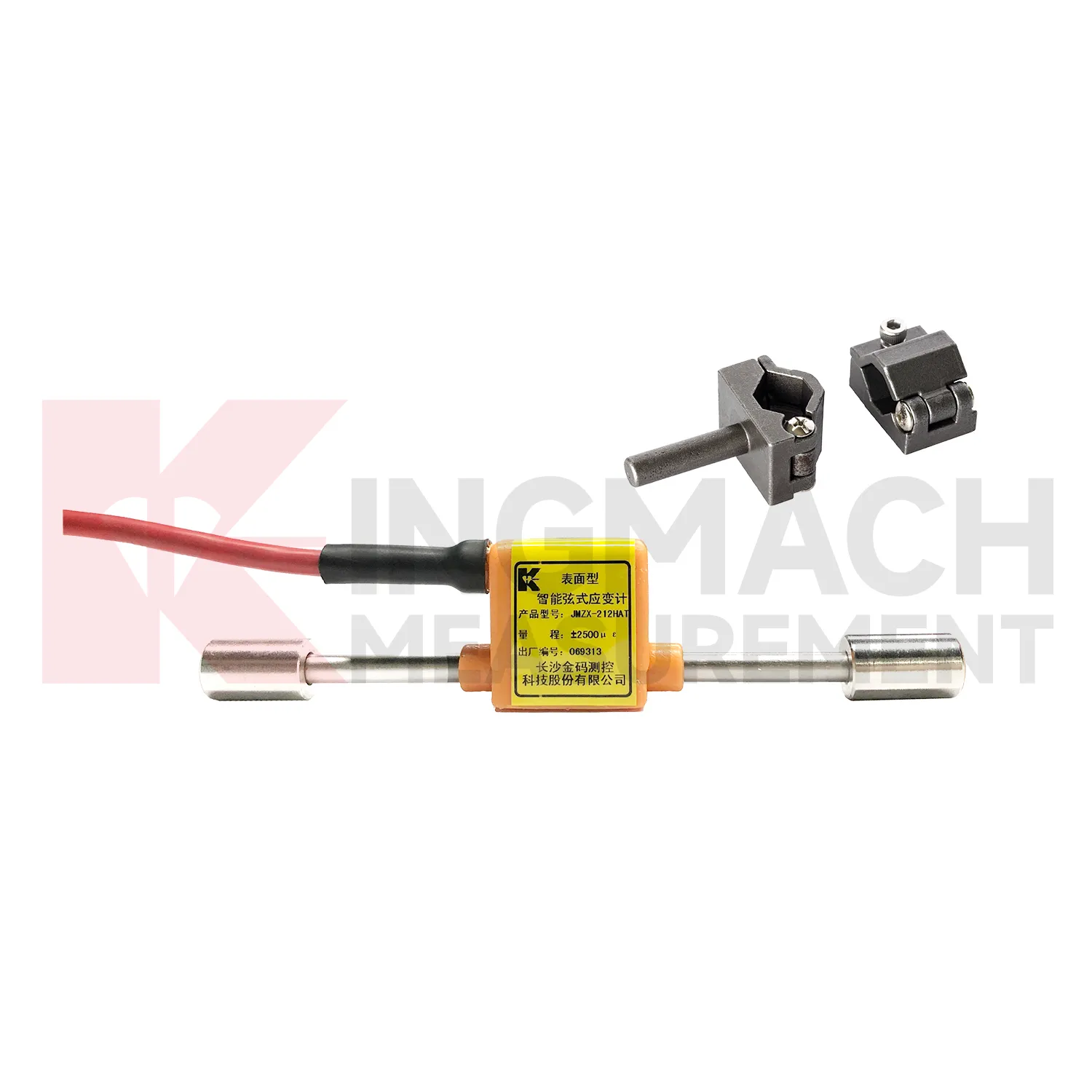
Smart vibrating wire strain gauge (surface model) JMZX-212HAT/HB
View Details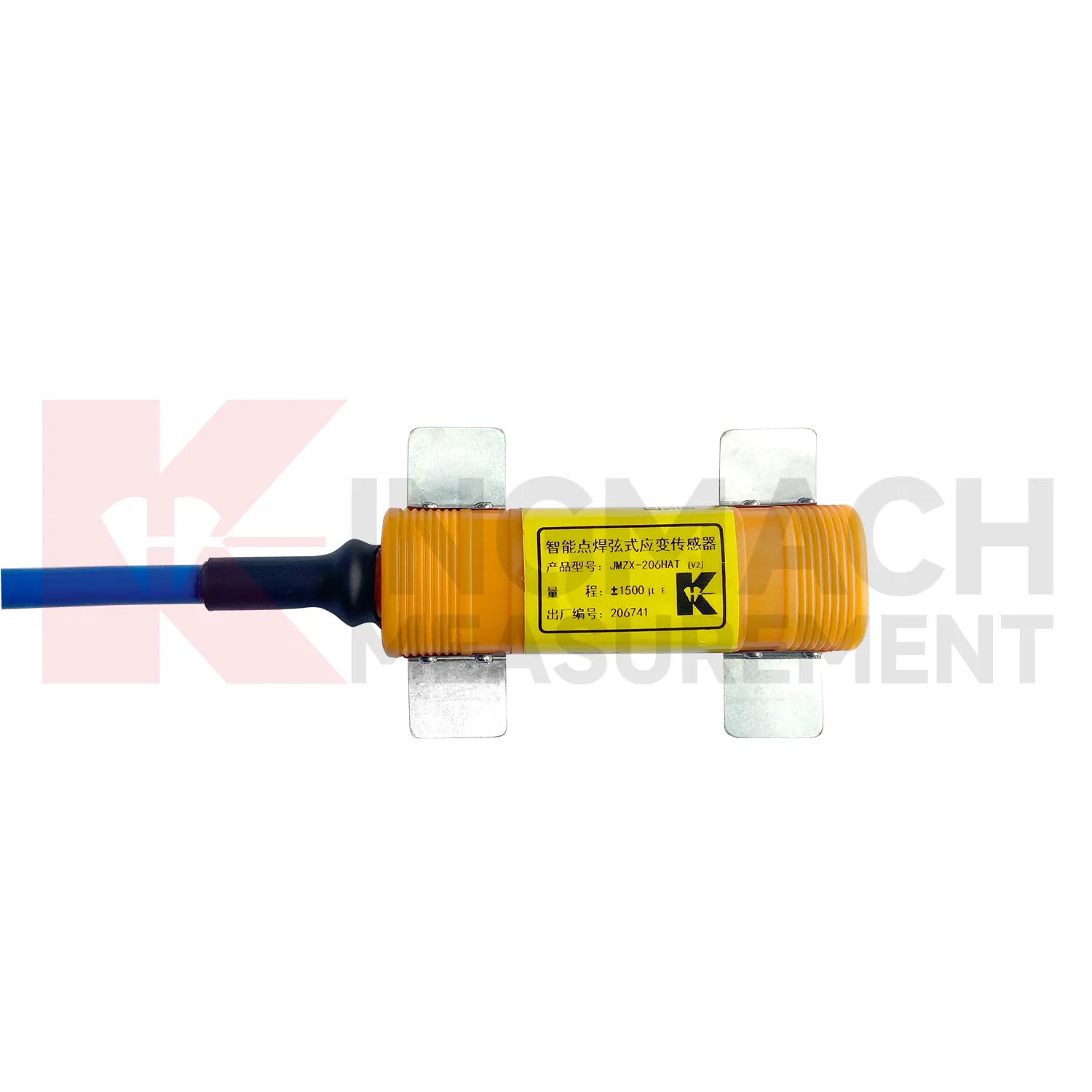
Smart vibrating wire strain gauge (surface welded model) JMZX-206HAT
View Details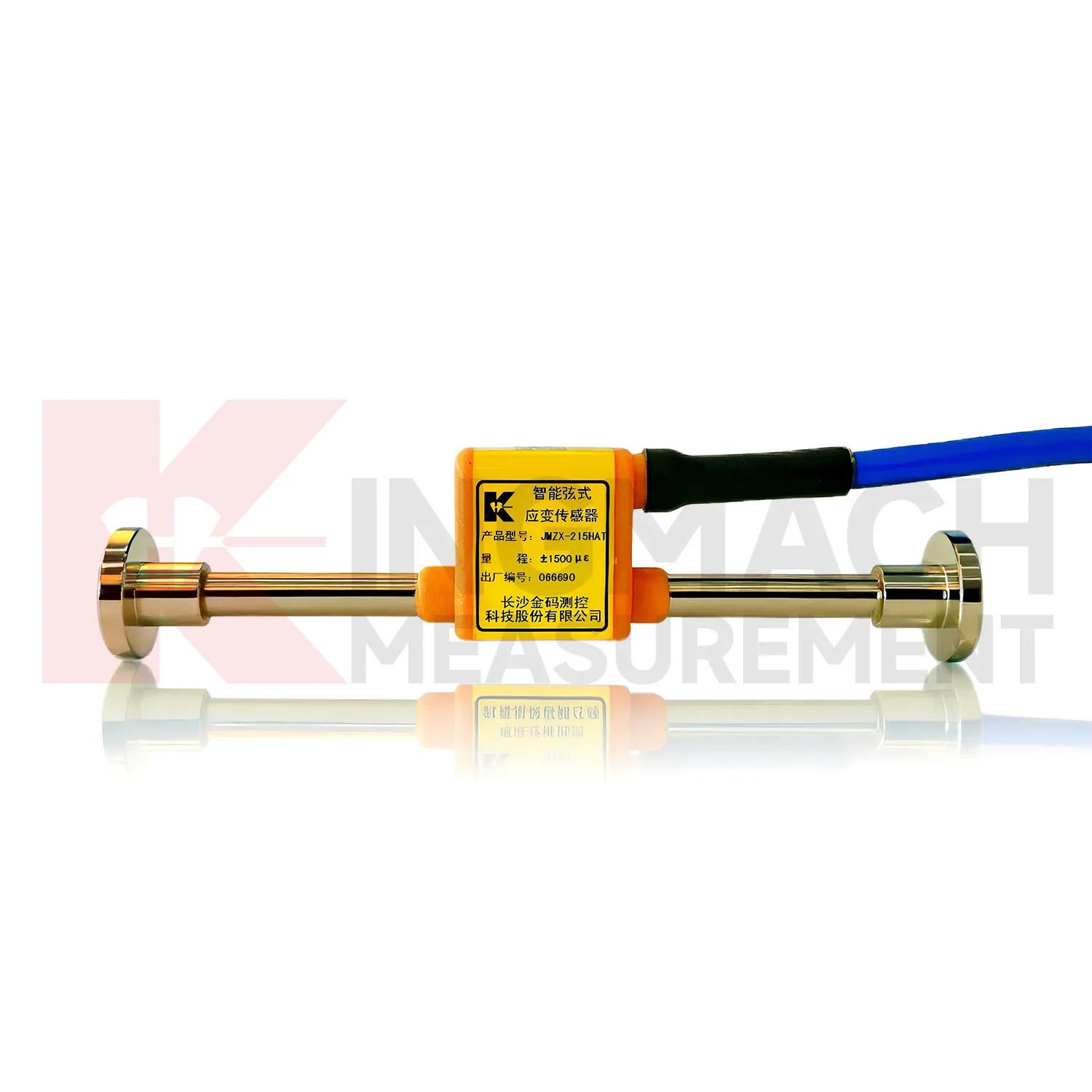
Smart vibrating wire strain gauge (embedment model) JMZX-215HA/215HAT/HB
View DetailsFAQ
It mostly comes down to the balance of accuracy, cost, and environmental conditions. Strain gauge load cells are widely used in geotechnical monitoring because they provide reliable mV/V output which integrates easily with most data loggers. For long-term installation in boreholes or under bridge bearings, we often recommend sealed, temperature-compensated models. If you need a simple digital readout, amplified versions with 4-20mA output can simplify wiring. Kingmach offers both options and can help match the cell to your expected load range and accuracy needs.
Yes, that’s a common request. We routinely modify thread sizes, rod end bearings, or mounting bases to fit existing structural connections. For large orders, we can also adjust cable length, connector type, or even dual bridge configurations. Send us a drawing, and our engineering team will assess feasibility without charge.
Our standard inline load cells often meet C3 class, which translates to about 0.02% linearity error, suitable for many industrial weighing systems. For research or structural monitoring applications that don’t require legal metrology, lower cost accuracy classes are also available. We provide calibration data with each sensor so you can verify performance.
It depends on the modification. Minor changes like connectors or cables can be shipped within 2-3 weeks. Heavier customization, such as a new housing design, may take 5-7 weeks. We can often supply small samples faster for testing. Talk to our sales team with your timeline.
Yes, we have options with hermetic sealing (IP68) and stainless steel construction for submerged or high-humidity environments. For temporary outdoor applications, standard IP65 protection is often enough. Let us know your specific environment, and we’ll recommend the right sealing level without over-engineering the cost.
Share your product type, target capacity, and application requirements. Our team can review the details and recommend a practical next step.
If you are interested in our products or want to become our partner.
Please leave your contact information, our team will contact you as soon as possible.
Mail: [email protected]
Contact Us: +8613808434127
Address: No. 188 Tongzipo West Rd, Changsha, Hunan, China