
 EN
EN
 ar
ar bg
bg hr
hr cs
cs da
da nl
nl fi
fi fr
fr de
de el
el hi
hi it
it ko
ko no
no pl
pl pt
pt ro
ro ru
ru es
es sv
sv tl
tl iw
iw id
id lv
lv lt
lt sr
sr sk
sk sl
sl uk
uk vi
vi et
et hu
hu th
th tr
tr fa
fa ms
ms hy
hy ka
ka ur
ur bn
bn mn
mn ta
ta kk
kk uz
uz ku
ku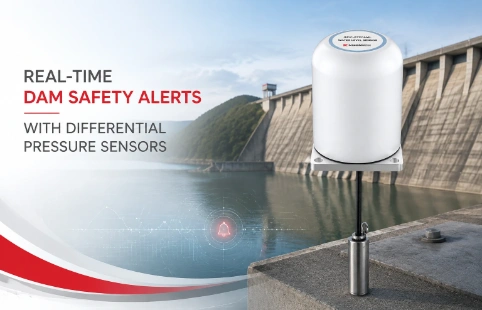
Real-Time Dam Safety Alerts with Differential Pressure Water Level Sensors
Key Takeaways An alert chain needs more than a sensor: define field in...

Reliable Strain Gauge Load Cell Sensors
Every anchor pull-out test or bridge bearing shift depends on a sensor that won't misread under pressure. That's the reality for strain gauge load cell sensors, which translate mechanical strain into a precise electrical signal that engineers trust. At Kingmach, we've built a range of these sensors not just to meet datasheet specs, but to work consistently in wet boreholes, dusty construction sites, and remote automated monitoring networks. Our focus is on making strain measurement straightforward—with standard outputs like mV/V or 4-20mA, rugged housings, and support that helps you choose the right capacity from 50 kg to hundreds of tons. The sensing element itself is a foil strain gauge bonded to a calibrated metal body, but what truly matters is how that design holds up after thousands of load cycles in the field. That's where material selection, temperature compensation, and careful sealing come into play—and where our experience in geotechnical instrumentation makes a difference.
Technical Detail
Inside every Kingmach strain gauge load cell sensor, you'll find a full-bridge strain gauge circuit configured for maximum sensitivity and temperature stability. The sensing element is carefully bonded to a transducer body machined from aerospace-grade alloy steel or 17-4PH stainless steel, depending on the corrosion risk. We offer standard accuracies of 0.05% to 0.1% full scale, with options to hit 0.03% for critical applications. Temperature compensation is tested from -20°C to 70°C as standard, and all sensors meet at least IP67 ingress protection, with IP68 available for submerged monitoring. The output is typically 2.0 mV/V at rated load, and we can integrate amplified versions with 4-20mA, 0-5V, or RS485 digital output. When it comes to installation, the low-profile pancake design fits into tight spaces under rock bolts or behind segmental tunnel linings. Custom cable lengths, connectors, and mounting accessories are all possible because we manufacture in-house and stock many common configurations. Every sensor ships with a full calibration report, and our technical support team can help with everything from wiring diagrams to data logger setup. We also keep a global stock of common capacities so that urgent replacements don't slow down your project. In practice, these sensors end up in applications like tunnel convergence monitoring, pile load testing, retaining wall tie-back force measurement, and structural health monitoring of bridges and dams.
News
Key Takeaways An alert chain needs more than a sensor: define field in...
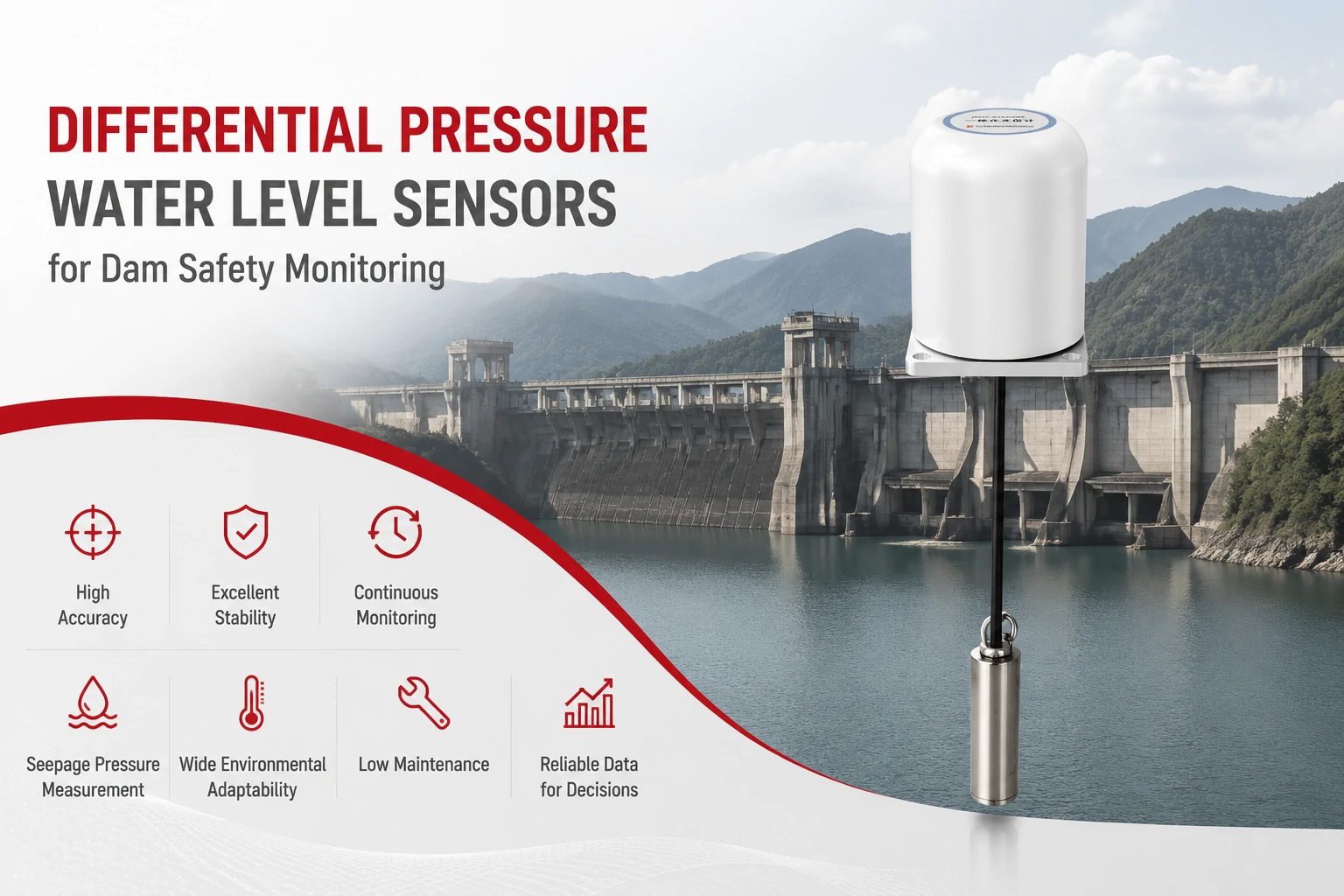
Key Takeaways The strongest fit is usually a confined, submerged, or s...
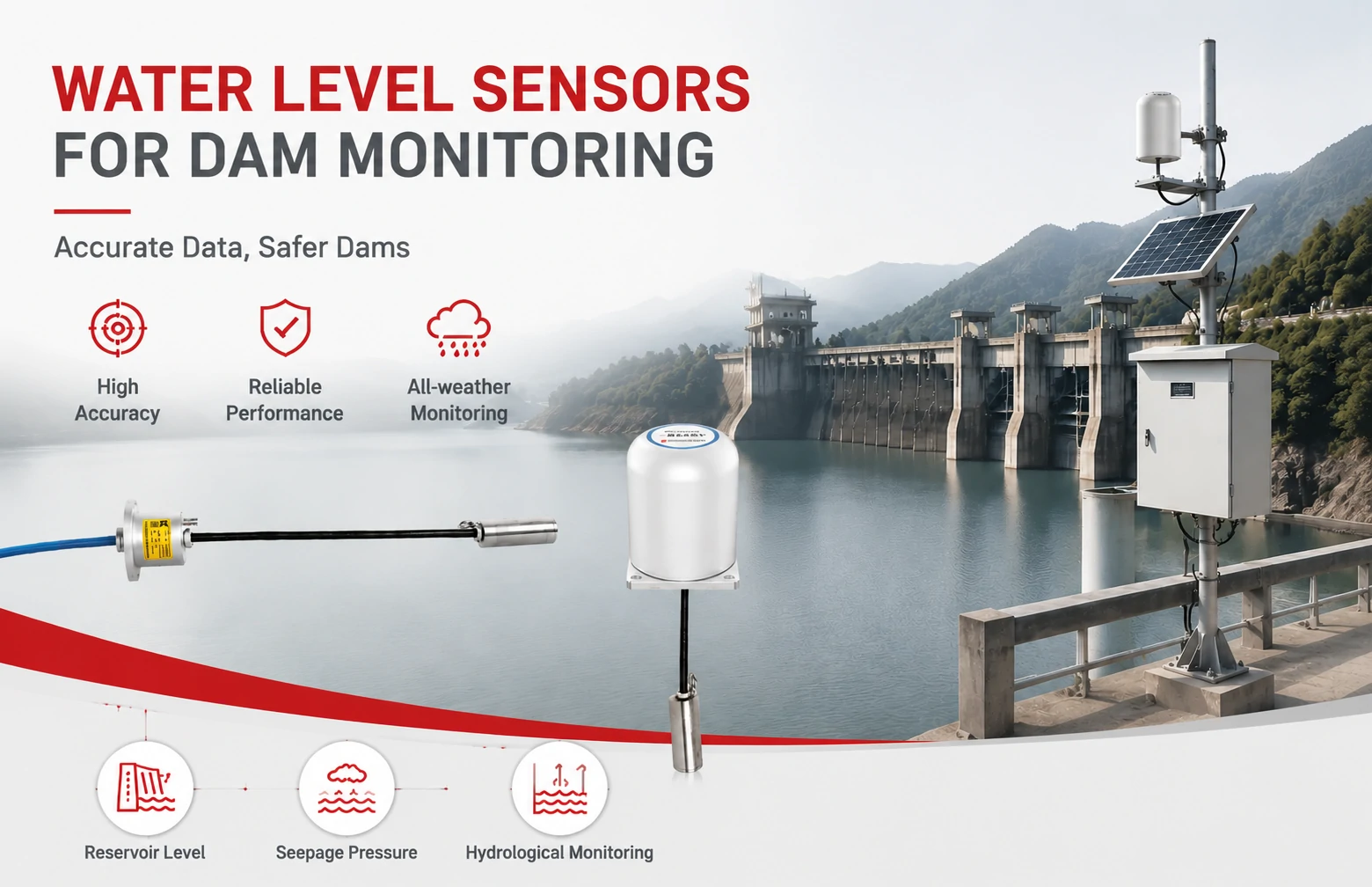
Kingmach Water Level Sensors for Dam Monitoring: A Buyer's Guide to Differential Pre...
Products
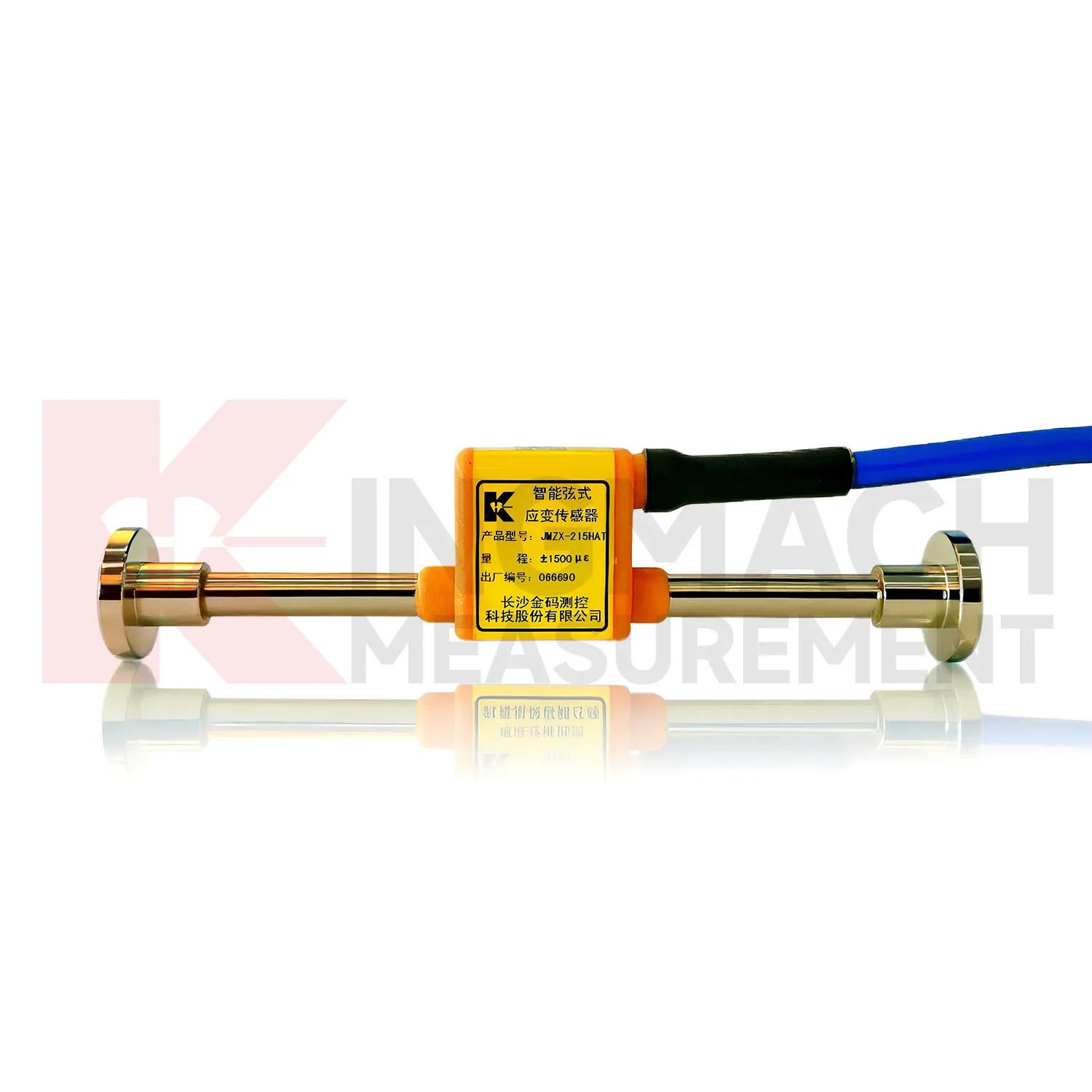
Smart vibrating wire strain gauge (embedment model) JMZX-215HA/215HAT/HB
View Details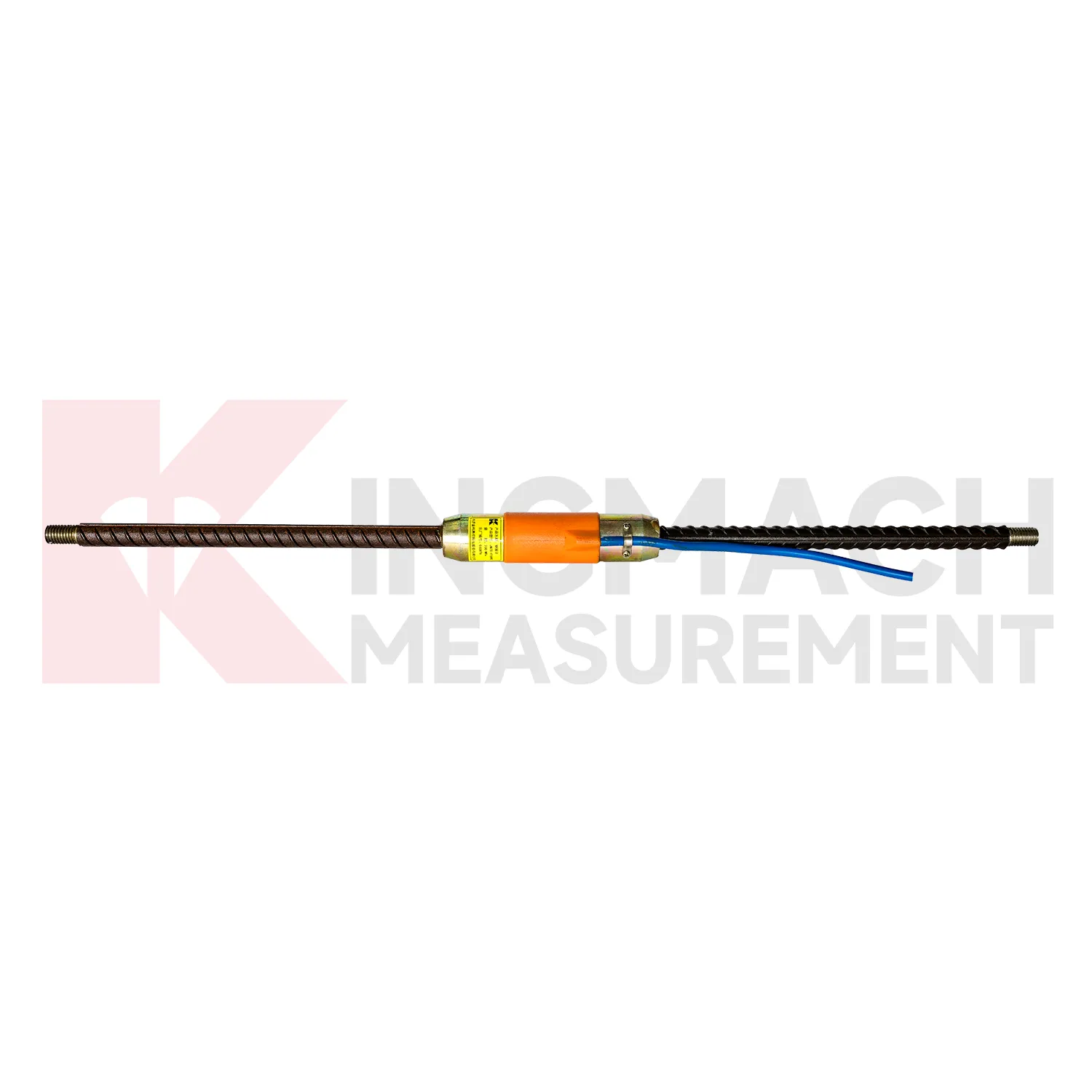
Rebar Strainmeters ( VW & Smart Type) JMZX-4XXHAT/HB
View Details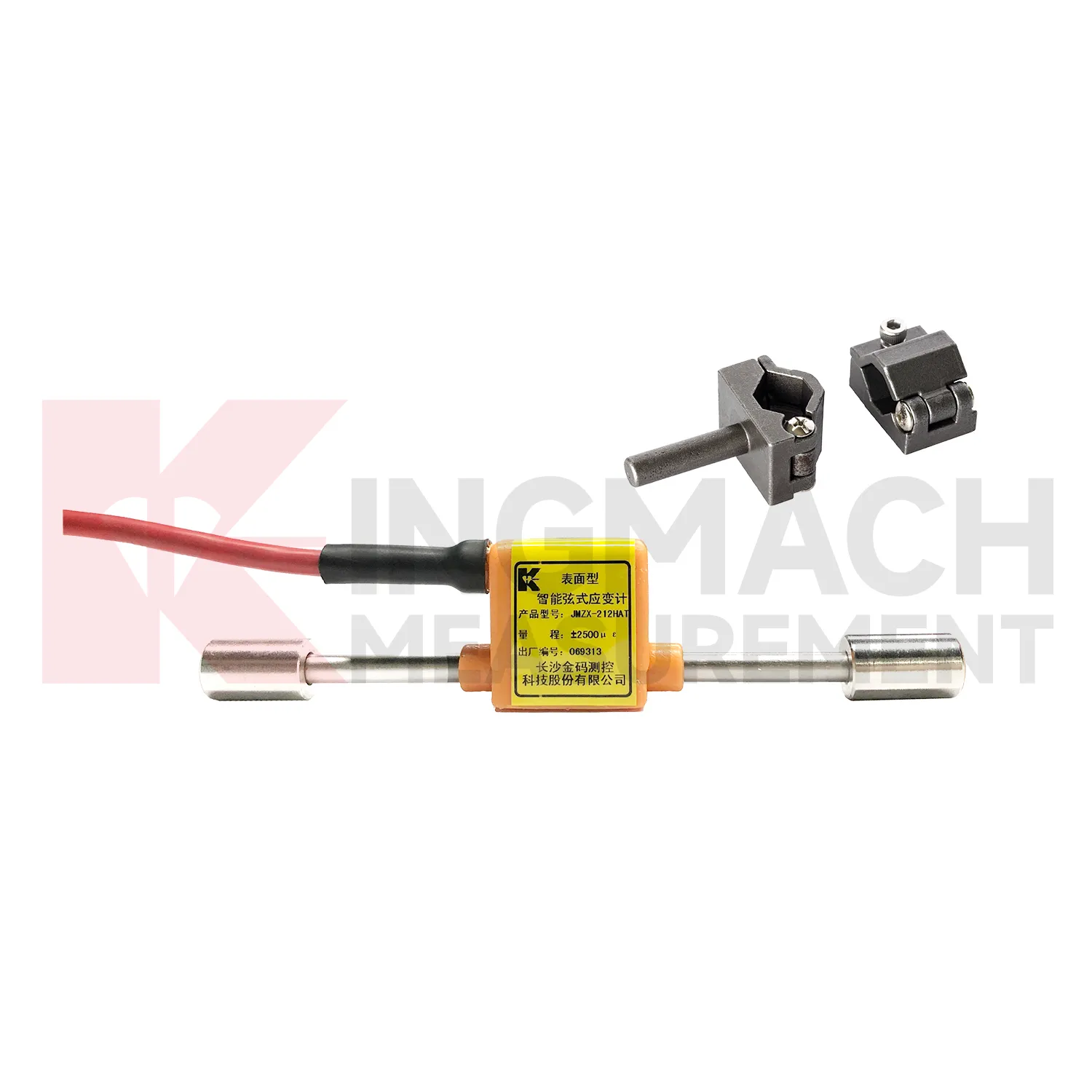
Smart vibrating wire strain gauge (surface model) JMZX-212HAT/HB
View DetailsFAQ
A strain gauge load cell converts force directly into an electrical signal via foil strain gauges bonded to a spring element. Compared to hydraulic cells, they don’t need messy oils and are easier to interface with digital readouts. Vibrating wire cells are often used in geotechnical applications, but strain gauge cells offer faster response and simpler data acquisition. Kingmach’s cells are designed to work well with common logging systems, making them a practical choice for dynamic or long-term monitoring.
Yes. We have a custom engineering team that can adjust the load cell’s measuring range, physical size, cable exit, and mounting details. If you need a pancake load cell with a center hole for an anchor bolt, or a tension link sensor for cable monitoring, just provide your specs. We also do custom output signals or special temperature ranges.
Our standard outputs are mV/V or amplified options like 4-20mA and RS485. Most data loggers and PLCs can read these directly. We provide wiring diagrams and setup guides, and if you’re using a popular geotechnical logger from companies like Campbell Scientific or In-Situ, we can help with the configuration. Many customers just connect through a junction box to their central readout.
Typical accuracy is ±0.1% of full scale, and many of our sensors achieve ±0.05% with careful calibration. Long-term drift is minimal when the sensor is installed correctly and not overloaded. We recommend annual recalibration for critical applications, and we offer that service. The metal body and sealed construction protect the gauge from environmental creep.
Absolutely. We seal our strain gauge load cells to at least IP67, which means they can handle temporary submersion and heavy rain. For submerged applications like underwater anchor monitoring, we have IP68 vented cable options. The stainless steel versions are particularly good for corrosive settings near saltwater or mining chemicals.
Share your product type, target capacity, and application requirements. Our team can review the details and recommend a practical next step.
If you are interested in our products or want to become our partner.
Please leave your contact information, our team will contact you as soon as possible.
Mail: [email protected]
Contact Us: +8613808434127
Address: No. 188 Tongzipo West Rd, Changsha, Hunan, China