
 EN
EN
 ar
ar bg
bg hr
hr cs
cs da
da nl
nl fi
fi fr
fr de
de el
el hi
hi it
it ko
ko no
no pl
pl pt
pt ro
ro ru
ru es
es sv
sv tl
tl iw
iw id
id lv
lv lt
lt sr
sr sk
sk sl
sl uk
uk vi
vi et
et hu
hu th
th tr
tr fa
fa ms
ms hy
hy ka
ka ur
ur bn
bn mn
mn ta
ta kk
kk uz
uz ku
ku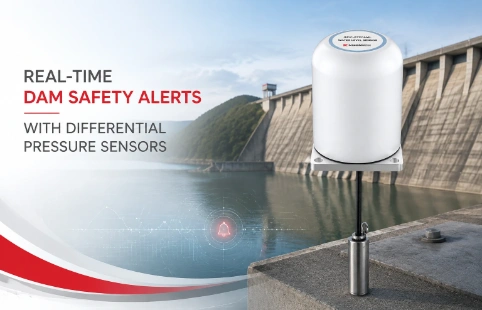
Real-Time Dam Safety Alerts with Differential Pressure Water Level Sensors
Key Takeaways An alert chain needs more than a sensor: define field in...

Resistance Strain Gauge Solutions for Field Monitoring
Placing a strain gauge on a concrete pile or steel strut sounds straightforward—until you deal with moisture, temperature swings, and long cable runs. A resistance strain gauge has to read tiny deformations reliably under those conditions, day after day. Kingmach Measurement & Monitoring Technology Co., Ltd. has spent years refining these sensors for geotechnical and structural monitoring. Instead of pushing catalog parts, they treat each project as a chance to match gauge geometry, resistance value, and backing material to the actual field conditions. Whether it’s a tunnel lining or a deep excavation, the goal is the same: output that drifts as little as possible, install after install. Engineers who use Kingmach gauges often mention two things: the variety of configurations off the shelf, and the openness to customize when standard options don’t fit. That practical mindset comes from being a specialized manufacturer, not just a reseller. From quarter-bridge to full-bridge setups, the portfolio includes foil and wire gauges with polyimide or phenolic-glass backings, covering most civil engineering needs.
Technical Detail
Kingmach designs its resistance strain gauges to survive field conditions where lab precision is not optional. That shows up in the choice of sensitive grids: Constantan foil for general-purpose static measurements, Karma alloy when long-term stability and self-temperature-compensation matter, and annealed Constantan for dynamic applications. Backings range from flexible polyimide for curved surfaces to glass-fiber-reinforced phenolic for rugged embedment in concrete. Gauge lengths available from as short as 1 mm for point measurements to 100 mm for heterogeneous materials like mass concrete. This range makes it simpler to find a gauge that matches the aggregate size, the bond line thickness, and the expected strain gradient—without overspending on features you don’t need. For waterproofing, many gauges come with pre-attached leadwires and encapsulation options rated for immersion or high humidity. Kingmach also stocks a full set of accessories: bonding adhesives, protective coatings, terminal pads, and dummy gauges for temperature compensation—everything that turns a bare gauge into a working instrumentation chain. If a project calls for a non-standard resistance (e.g., 350 Ω instead of 120 Ω) or a special pattern for a transducer, Kingmach’s engineering team does custom layouts in small batches, which is uncommon at the mid-range price point. Their network of global distributors means support is available in local time zones, and each gauge ships with a calibration sheet traceable to national standards. That combination of choice, customization, and practical support has put Kingmach gauges on bridges, tunnels, mine shafts, and deep foundations across dozens of countries.
News
Key Takeaways An alert chain needs more than a sensor: define field in...
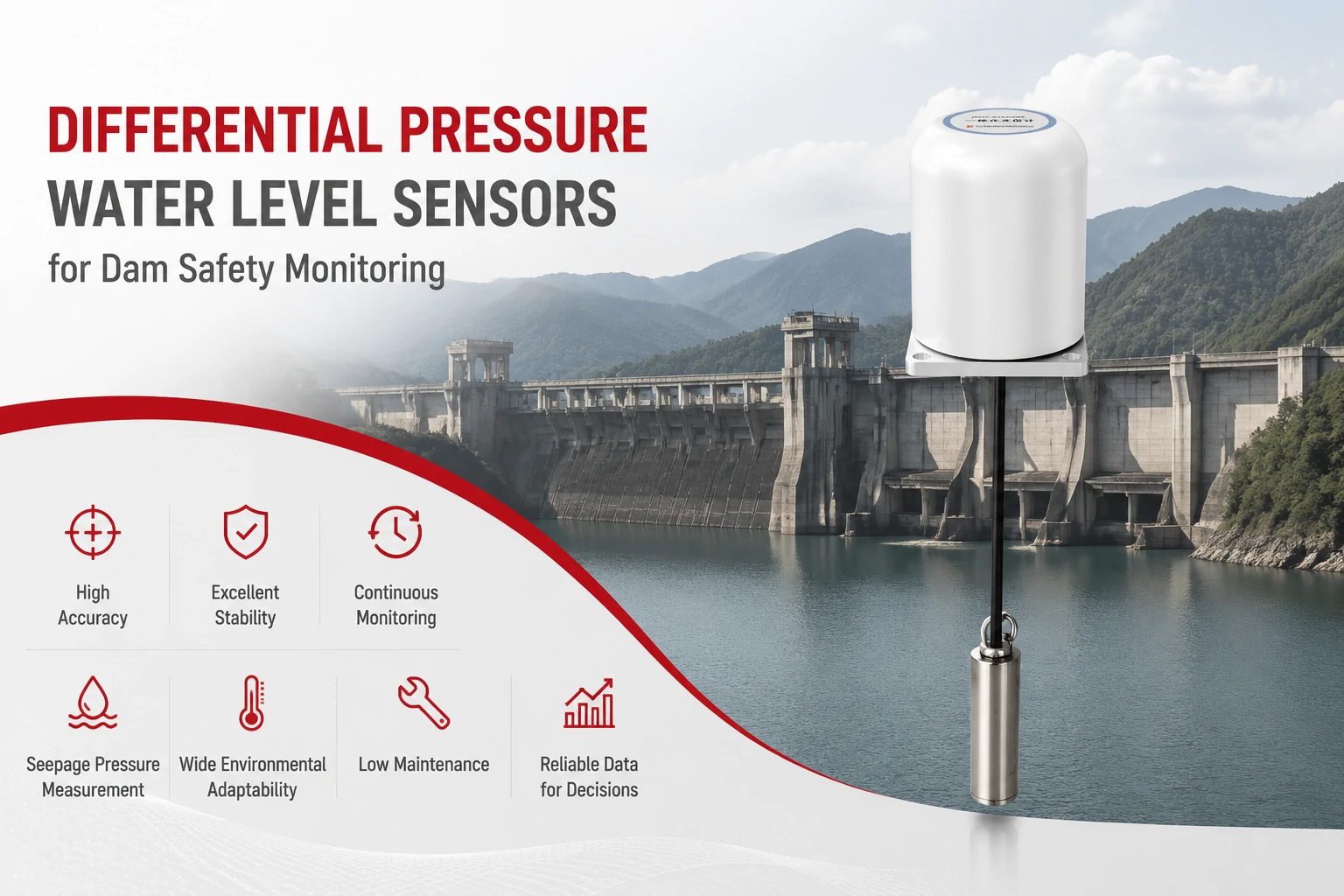
Key Takeaways The strongest fit is usually a confined, submerged, or s...
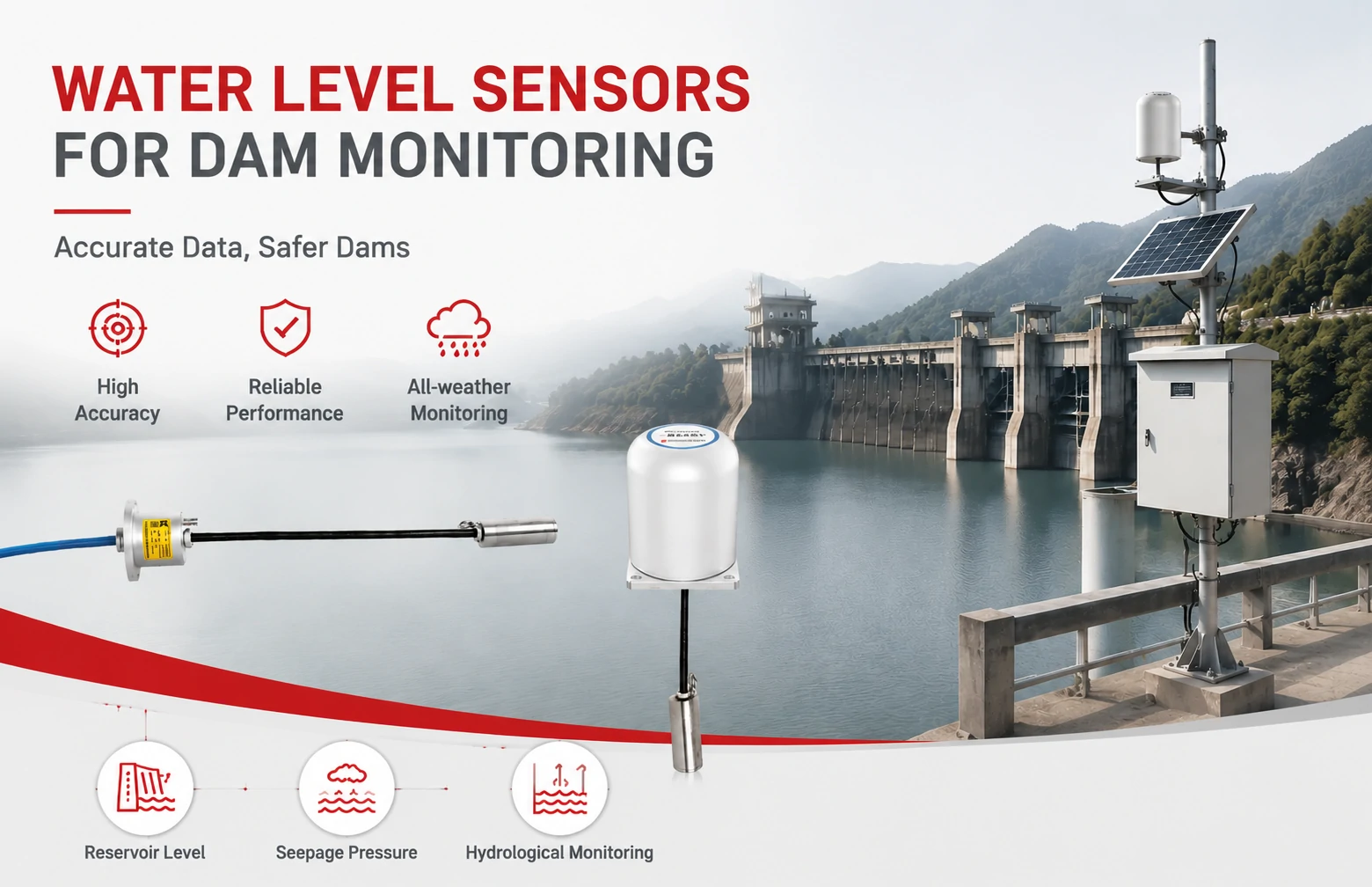
Kingmach Water Level Sensors for Dam Monitoring: A Buyer's Guide to Differential Pre...
Products
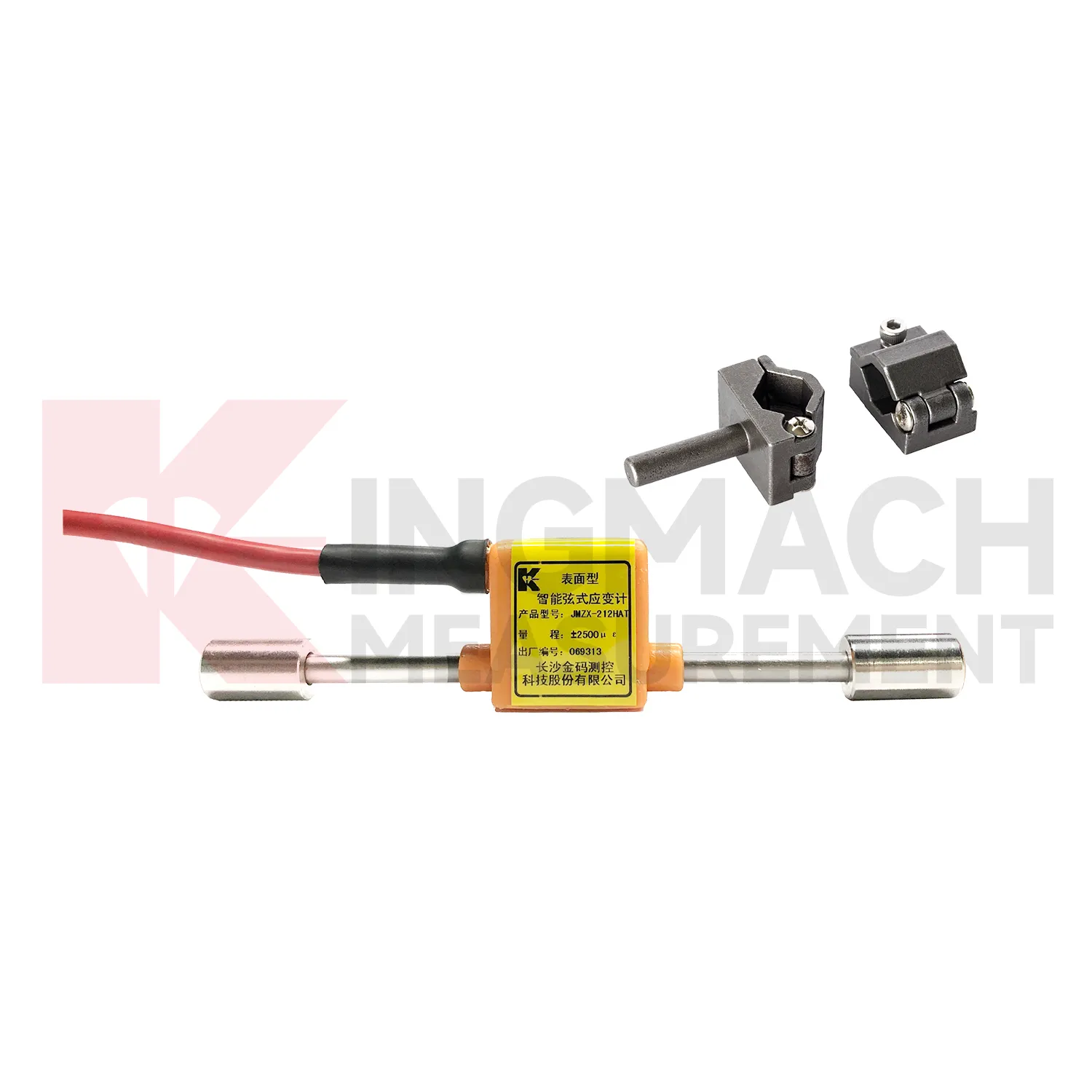
Smart vibrating wire strain gauge (surface model) JMZX-212HAT/HB
View Details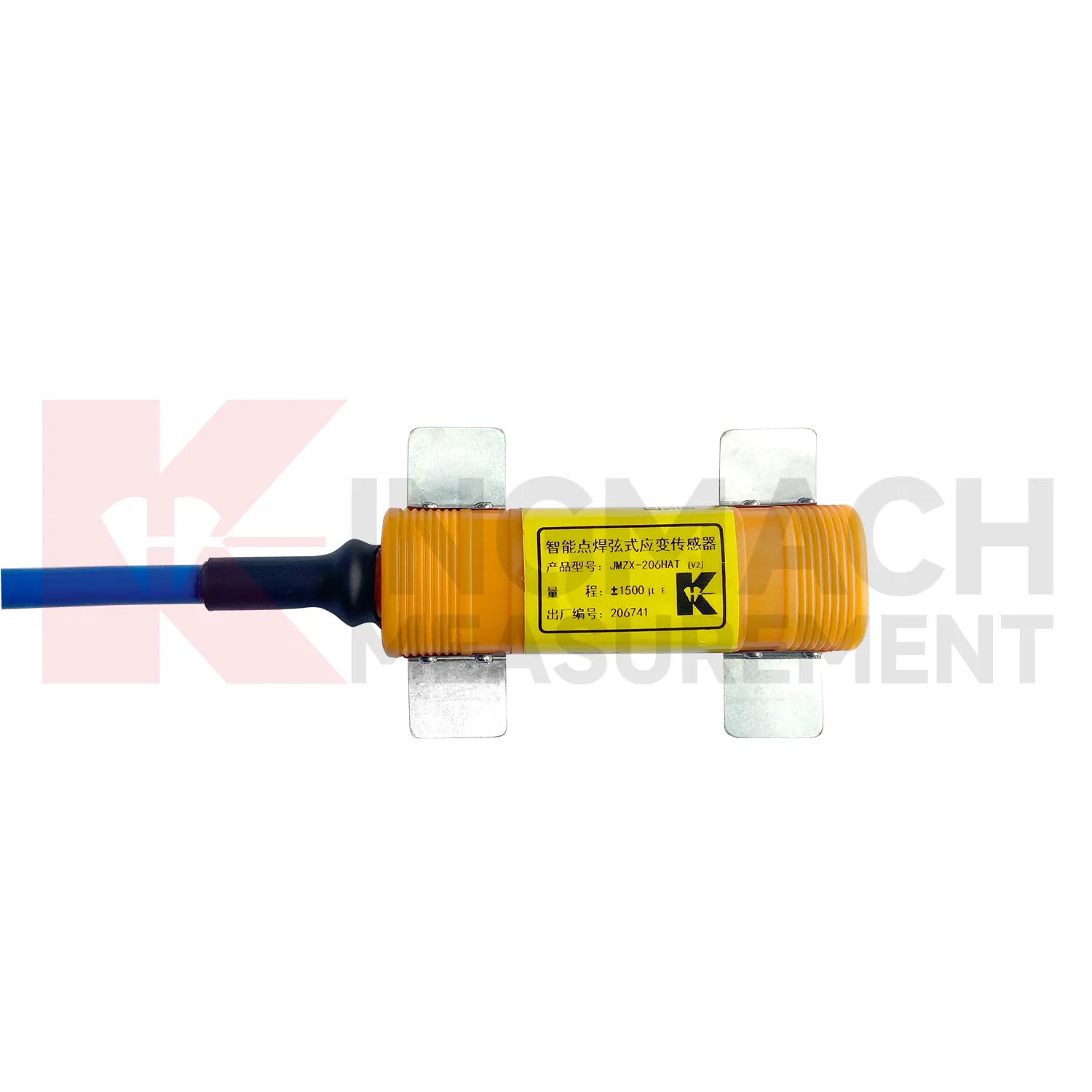
Smart vibrating wire strain gauge (surface welded model) JMZX-206HAT
View Details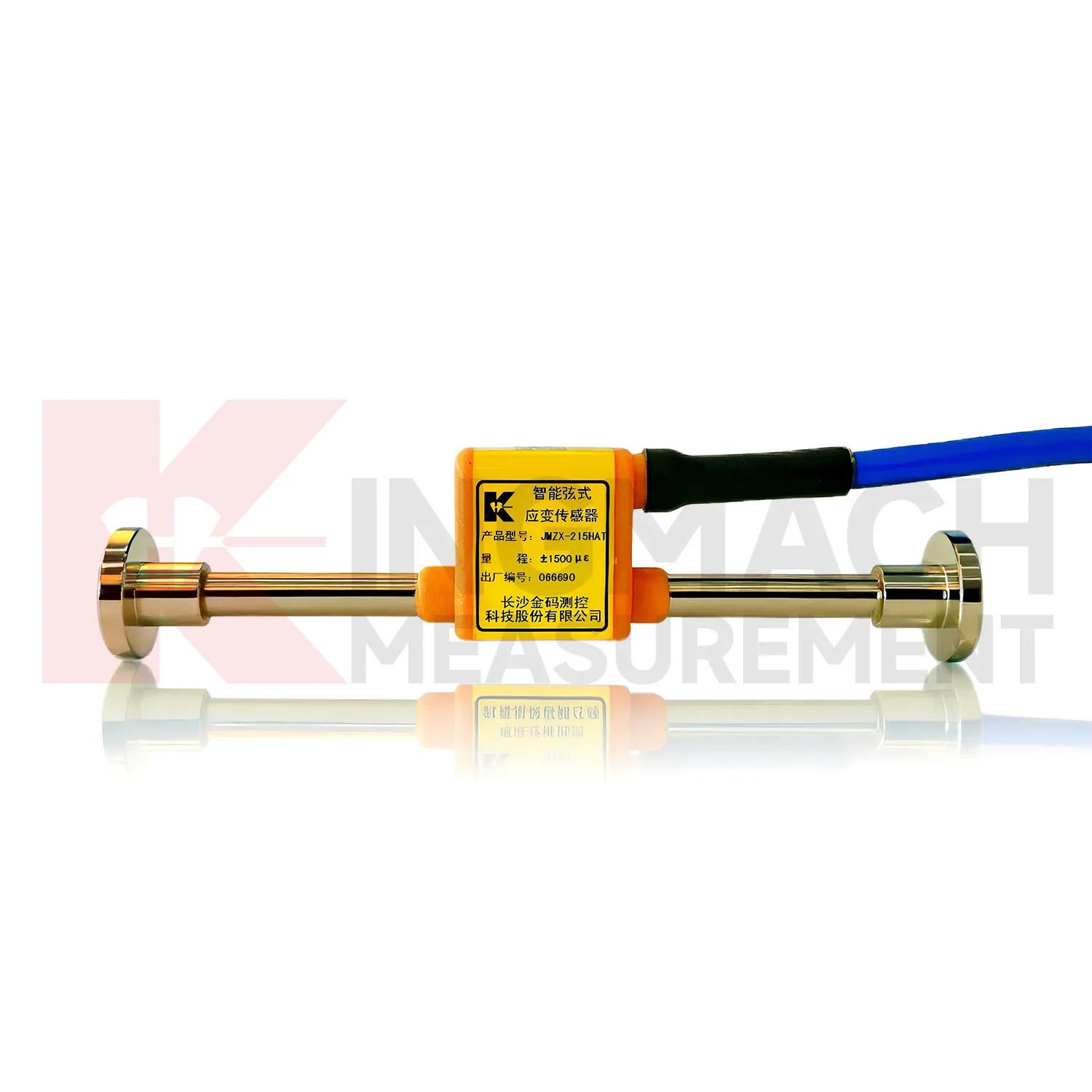
Smart vibrating wire strain gauge (embedment model) JMZX-215HA/215HAT/HB
View DetailsFAQ
It depends on the surface and environment. Polyimide is flexible and works on curved steel or composite parts. Phenolic-glass is stiff and handles higher temperatures, often used in concrete embedment or load cells. If moisture is a concern, look for gauges with an encapsulation layer, or plan to add a protective coating after bonding. Kingmach’s datasheets list the temperature range and elongation limit for each backing, so you can match it to your specific conditions. For unusual surfaces or combined requirements, their support team can suggest a configuration.
Share your product type, target capacity, and application requirements. Our team can review the details and recommend a practical next step.
If you are interested in our products or want to become our partner.
Please leave your contact information, our team will contact you as soon as possible.
Mail: [email protected]
Contact Us: +8613808434127
Address: No. 188 Tongzipo West Rd, Changsha, Hunan, China