
 EN
EN
 ar
ar bg
bg hr
hr cs
cs da
da nl
nl fi
fi fr
fr de
de el
el hi
hi it
it ko
ko no
no pl
pl pt
pt ro
ro ru
ru es
es sv
sv tl
tl iw
iw id
id lv
lv lt
lt sr
sr sk
sk sl
sl uk
uk vi
vi et
et hu
hu th
th tr
tr fa
fa ms
ms hy
hy ka
ka ur
ur bn
bn mn
mn ta
ta kk
kk uz
uz ku
ku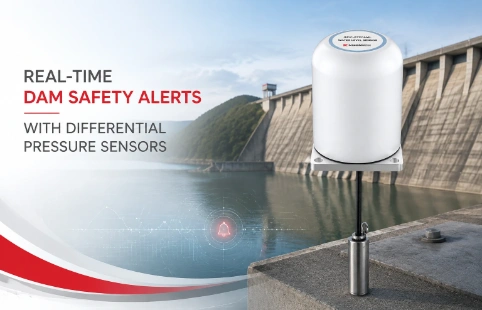
Real-Time Dam Safety Alerts with Differential Pressure Water Level Sensors
Key Takeaways An alert chain needs more than a sensor: define field in...

Load Cell Applications in Geotechnical Engineering
In a recent deep excavation project, a series of load cells installed on steel struts provided the only direct window into shifting ground pressures. The data they sent back influenced every decision, from when to tension anchors to how quickly to backfill. That is the quiet role load cells play in geotechnical work: not glamorous, but indispensable. Kingmach has been supplying instruments for these scenarios for years, offering configurations that handle everything from anchor force monitoring to pile testing. This guide walks through where and how these sensors fit into real jobs, with practical notes on selection and installation gleaned from field experience.
Technical Detail
In geotechnical practice, a load cell is rarely a standalone component. It is integrated into an anchor head, sandwiched between bearing plates in a strut, or embedded in concrete to measure stress. The application drives not just the sensor type but also the way it is mounted, protected, and read. Kingmach manufactures both vibrating wire and strain gauge load cells, covering ranges from a few kN for tieback anchors to several MN for rock bolts. The vibrating wire sensors are common in long-term monitoring because of their inherent stability and resistance to electrical noise, while strain gauge types offer faster response for dynamic checks like pile load tests. Environmental protection is a key design factor. Our standard load cells use stainless steel bodies and sealing that withstands immersion and aggressive soils. For special projects, we have customized cable exit locations, connector types, and even integrated temperature sensors for more precise correction. On the data side, compatibility with most automatic data loggers and manual readout units is straightforward. We provide wiring diagrams and setup notes, and our technical team can walk site crews through the first installation remotely. Support does not end at delivery; we also help interpret initial readings and spot potential zero-drift issues before they affect decision-making. With distribution partners in over 20 countries, lead times for standard models are short, and custom orders are quoted within days. The goal is to make load cells a predictable part of the monitoring plan, not a source of uncertainty.
News
Key Takeaways An alert chain needs more than a sensor: define field in...
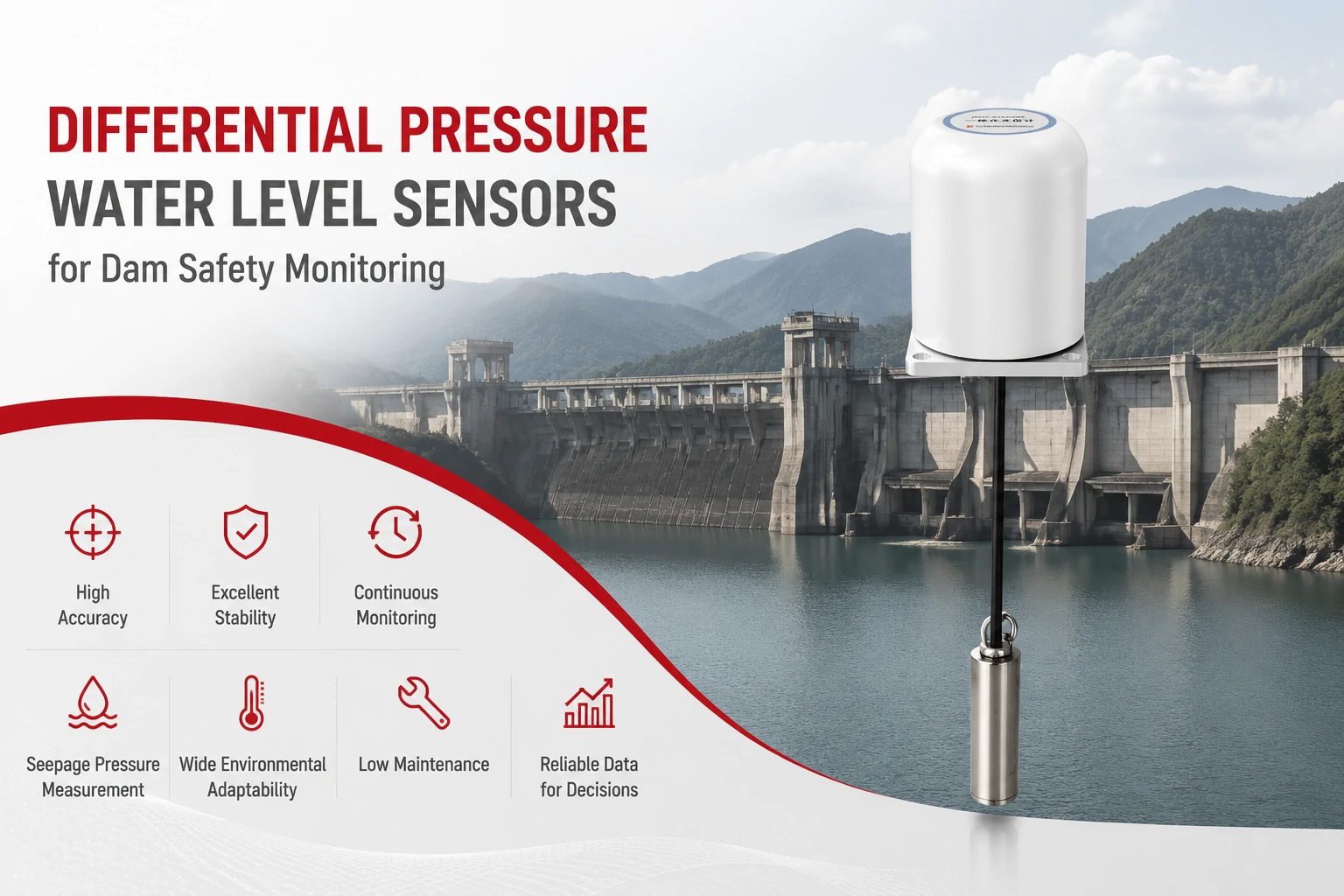
Key Takeaways The strongest fit is usually a confined, submerged, or s...
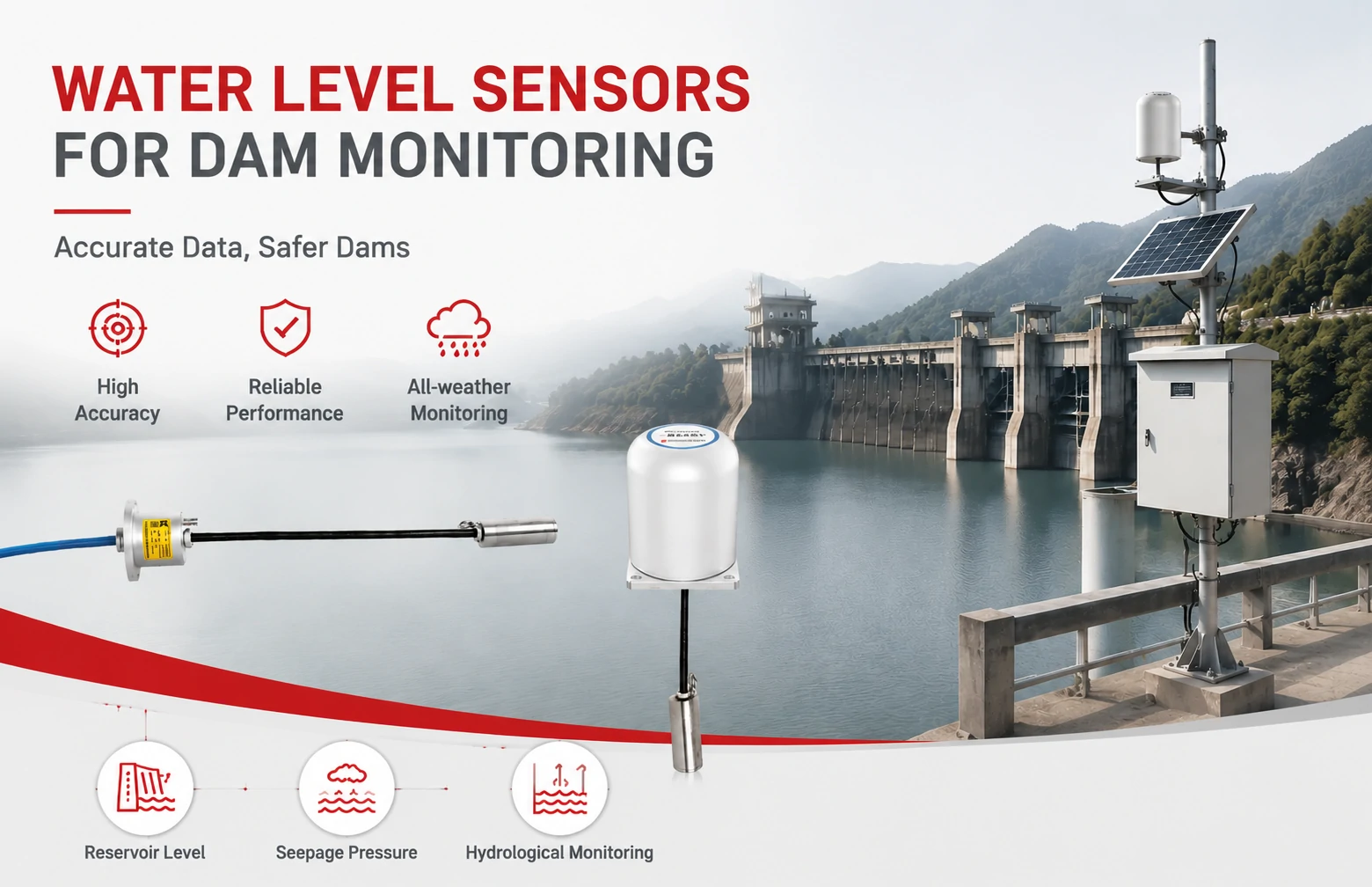
Kingmach Water Level Sensors for Dam Monitoring: A Buyer's Guide to Differential Pre...
Products
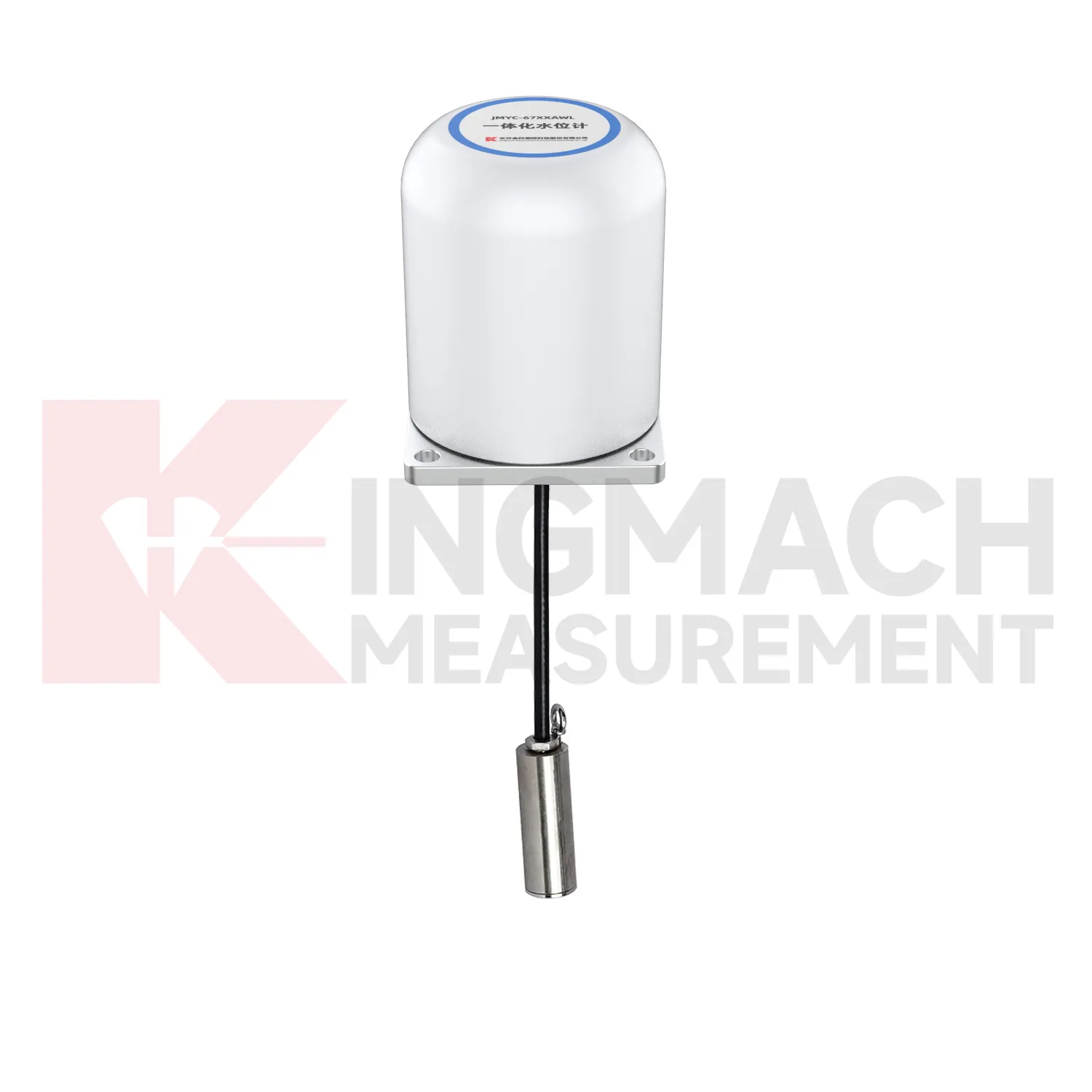
Integrated Wide-Range Differential Pressure Water Level Meter JMYC-67XXAWL
View Details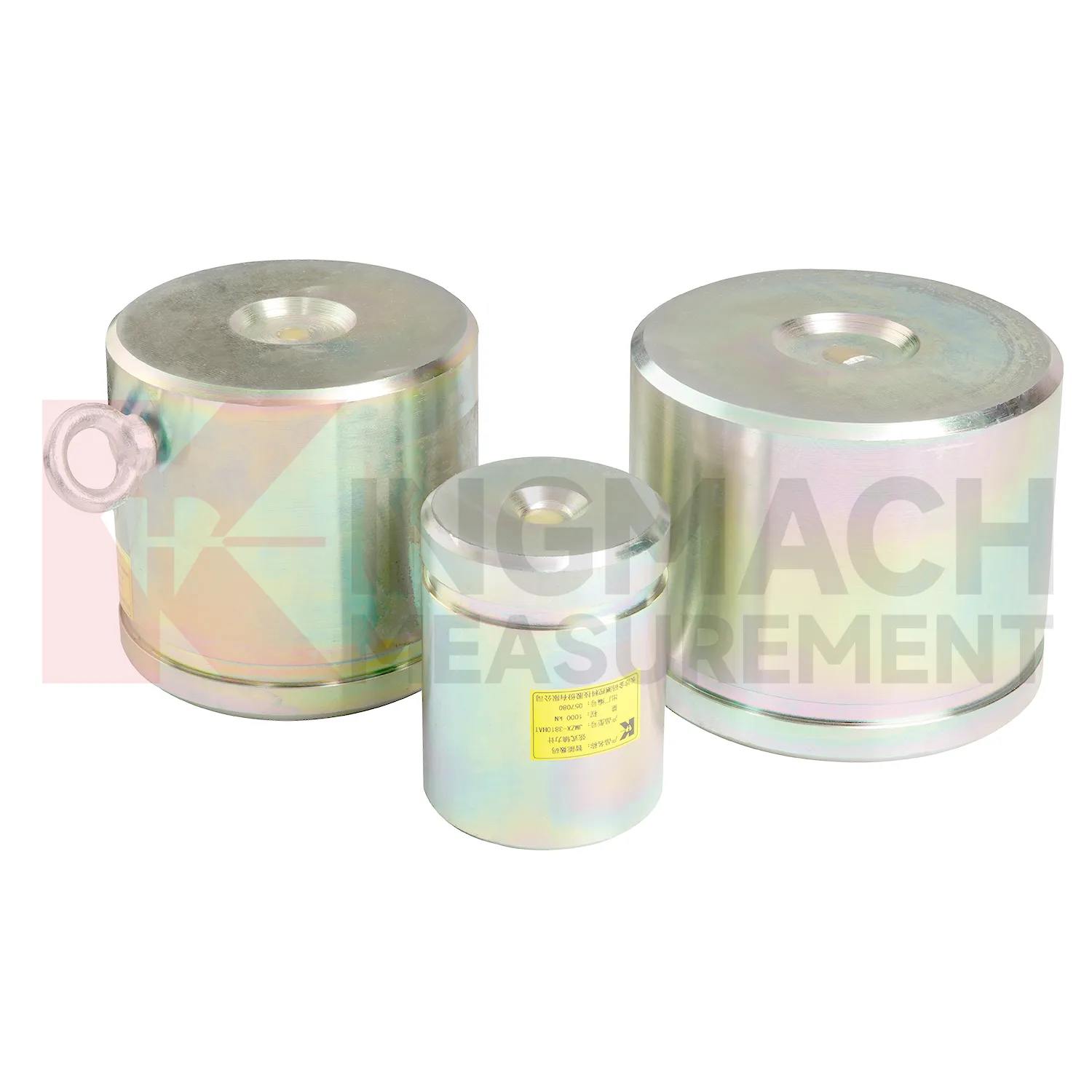
Axial Force Load Meter ( VW & Smart Type)JMZX-38XXHAT
View Details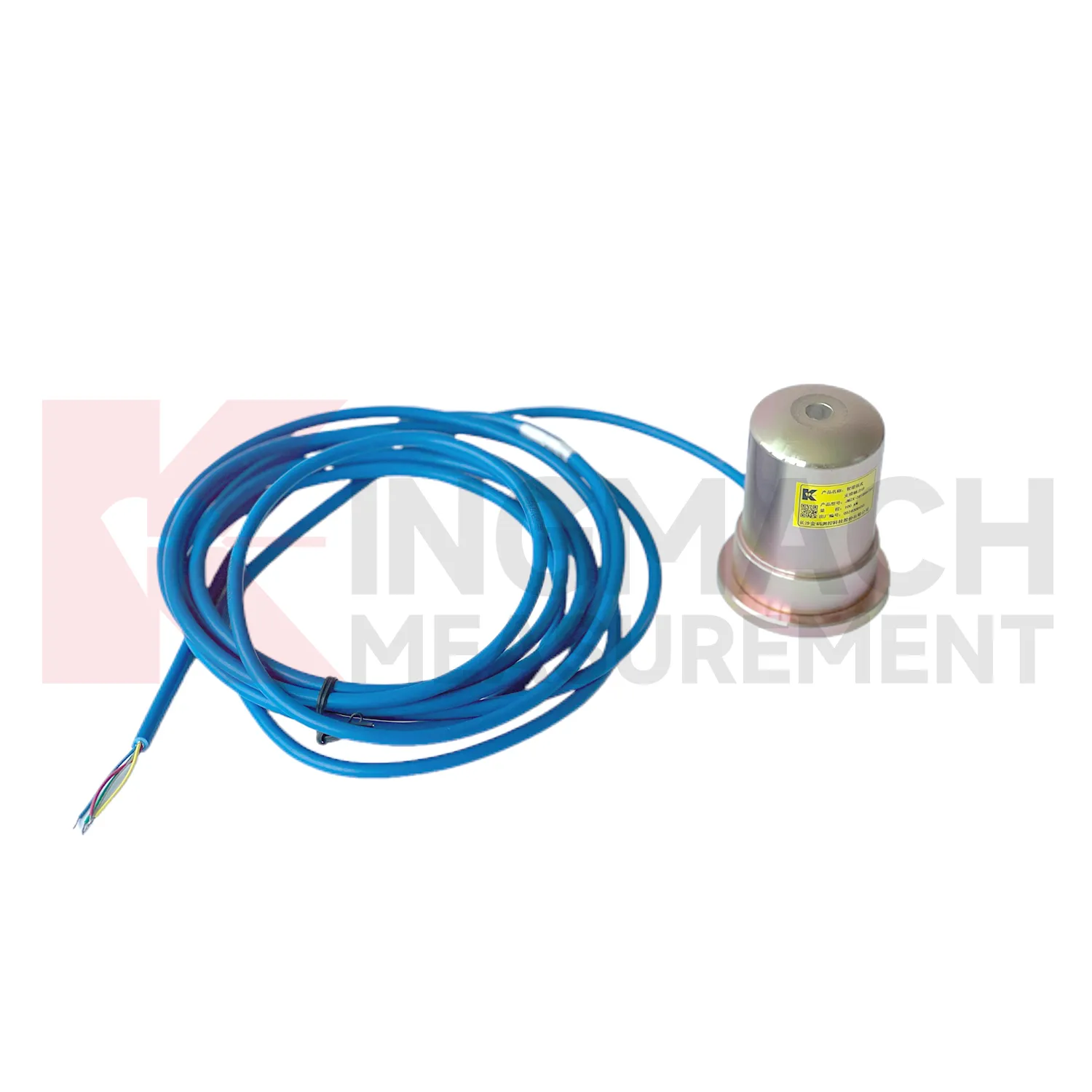
Smart Formwork Axial Force Meter(VW)JMZX-39XXHAT
View DetailsFAQ
Start with the maximum design load of the strut, then add a safety margin. A common rule is to select a cell rated at least 1.5 times the anticipated maximum load. Kingmach engineers can review your loading plans and suggest a range that balances sensitivity and overload protection.
Almost certainly. Our vibrating wire models output frequency and temperature that any VW-compatible logger can handle. Strain gauge types come with mV/V, 4-20 mA, or voltage outputs. If you have a particular logger in mind, we can confirm wiring and excitation requirements before you order.
The stainless steel construction and hermetic sealing are designed for exactly that. Our vibrating wire cells typically show drift of less than 0.5% FS per year when properly installed. We recommend periodic unloaded readings to track any zero shift, and calibration check intervals can be extended once baseline behavior is established.
Yes, that is a standard request. We adjust dimensions, central hole diameter, and cable routing to fit. Send us a sketch or the anchor manufacturer's drawing, and we will propose a design. The engineering does not add significant lead time.
For dynamic events, we recommend strain gauge cells with a high sampling rate. Vibrating wire sensors are inherently slow and meant for static or slowly varying loads. We can discuss the frequency content of your expected signal and match the right technology.
Share your product type, target capacity, and application requirements. Our team can review the details and recommend a practical next step.
If you are interested in our products or want to become our partner.
Please leave your contact information, our team will contact you as soon as possible.
Mail: [email protected]
Contact Us: +8613808434127
Address: No. 188 Tongzipo West Rd, Changsha, Hunan, China