
 EN
EN
 ar
ar bg
bg hr
hr cs
cs da
da nl
nl fi
fi fr
fr de
de el
el hi
hi it
it ko
ko no
no pl
pl pt
pt ro
ro ru
ru es
es sv
sv tl
tl iw
iw id
id lv
lv lt
lt sr
sr sk
sk sl
sl uk
uk vi
vi et
et hu
hu th
th tr
tr fa
fa ms
ms hy
hy ka
ka ur
ur bn
bn mn
mn ta
ta kk
kk uz
uz ku
ku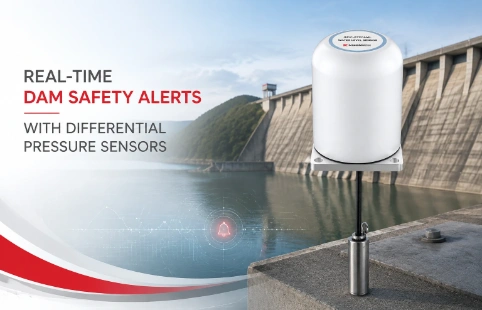
Real-Time Dam Safety Alerts with Differential Pressure Water Level Sensors
Key Takeaways An alert chain needs more than a sensor: define field in...

How Force Transducer Load Cells Fit into Monitoring Projects
When a monitoring project calls for measuring tension or compression in anchors, rock bolts, or structural members, the load cell often becomes the quiet workhorse. Kingmach has been supplying these sensors as part of a broader geotechnical instrumentation lineup for years. The force transducer load cells aren‘t catalog items with fixed specs — they’re typically built around the client‘s capacity, dimension, and output requirements. That flexibility matters because the same basic sensing principle might end up underwater in a dam, buried behind a retaining wall, or clamped onto a cable stay.
Technical Detail
The operating principle is straightforward but worth a closer look. Inside each Kingmach force transducer load cell, strain gauges are bonded to a high-strength alloy steel element. Load applied to the cell deforms the element, changing the electrical resistance in the gauge bridge. The output — usually mV/V or 4–20 mA — gets read by dataloggers or portable indicators. Temperature compensation and waterproofing to IP68 are standard, but the real engineering work often involves adapting the end fittings and centering spherical seats to suit site conditions. Some projects need high-frequency sampling for dynamic forces, while others just need a stable reading once a week. Customizations like built-in surge protection or integrated thermistors for temperature correction show up routinely in Kingmach’s build sheets. Applications tend to fall into three buckets: structural health monitoring (like bridge bearings and tunnel linings), geotechnical testing (pull-out tests on ground anchors), and industrial weighing or process control. What separates these from off-the-shelf sensors is the documentation package: calibration certificates traceable to national standards, wiring diagrams matched to the client’s data acquisition setup, and a manual that acknowledges the physical environment — dust, moisture, vibration — rather than pretending it’s a lab. Mid-range pricing keeps these accessible for midsize contractors and integrators who don’t need aerospace-grade specifications but can’t afford unreliable readings.
News
Key Takeaways An alert chain needs more than a sensor: define field in...
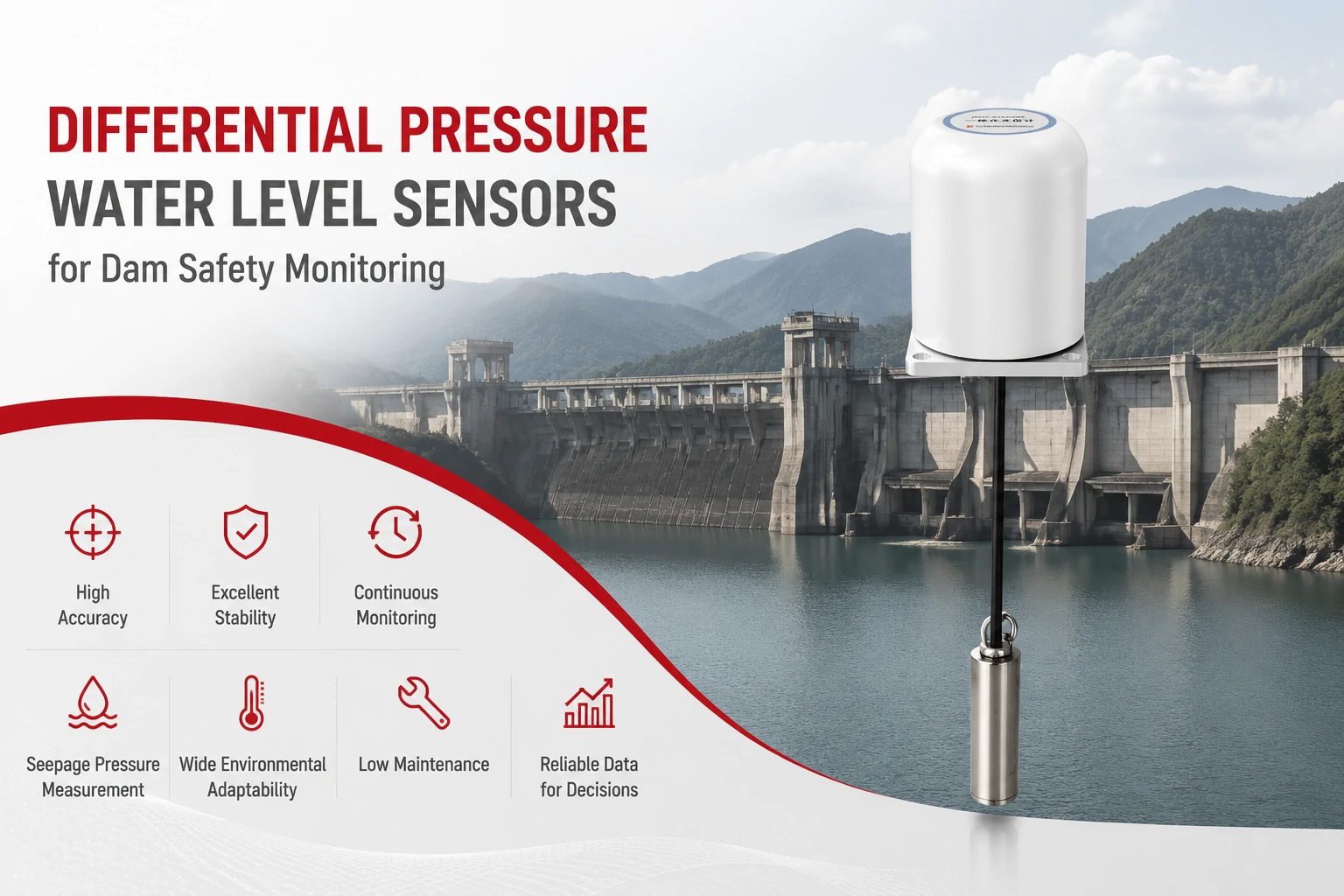
Key Takeaways The strongest fit is usually a confined, submerged, or s...
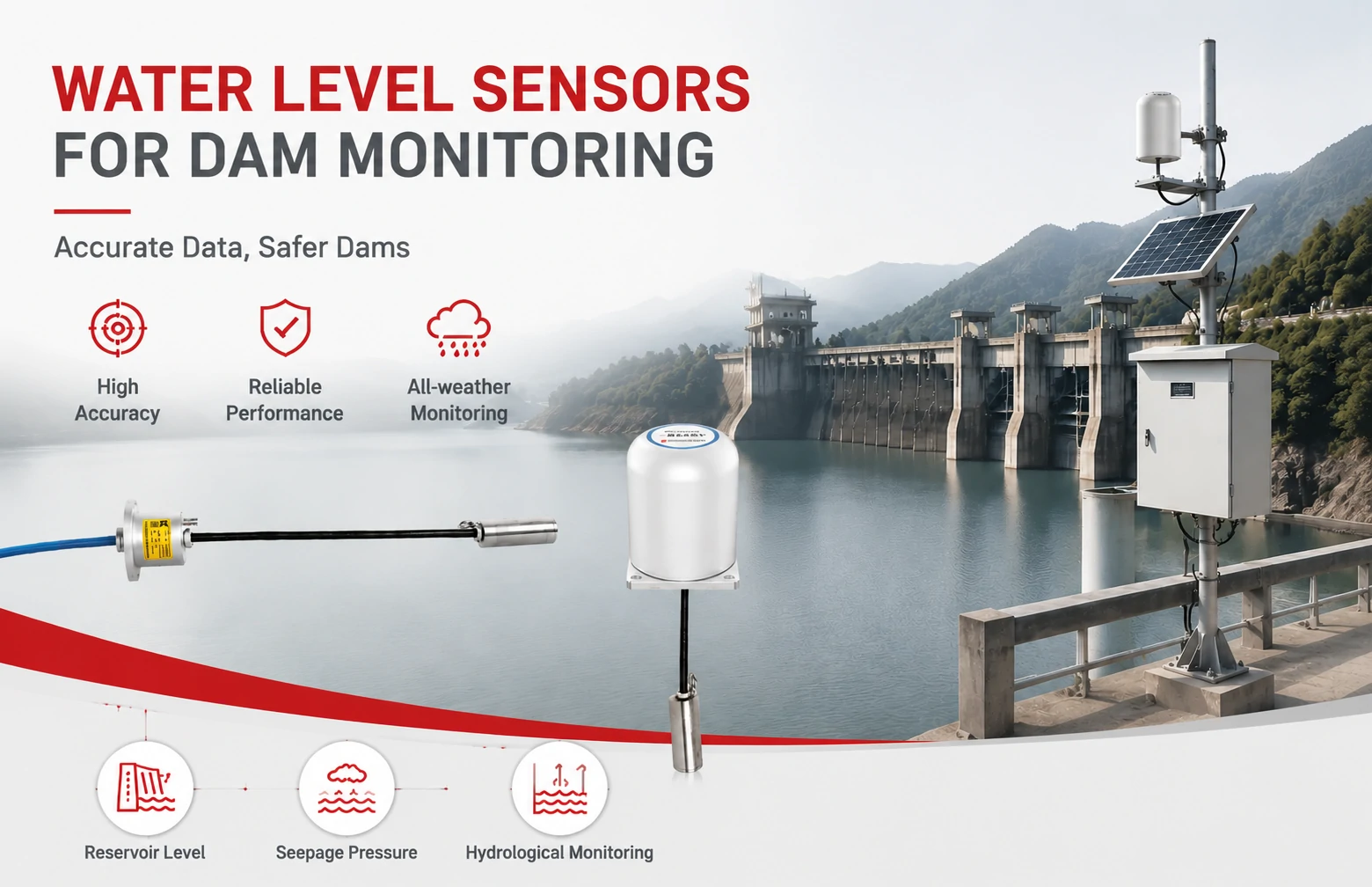
Kingmach Water Level Sensors for Dam Monitoring: A Buyer's Guide to Differential Pre...
Products
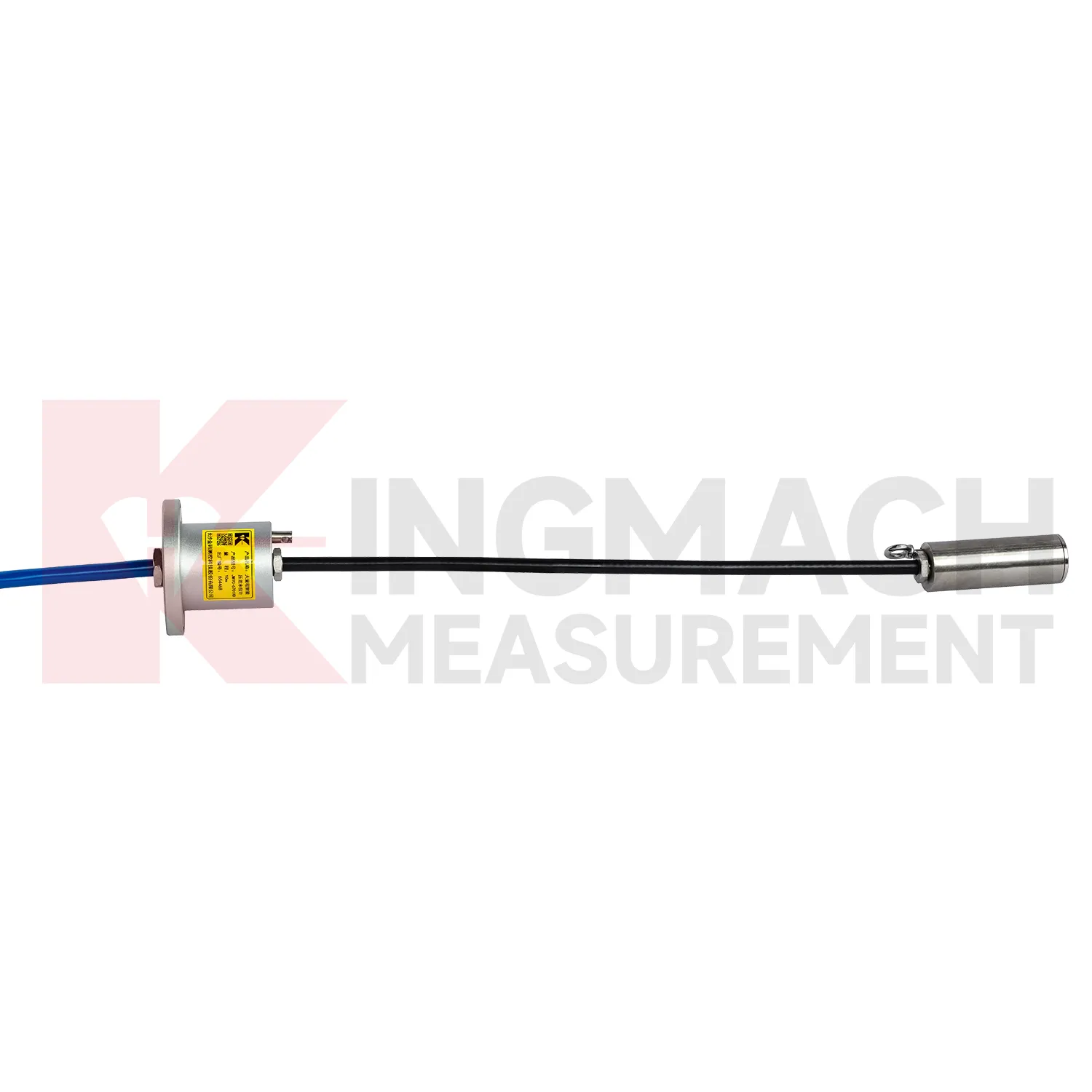
Wide-Range Smart Differential Pressure Water Level Meter JMYC-67XXAD
View Details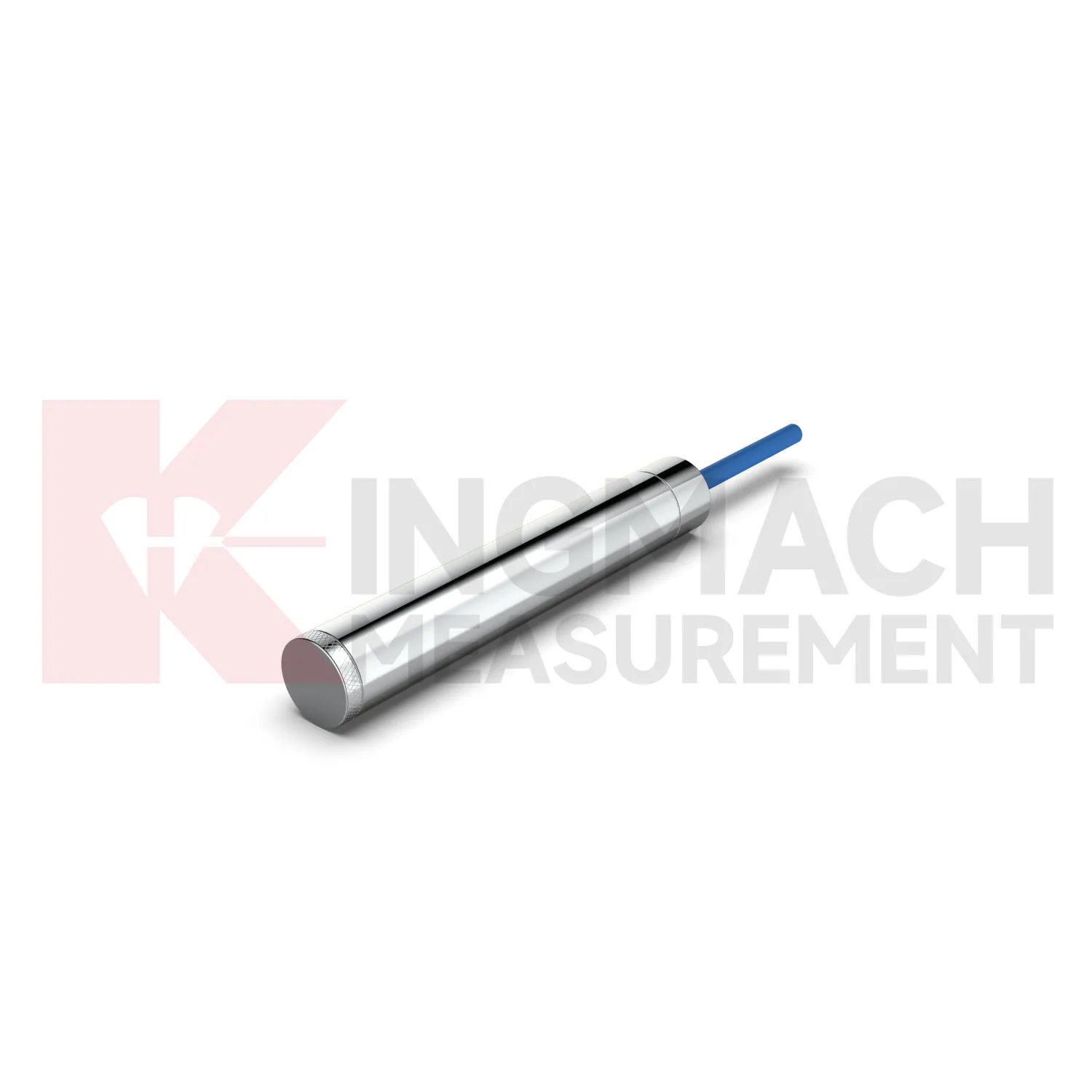
Smart Vibrating Wire PiezometerSmart Piezometers (VW) JMZX-55XXHAT
View Details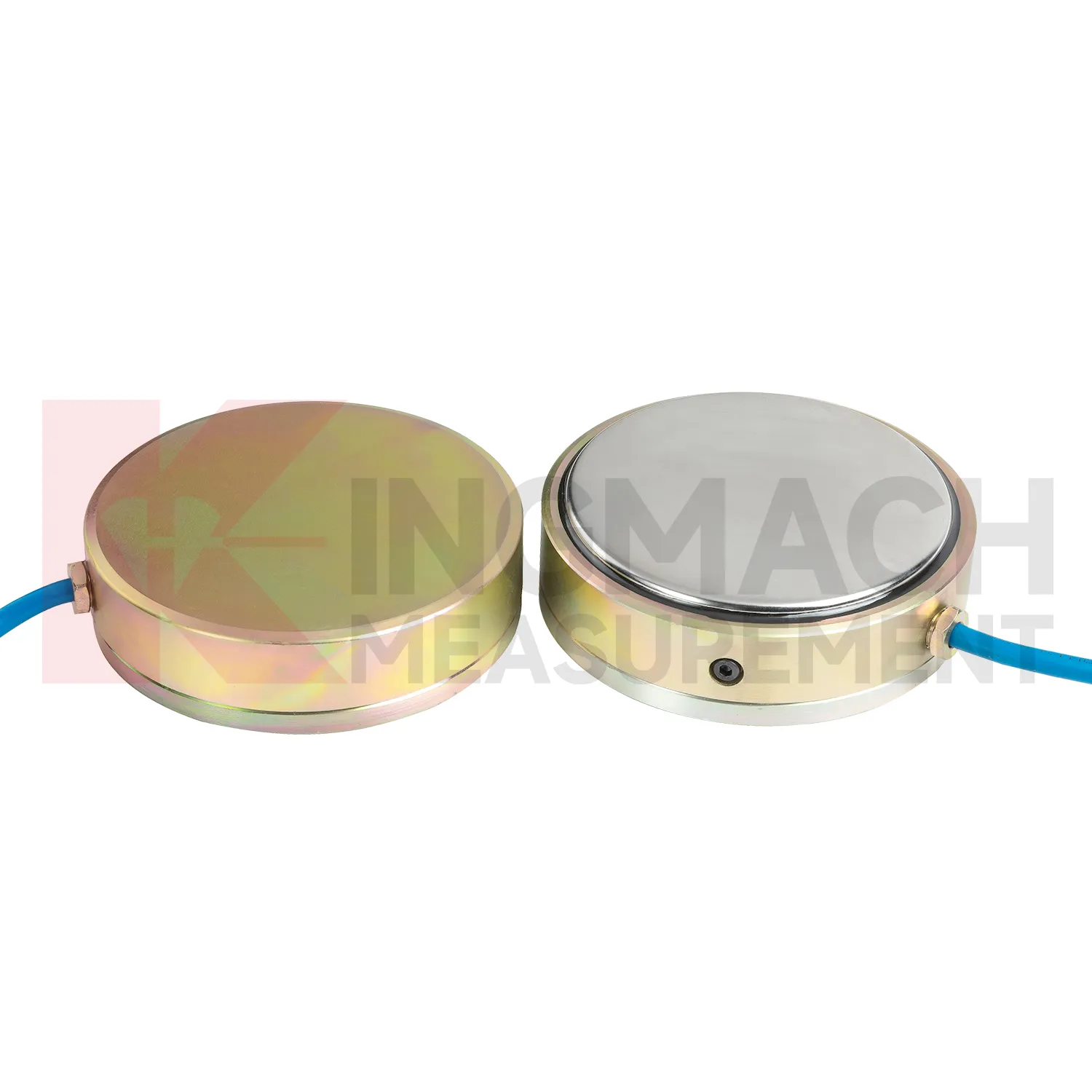
Large Earth Pressure Cell ( VW & Smart Type) JMZX-51XXAT/ ATM
View DetailsFAQ
Annular (donut) designs are common when the load cell must fit around a tendon or bolt, like in tieback anchors. Solid (column) cells work well in compression-only setups such as pile testing. Kingmach will typically discuss your physical constraints first — the mounting geometry often drives the decision more than the load range.
Most force transducer load cells from Kingmach offer mV/V, 0–10V, or 4–20 mA. If you’re connecting to a datalogger, check the input channels. For long cable runs in electrically noisy sites, a 4–20 mA current loop is usually preferred. The build sheet can also include a TEDS chip for plug-and-play with some readout units.
They’re designed with spherical loading caps to minimize eccentricity, but excessive side loading will still affect accuracy. For field conditions where true axial alignment is hard to guarantee, specifying a higher side-load tolerance early in the ordering process can help. Including a real-time load-centering check during installation is good practice.
Standard accuracy is usually within ±0.5% of full scale, with calibration certificates provided. Creep and nonlinearity are controlled according to OIML or ASTM standards relevant to geotechnical use. If the application demands better precision, such as ±0.1%, that’s typically a custom specification. Calibration intervals depend on usage — a cell that sits permanently in a dam might need rechecking less often than one used on multiple construction sites.
Share your product type, target capacity, and application requirements. Our team can review the details and recommend a practical next step.
If you are interested in our products or want to become our partner.
Please leave your contact information, our team will contact you as soon as possible.
Mail: [email protected]
Contact Us: +8613808434127
Address: No. 188 Tongzipo West Rd, Changsha, Hunan, China