
 EN
EN
 ar
ar bg
bg hr
hr cs
cs da
da nl
nl fi
fi fr
fr de
de el
el hi
hi it
it ko
ko no
no pl
pl pt
pt ro
ro ru
ru es
es sv
sv tl
tl iw
iw id
id lv
lv lt
lt sr
sr sk
sk sl
sl uk
uk vi
vi et
et hu
hu th
th tr
tr fa
fa ms
ms hy
hy ka
ka ur
ur bn
bn mn
mn ta
ta kk
kk uz
uz ku
ku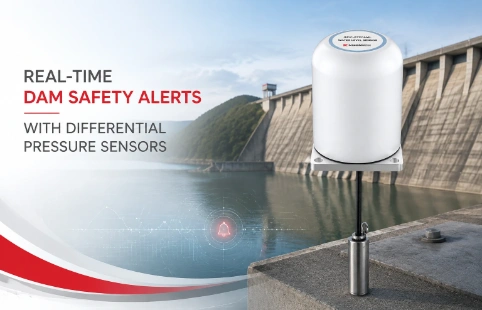
Real-Time Dam Safety Alerts with Differential Pressure Water Level Sensors
Key Takeaways An alert chain needs more than a sensor: define field in...

Accelerometers Sensors That Work as Hard as Your Project
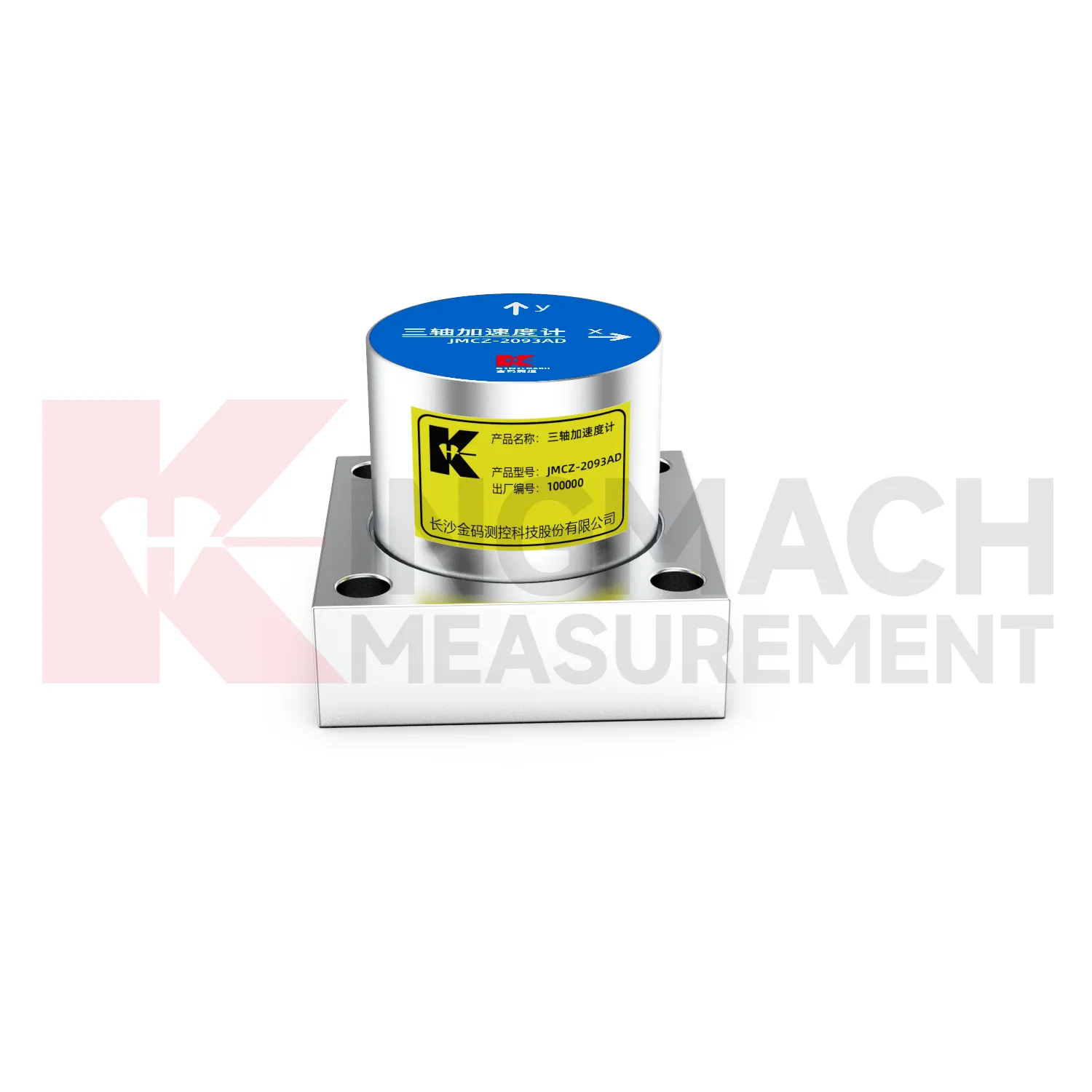
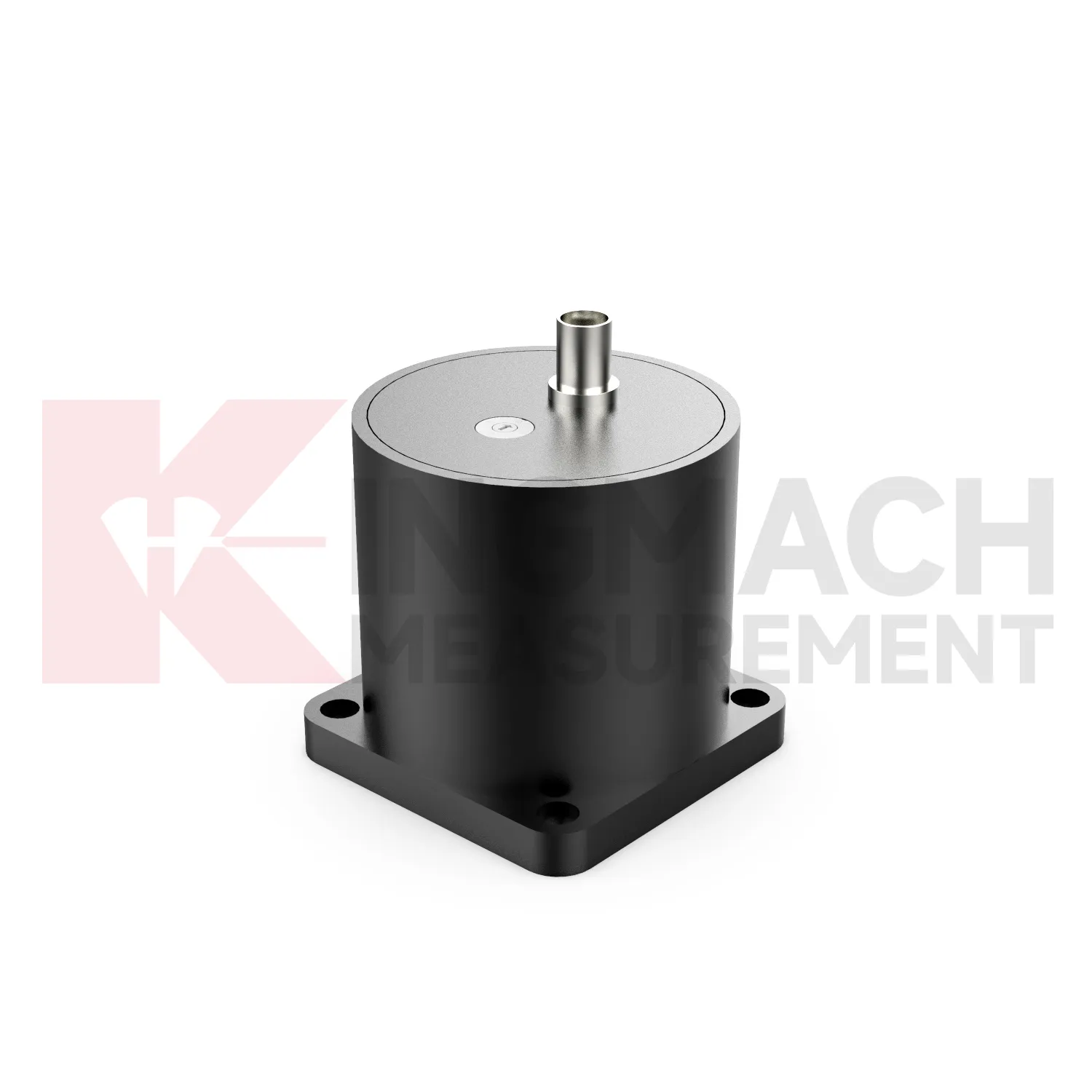
A slope fails slowly at first—then all at once. The signs were there, but only if your instruments can feel them. Accelerometers sensors turn those invisible shifts into data you can act on. Kingmach supplies these sensors to engineers who can’t afford guesswork: the ones monitoring dams, bridges, and excavation sites where conditions change by the hour. We bundle them with the kind of support that comes from building geotechnical instruments for years, not reselling generic parts. Our range covers low-frequency seismic units, MEMS tiltmeters that double as accelerometers, and triaxial configurations for complex 3D movement. No single sensor fits every job, so we keep the catalog wide and the customization path open. You tell us the range, cable length, or output signal your site demands, and we’ll assemble to spec. From initial wiring to long-term drift checks, technical help is part of the package—not an upsell.
Technical Detail
Kingmach accelerometers sensors are designed with field realities in mind. Housing materials default to stainless steel or anodized aluminum, sealing out moisture, dust, and the occasional accidental submersion. Measurement ranges typically span from ±0.5g for subtle structural tilts up to ±40g on heavy machinery mounts, with frequency bandwidths tailored accordingly. Output options include analog voltage (0–5V), 4–20mA current loops for long cable runs, and digital RS485 for networked acquisition. This flexibility means you can tie into old dataloggers or modern IoT gateways without forcing a full system upgrade. For geotechnical monitoring, our sensors often work in arrays—placed in inclinometer casing, attached to retaining walls, or embedded into dam abutments. The real difference surfaces when a sensor sees three wet seasons and still holds calibration within spec. We achieve that through internal potting, redundant seals, and pre-ageing components before final assembly. Customization extends beyond connectors and cable lengths; we’ve built variants with heated enclosures for alpine sites and subsea-rated housings for offshore monitoring. Because we manufacture in-house, lead times stay predictable, and support engineers can trace every unit back to its test report. Global distribution and multilingual technical support mean you’re not left puzzling over a manual in a time zone six hours away.
News
Key Takeaways An alert chain needs more than a sensor: define field in...
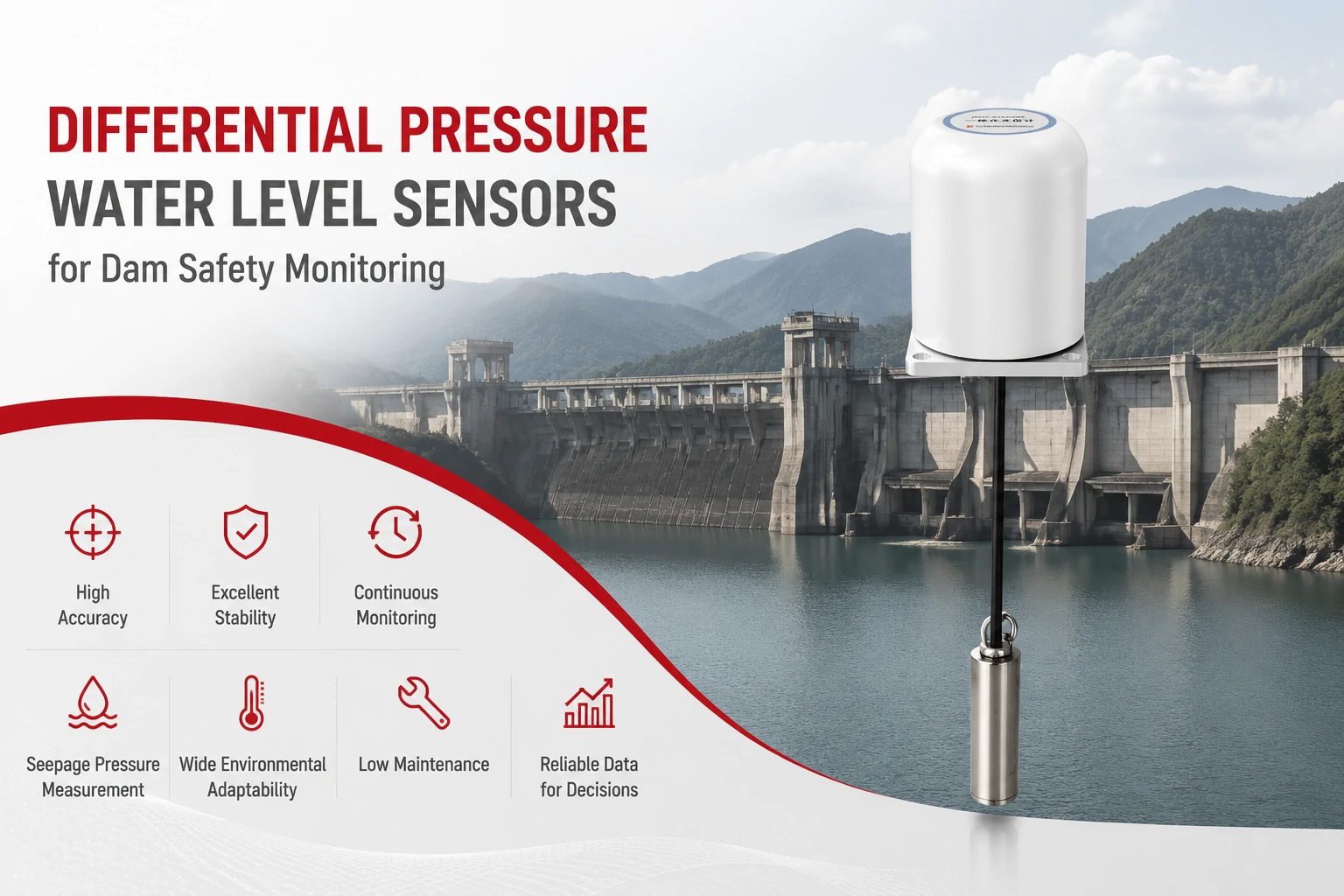
Key Takeaways The strongest fit is usually a confined, submerged, or s...
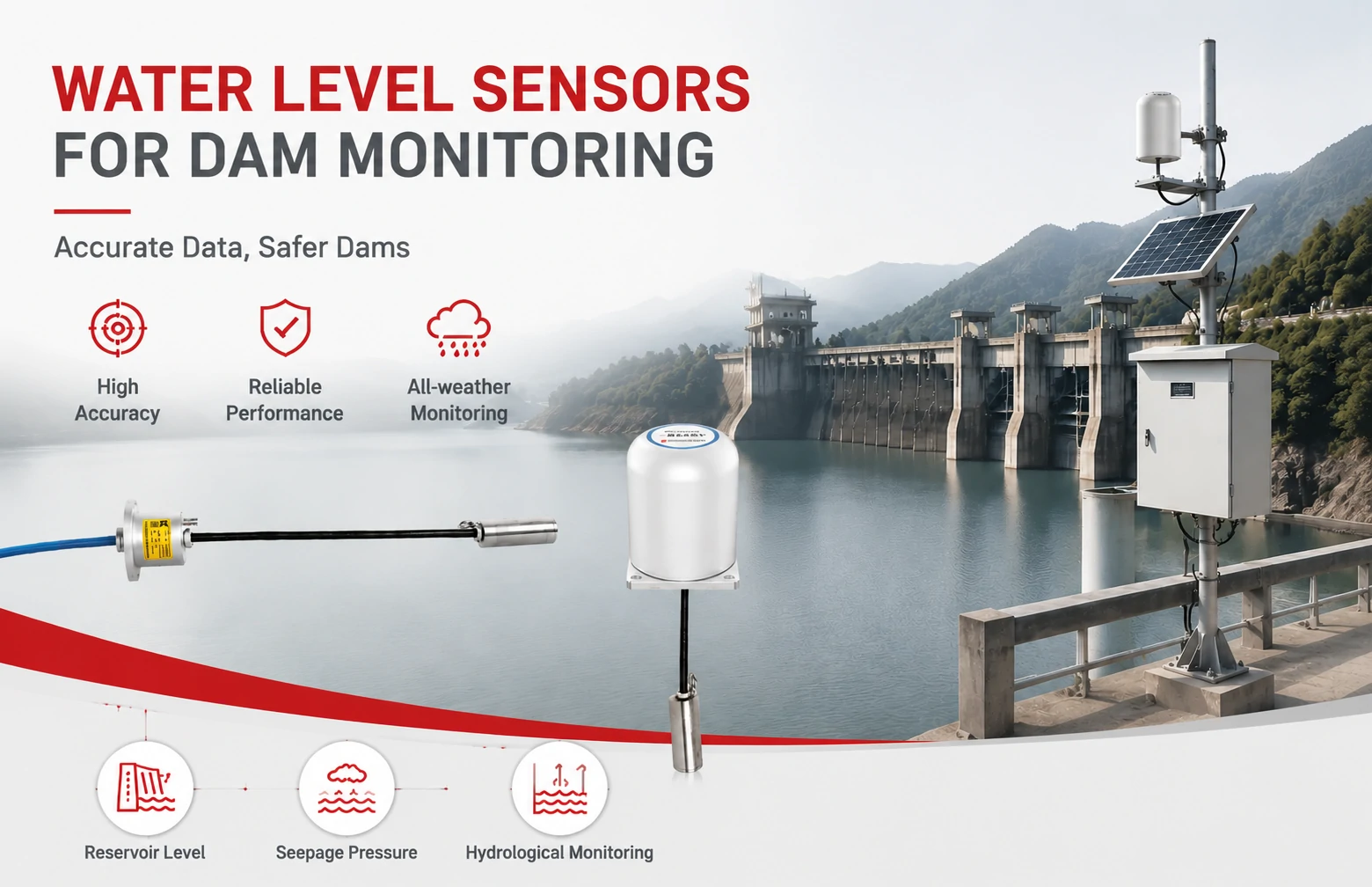
Kingmach Water Level Sensors for Dam Monitoring: A Buyer's Guide to Differential Pre...
Products
FAQ
It comes down to resolution and your low-frequency needs. Servo models give you extreme low-noise performance down to DC—ideal for seismically active slopes or precision tilt. MEMS units cost less, are smaller, and handle higher g-ranges well. For most structural health monitoring on buildings or bridges, MEMS does the job. If you’re measuring micro-g movements over weeks, servo wins.
Yes, and we’ll help with the wiring. Our 4–20mA output sensors connect directly to most Campbell analog input channels. Voltage-output models often need a simple voltage divider, which we can pre-wire into the cable termination. Just let us know your datalogger model when ordering.
Standard mods include non-standard cable lengths, different connector types, custom measurement ranges, and dual-axis or triaxial configurations. For larger orders we can also adjust the housing material, add temperature sensors inside the enclosure, or tweak the frequency response. We keep the engineering side practical—no endless feasibility studies for minor changes.
Our accelerometers sensors typically drift less than 500 ppm/year under stable conditions. We recommend a recalibration every 12–24 months depending on site criticality. You can ship units back to our factory, or we can arrange onsite calibration with a portable shaker table for larger arrays. Every sensor ships with a calibration certificate traceable to national standards.
They can be, but you need the right spec. We’d suggest a model with a ±100g range and a sampling rate above 1 kHz if you’re capturing near-field blast pulses. Pair it with a fast datalogger. For site boundary monitoring where signals are attenuated, standard ±10g units often suffice. Tell us the charge weight and distance you’re working with, and we’ll recommend accordingly.
Share your product type, target capacity, and application requirements. Our team can review the details and recommend a practical next step.
If you are interested in our products or want to become our partner.
Please leave your contact information, our team will contact you as soon as possible.
Mail: [email protected]
Contact Us: +8613808434127
Address: No. 188 Tongzipo West Rd, Changsha, Hunan, China