
 EN
EN
 ar
ar bg
bg hr
hr cs
cs da
da nl
nl fi
fi fr
fr de
de el
el hi
hi it
it ko
ko no
no pl
pl pt
pt ro
ro ru
ru es
es sv
sv tl
tl iw
iw id
id lv
lv lt
lt sr
sr sk
sk sl
sl uk
uk vi
vi et
et hu
hu th
th tr
tr fa
fa ms
ms hy
hy ka
ka ur
ur bn
bn mn
mn ta
ta kk
kk uz
uz ku
ku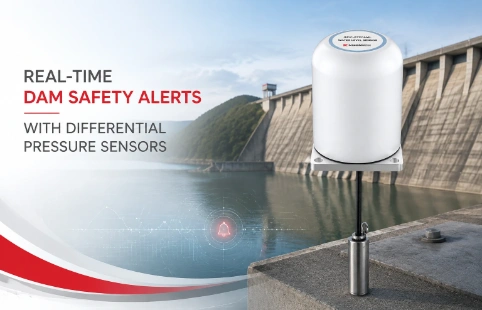
Real-Time Dam Safety Alerts with Differential Pressure Water Level Sensors
Key Takeaways An alert chain needs more than a sensor: define field in...

Tilt Acquisition Module: Streamline Your Monitoring Data Flow
Tilt sensors generate a lot of data points — especially when you’re monitoring dozens of boreholes or a long retaining wall. The Tilt Acquisition Module from Kingmach sits between your sensors and your data logger (or cloud platform), handling signal conditioning, analog-to-digital conversion, and initial data packaging. Instead of stringing long analog cables that pick up noise, you place this module close to the sensor array and run a single digital bus back to the recorder. This approach cuts installation time and reduces troubleshooting later. The module works with standard MEMS and servo-accelerometer tiltmeters. It auto-identifies sensor types on power-up and adjusts gain and filter settings accordingly. For projects that need custom alarm triggers (say, tilt exceeding 0.5 degrees over 10 minutes), logic is built directly into the module firmware — no extra PLC needed. Typical applications include construction pit monitoring, dam deformation networks, and railway subgrade stability checks. Kingmach builds these modules in-house, so if your project has an odd sensor mix or a non-standard sample rate requirement, they can rework the firmware without the usual long lead times.
Technical Detail
On most monitoring sites, the distance between a tiltmeter string and the main datalogger can easily exceed 100 meters. Running individual analog pairs for each sensor invites signal degradation and complicates fault finding. The Tilt Acquisition Module solves this by digitizing sensor signals right at the borehole or structure, then sending the results over a robust industrial bus. Each module accepts up to eight independent tilt channels. Inputs are differential, with programmable gain to match both low-sensitivity servo accelerometers and high-output MEMS sensors. A 24-bit delta-sigma ADC ensures that sub-0.001-degree changes are captured, yet the firmware aggressively filters out vibration noise — so you don’t get false alarms every time heavy machinery passes by. Output is Modbus RTU over RS-485, which integrates directly with Kingmach’s own R-series loggers or any third-party SCADA that talks Modbus. A CAN bus option is available for longer cable runs in tunnels. Power consumption is low enough that a 12 V battery and a small solar panel keep the module running indefinitely. The extruded aluminum housing carries an IP67 rating and includes integrated M12 connectors for power, sensor input, and data output — no need to open enclosures in the rain. An internal temperature sensor allows the module to apply lookup-table corrections for tilt sensors that drift with temperature, a common issue with lower-cost MEMS units. Kingmach ships these modules pre-configured for common sensor types, including brands like Jewell, Geokon, and RST. Custom wiring tables are no extra charge. Firmware tweaks — such as changing the data rate from one sample per minute to one per second — can be done by the user via a simple configuration file, or Kingmach technicians can do it remotely if the module is linked to a cellular gateway. This flexibility matters when a construction schedule changes overnight and you suddenly need faster tilt updates.
News
Key Takeaways An alert chain needs more than a sensor: define field in...
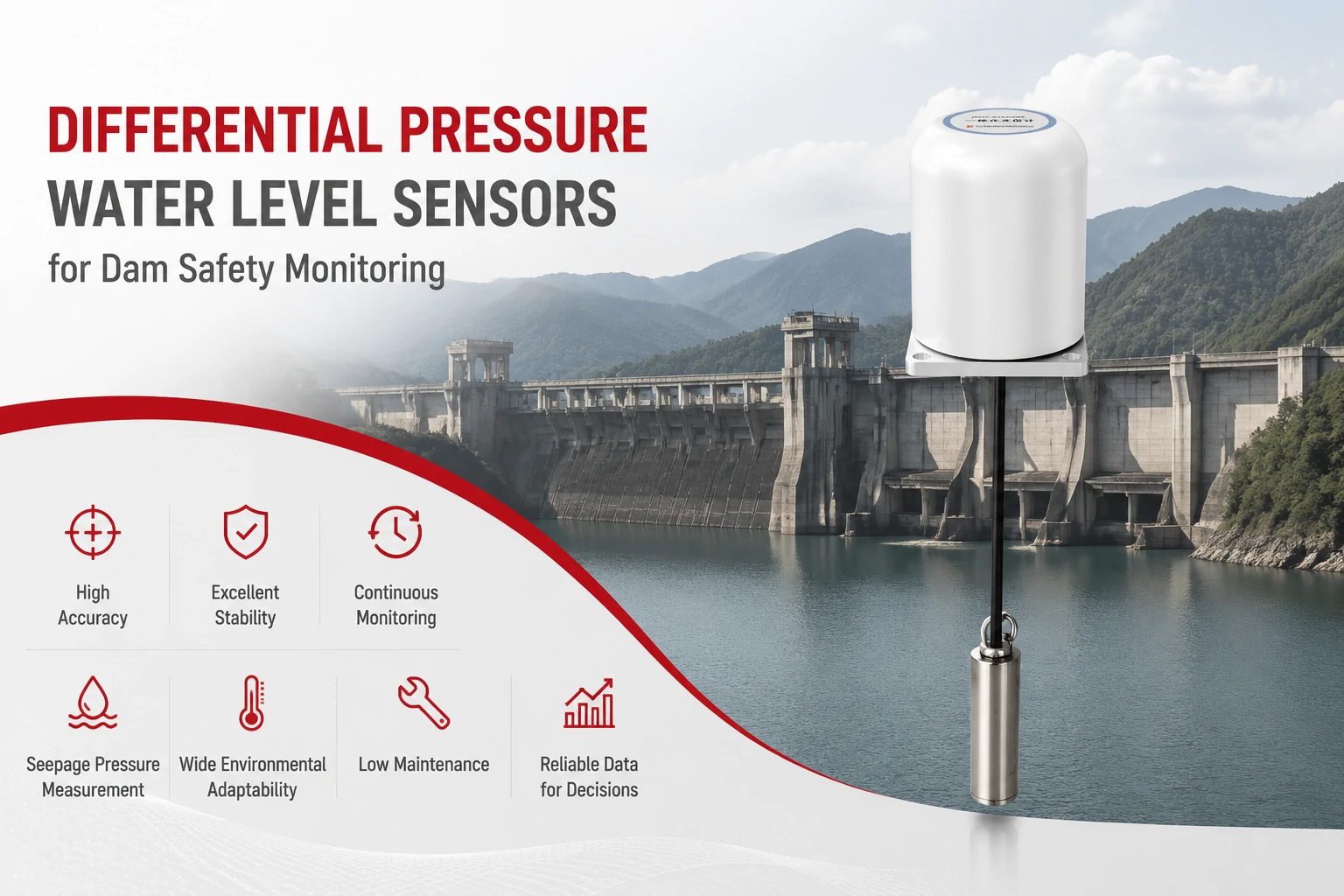
Key Takeaways The strongest fit is usually a confined, submerged, or s...
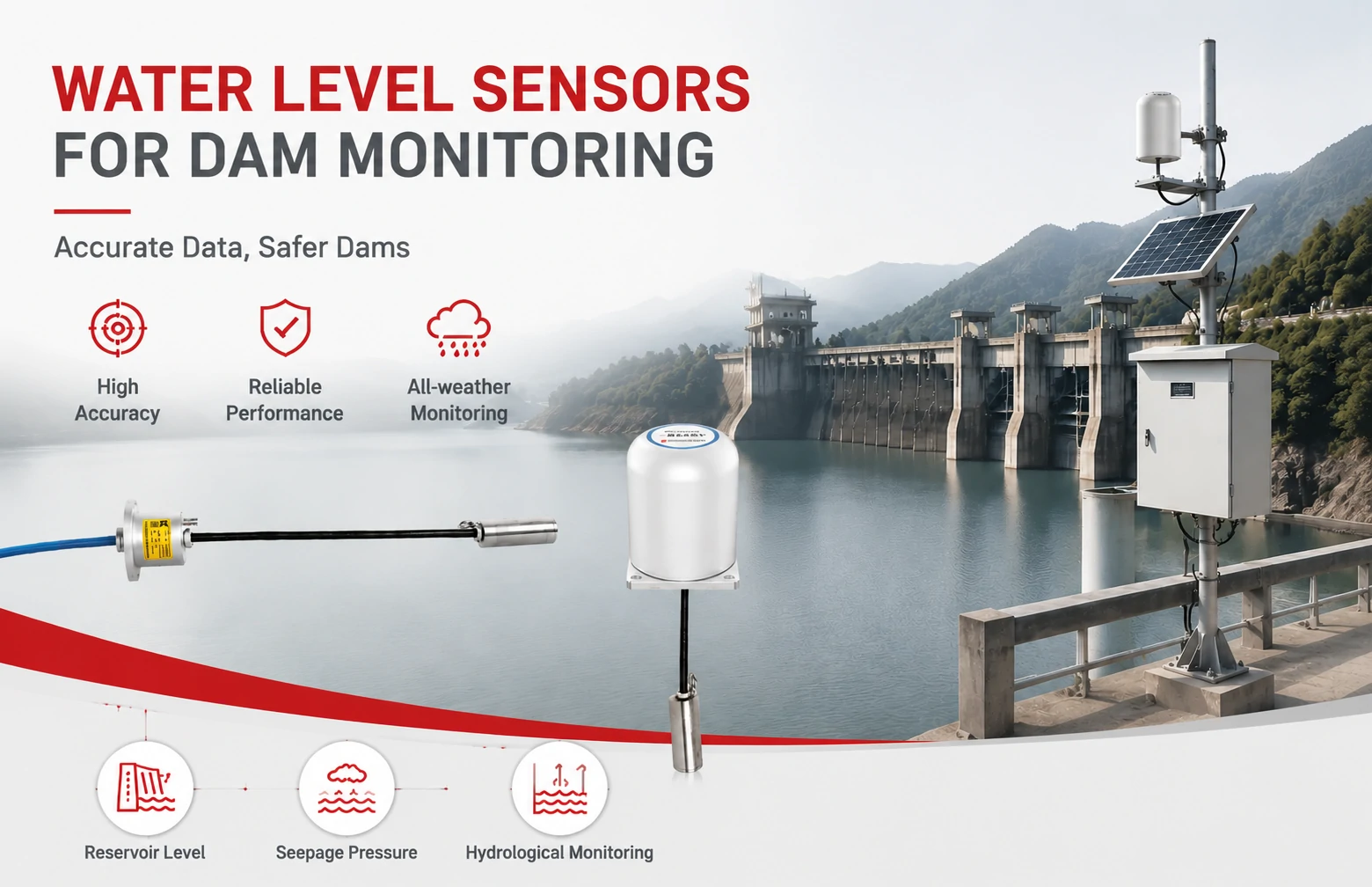
Kingmach Water Level Sensors for Dam Monitoring: A Buyer's Guide to Differential Pre...
Products
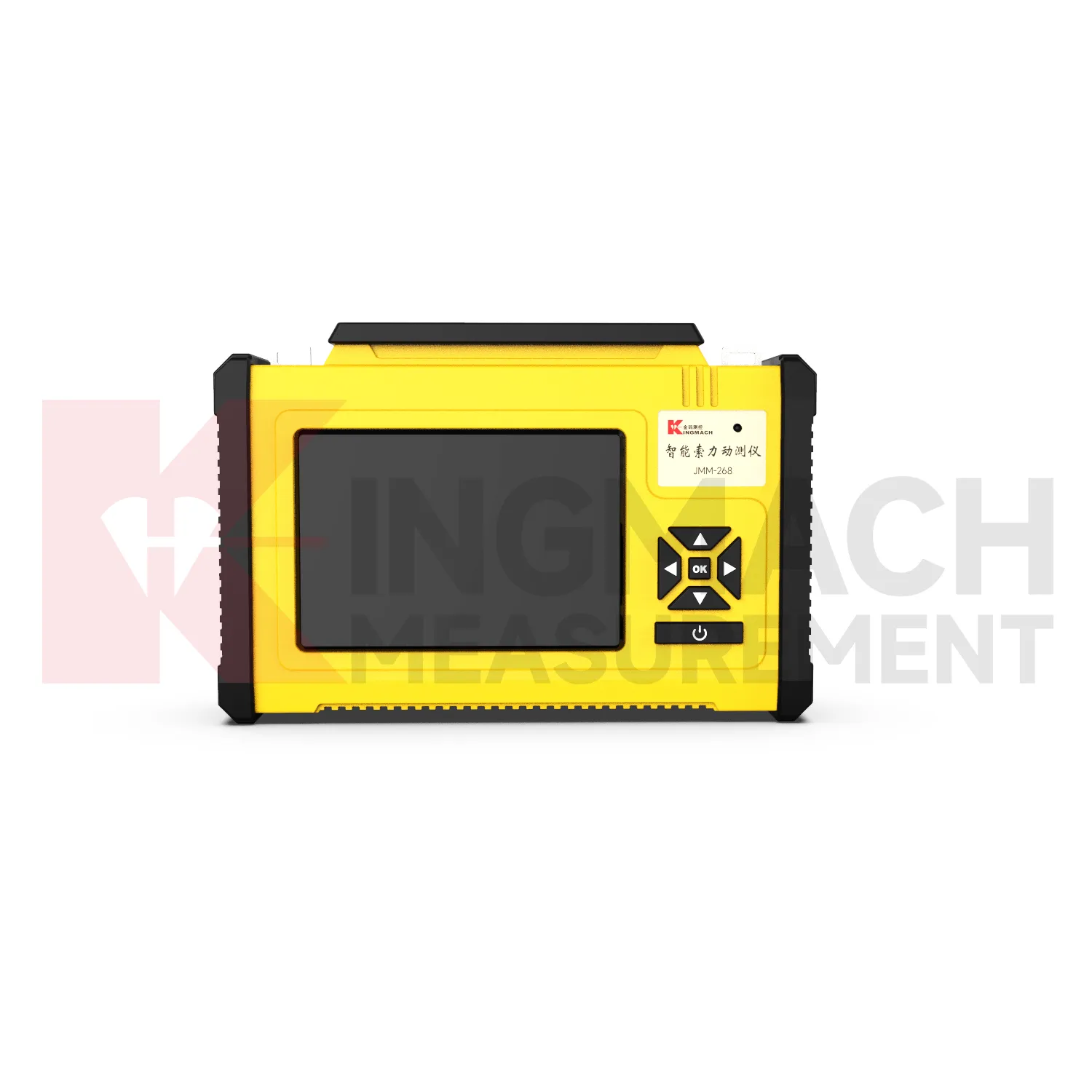
Cable force measuring instrument JMM-268L-1、2
View Details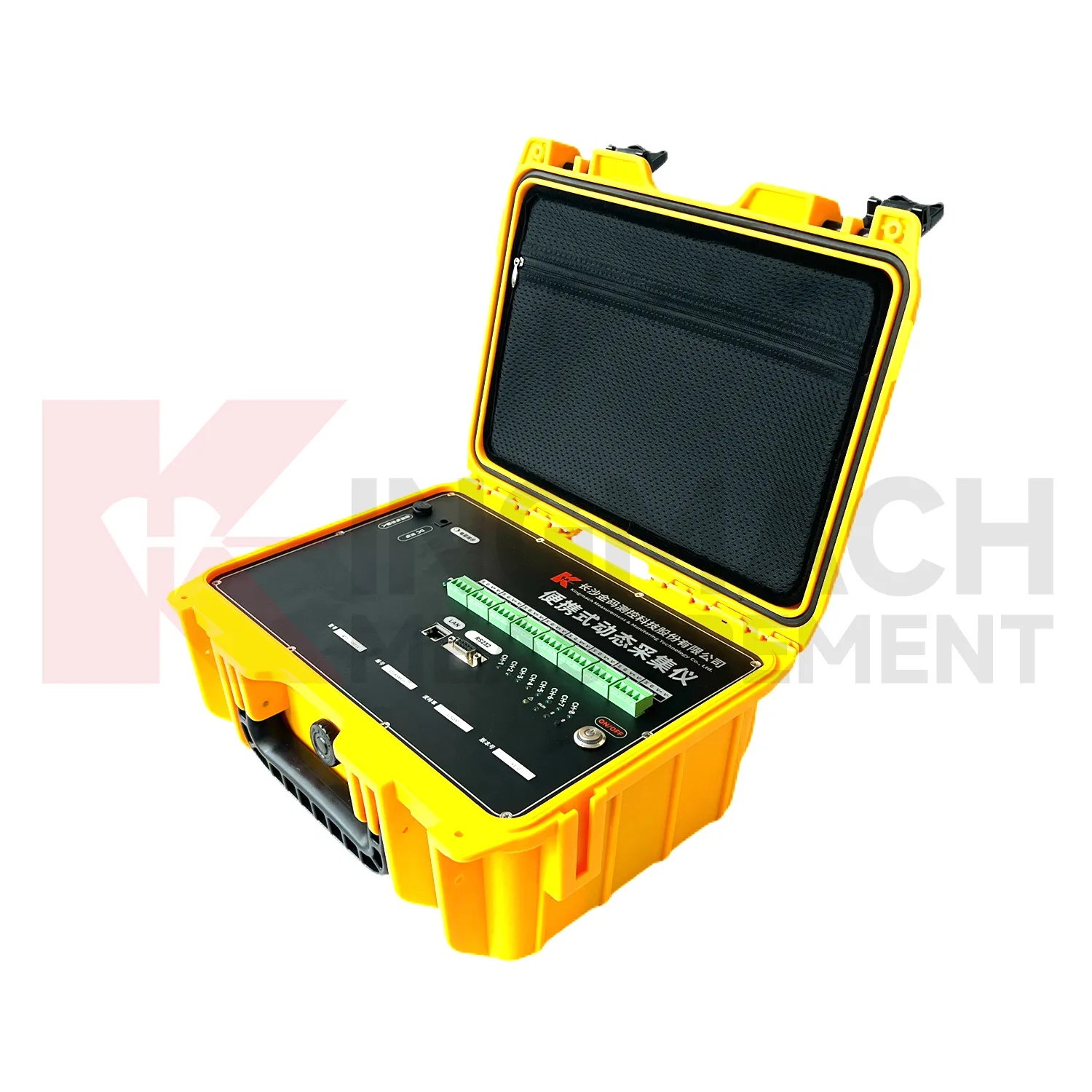
Portable Dynamic Signal Acquisition Readout JMYS-1008BX
View DetailsFAQ
It works with most industry-standard analog tilt sensors, including MEMS and servo-accelerometers from brands like Jewell, Geokon, and RST. If a sensor has a different output range, Kingmach can pre-load the gain settings before shipping. For very unusual sensors, they can also add a custom calibration table in the firmware.
With RS-485, you can typically reach 1,200 meters at lower data rates. If the site requires longer runs (like in tunnels), the CAN bus option extends that to about 5 km. Repeaters can push it further, but most slope monitoring jobs never hit those limits.
Yes, the module has a built-in alarm logic block. You configure bounds for each channel — for instance, cumulative tilt over 15 minutes above 0.5°. When triggered, the module pulses a dry-contact output that can drive a siren or a beacon. No separate PLC is needed.
Each module gets a unique Modbus address (you set it with DIP switches on the board). The datalogger simply polls each address in sequence. Large arrays of tiltmeter strings often have a module at each borehole, and they all share the same twisted-pair bus. The polling sequence and timing are configurable via Kingmach’s setup software.
The module needs its own 12 V DC supply, typically from a battery-backed solar panel. While it can technically share a power rail with some dataloggers, noise isolation is better with separate supplies. Power draw is very low — under 1 W — so a small solar system is plenty.
Share your product type, target capacity, and application requirements. Our team can review the details and recommend a practical next step.
If you are interested in our products or want to become our partner.
Please leave your contact information, our team will contact you as soon as possible.
Mail: [email protected]
Contact Us: +8613808434127
Address: No. 188 Tongzipo West Rd, Changsha, Hunan, China