
 EN
EN
 ar
ar bg
bg hr
hr cs
cs da
da nl
nl fi
fi fr
fr de
de el
el hi
hi it
it ko
ko no
no pl
pl pt
pt ro
ro ru
ru es
es sv
sv tl
tl iw
iw id
id lv
lv lt
lt sr
sr sk
sk sl
sl uk
uk vi
vi et
et hu
hu th
th tr
tr fa
fa ms
ms hy
hy ka
ka ur
ur bn
bn mn
mn ta
ta kk
kk uz
uz ku
ku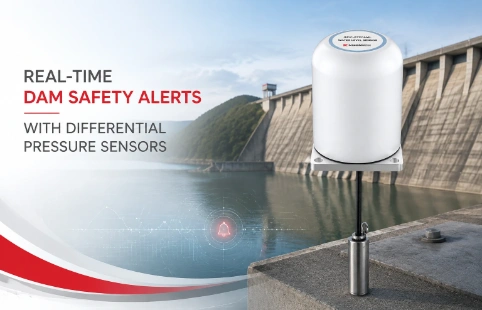
Real-Time Dam Safety Alerts with Differential Pressure Water Level Sensors
Key Takeaways An alert chain needs more than a sensor: define field in...

Smart Vibrating Wire Piezometer for Reliable Subsurface Monitoring
When groundwater levels shift unexpectedly during excavation or dam construction, the margin for error shrinks fast. A vibrating wire piezometer becomes a frontline tool—and the smart versions go further than just spitting out a frequency reading. Kingmach builds these instruments with an eye on field practicality: the sensing element holds calibration for years, the on-board digitizer cuts out analog drift, and the output is ready for most dataloggers without extra signal conditioning. For engineers running distributed monitoring networks, that means less guesswork and fewer trips to recalibrate. Typical installations range from deep borehole arrays at reservoir sites to standpipe-mounted units in urban dewatering projects. Because every site throws its own curveballs, we keep the housing options, cable lengths, and communication protocols configurable rather than one-size-fits-all. The result is a groundwater or pore pressure reading you can act on, not just record.
Technical Detail
Kingmach’s smart vibrating wire piezometer converts pore water pressure into a frequency signal inside a rugged stainless steel body, then digitizes the data locally to avoid electrical noise on long cable runs. The sensor uses a proven vibrating wire element whose tension changes with water pressure, a technique known for negligible zero drift even after years in saturated ground. Temperature compensation is handled by an integral thermistor, so density corrections can be applied automatically in monitoring software. Output options include RS-485 and SDI-12, enabling direct connection to remote telemetry units without extra interface modules. This makes the instrument well-suited for automated monitoring at dams, landslide zones, deep excavations, and groundwater basins where regular manual readings aren’t feasible. The housing is typically machined from stainless steel with a sintered filter tip to keep silt out, and the cable entry is sealed against high pore pressure. Kingmach supports customization for unusual depth ranges, multiple piezometer strings, or non-standard thread sizes. Since we produce a wide range of geotechnical sensors in-house, the piezometer can be bundled with dataloggers, solar power kits, and cloud-based dashboards as a turnkey package. Training and after-sales support are available through local distributors, which helps reduce the learning curve for teams new to automated pore pressure monitoring. Whether you’re instrumenting a tailings dam or keeping an eye on a metro station’s dewatering system, the goal is always a clear, low-maintenance data stream that feeds directly into your stability analysis.
News
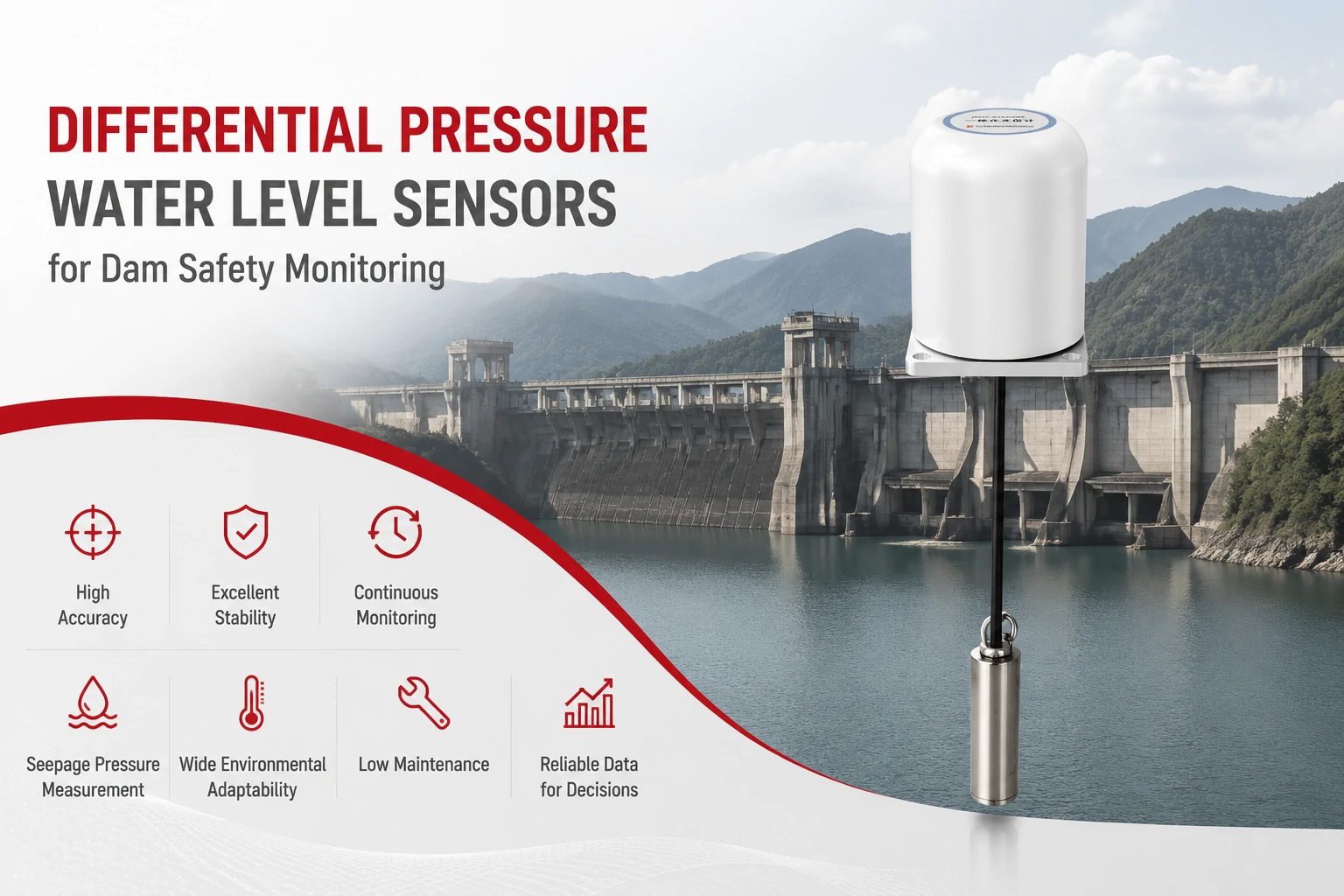
Key Takeaways An alert chain needs more than a sensor: define field in...
Key Takeaways The strongest fit is usually a confined, submerged, or s...
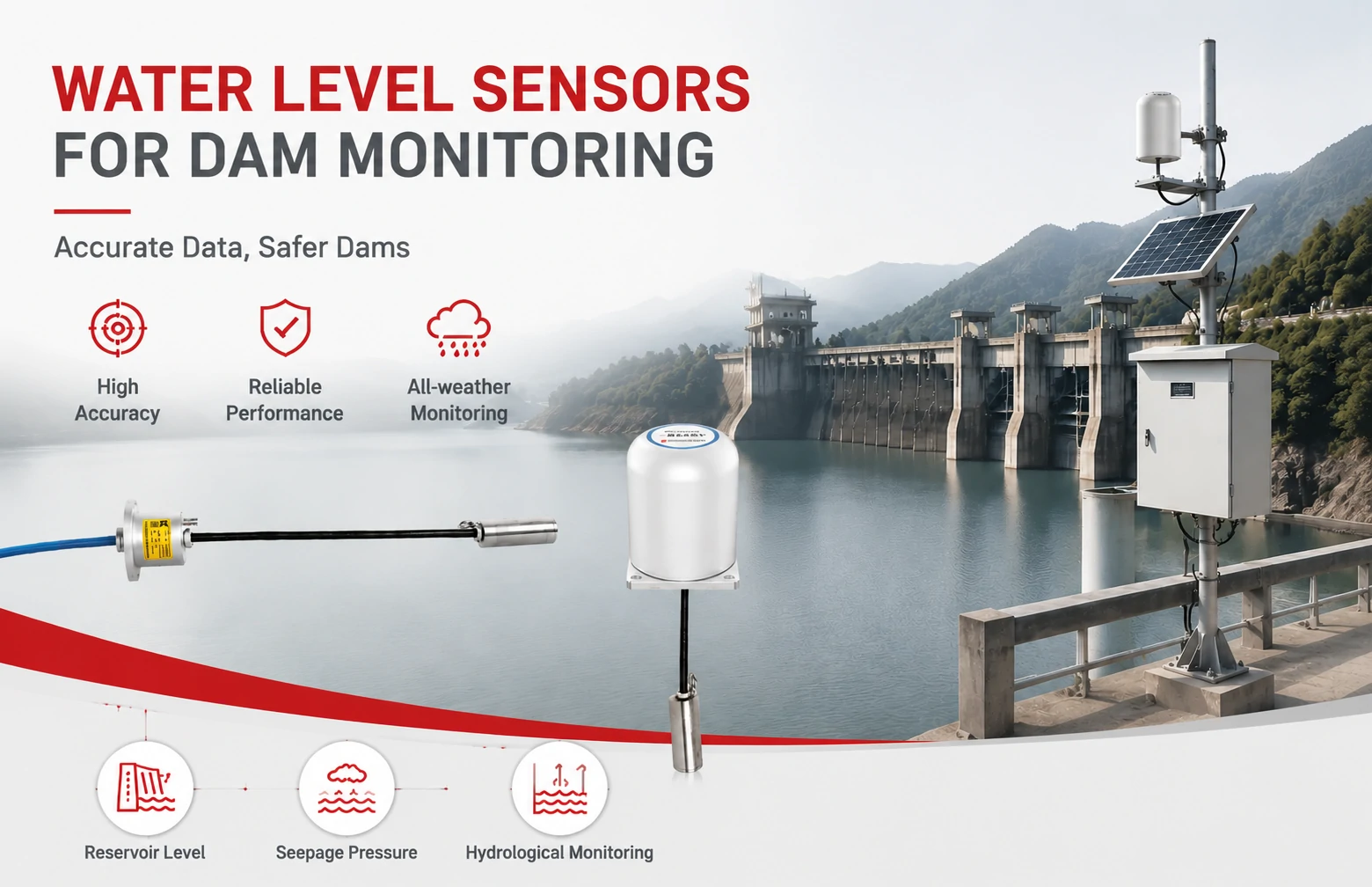
Kingmach Water Level Sensors for Dam Monitoring: A Buyer's Guide to Differential Pre...
Products
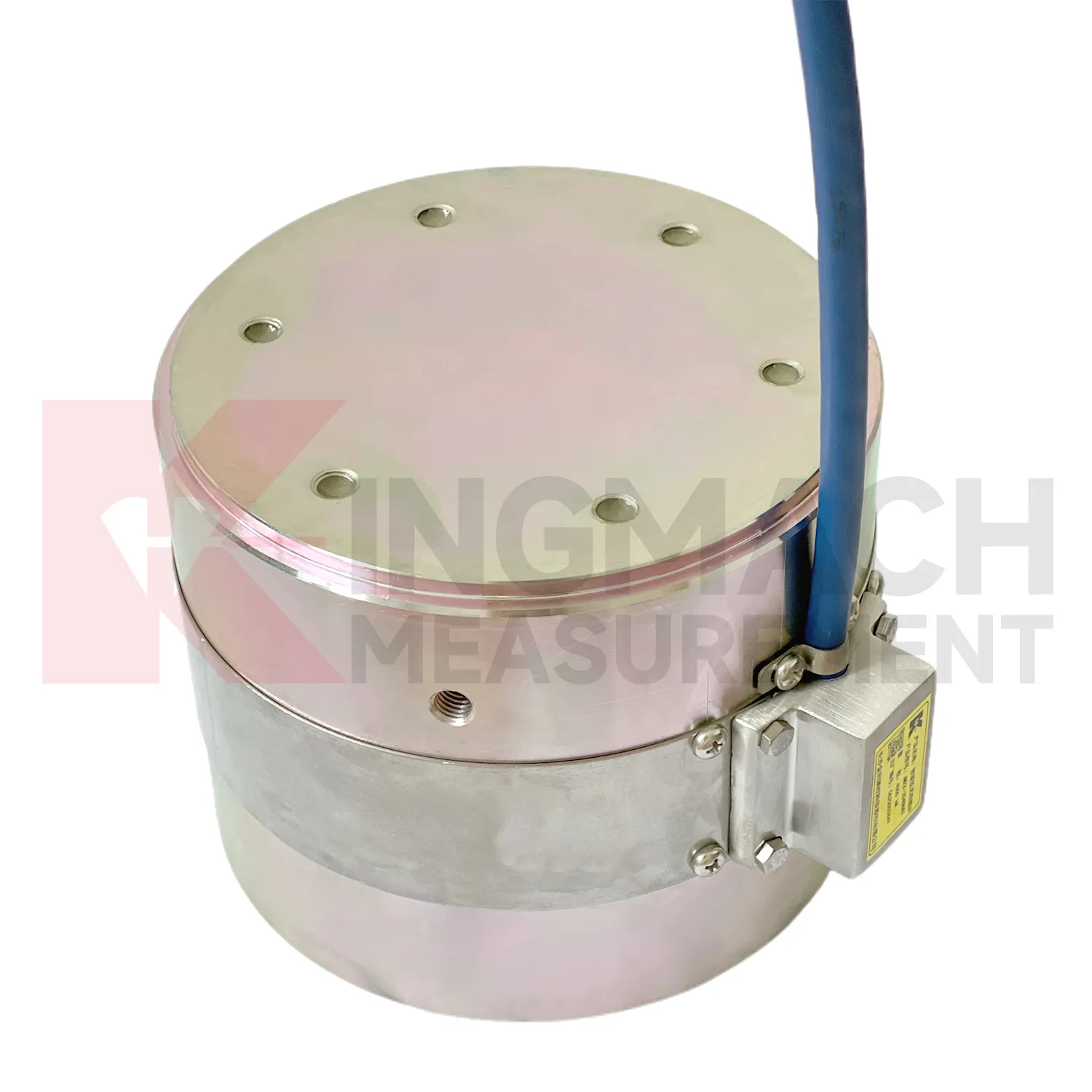
Solid load cell JMZX-34XXHAT、35XXHAT、36XXHAT
View Details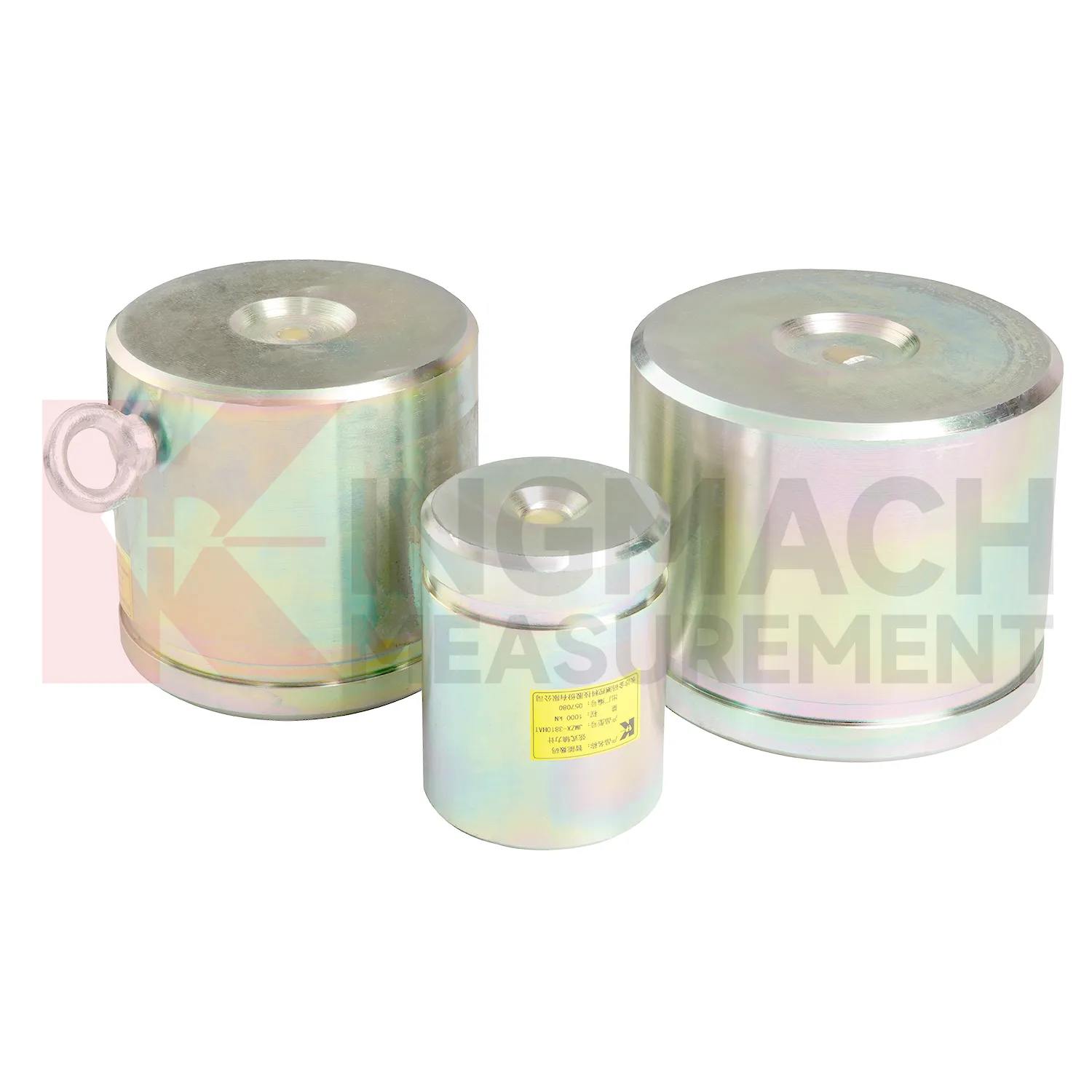
Axial Force Load Meter ( VW & Smart Type)JMZX-38XXHAT
View Details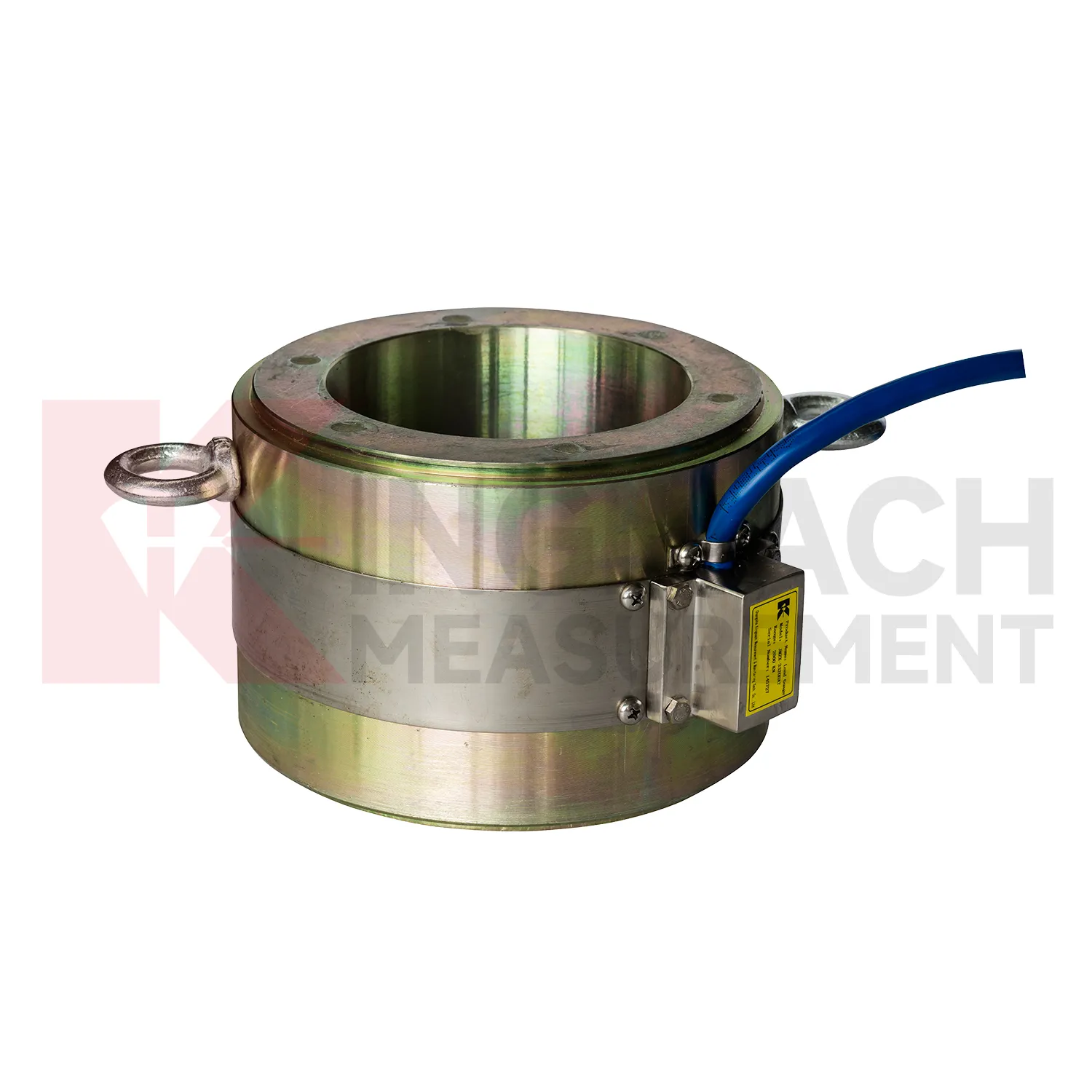
FAQ
A standard vibrating wire piezometer usually outputs a raw frequency or period that needs an external converter box. A smart version has an embedded microprocessor that handles excitation, temperature correction, and signal conditioning, outputting engineering units directly via RS-485 or SDI-12. This saves cabling, reduces interference, and simplifies logger setup.
Yes. The stainless steel housing and sealed cable entry are designed for long-term submersion. Pressure ratings depend on the sensing range selected, but typical models are tested well above the nominal working pressure and can handle artesian conditions as long as the cable sealing is correctly installed.
Any datalogger that speaks SDI-12 or Modbus RTU will work. Kingmach often pairs the piezometer with its own 4G/NB-IoT loggers, but the open protocol means you can integrate with third-party systems like Campbell Scientific, Geokon, or custom PLC networks without much hassle.
Because the digitized signal is transmitted, not the raw vibrating wire frequency, cable runs of several hundred meters are common with no meaningful loss. The main limitation is usually voltage drop for the sensor’s excitation, which our support team can check against your cable gauge and length.
The vibrating wire sensor holds its factory calibration well over many years, but a site zero reading at atmospheric pressure is good practice before lowering into a borehole. After that, periodic verification with a dip meter or water level sounder is enough to confirm drift is negligible in most groundwater settings.
Share your product type, target capacity, and application requirements. Our team can review the details and recommend a practical next step.
If you are interested in our products or want to become our partner.
Please leave your contact information, our team will contact you as soon as possible.
Mail: [email protected]
Contact Us: +8613808434127
Address: No. 188 Tongzipo West Rd, Changsha, Hunan, China