
 EN
EN
 ar
ar bg
bg hr
hr cs
cs da
da nl
nl fi
fi fr
fr de
de el
el hi
hi it
it ko
ko no
no pl
pl pt
pt ro
ro ru
ru es
es sv
sv tl
tl iw
iw id
id lv
lv lt
lt sr
sr sk
sk sl
sl uk
uk vi
vi et
et hu
hu th
th tr
tr fa
fa ms
ms hy
hy ka
ka ur
ur bn
bn mn
mn ta
ta kk
kk uz
uz ku
ku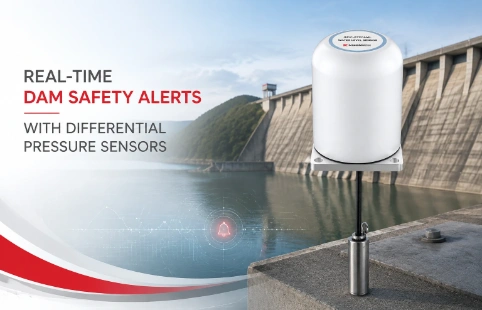
Real-Time Dam Safety Alerts with Differential Pressure Water Level Sensors
Key Takeaways An alert chain needs more than a sensor: define field in...

Intelligent Power Module Solutions for Monitoring
A monitoring project in a remote area stopped sending data. The cause wasn’t the sensor or the logger — it was the power supply. That’s the kind of failure an intelligent power module is designed to prevent. At Kingmach, we focus on geotechnical and structural monitoring instruments, and the Intelligent Power Module is part of that picture. It manages battery charge, solar input, and load switching with enough smarts to keep systems running in harsh environments. No marketing fluff — just a module that knows when to shut down non-critical loads, log low-voltage events, and wake up on schedule. For engineers dealing with landslides, dams, or deep excavations, power isn’t an afterthought; it’s the foundation. Our module fits into existing monitoring networks, works with common data loggers, and can be customized for site-specific thresholds. We build it with industrial-grade components, and our support team knows the monitoring side, not just electronics.
Technical Detail
Most power modules on the market are either too dumb to handle real-world monitoring or too complex to deploy in the field. Kingmach’s Intelligent Power Module sits in the middle: it has enough intelligence to manage power priorities but remains simple to configure over a serial port or Bluetooth. We came at this from the monitoring side, not from power electronics. That means the module understands what a vibrating wire sensor or an inclinometer needs — stable, low-noise power with minimal self-consumption. In practice, the module handles three main tasks. First, it controls charging from solar panels or wind turbines, keeping batteries healthy across temperature extremes. Second, it distributes power to sensors, loggers, and communication gear, with programmable on/off sequences to save energy. Third, it reports its own status — battery voltage, load current, temperature — so the central system knows if the power supply is about to fail. We don’t publish generic specs because every site is different. The input voltage, number of outputs, and communication protocol can be adjusted. A typical configuration handles 12V systems with 2-4 switched outputs, but we’ve built modules for 24V setups and custom wake-up triggers. All components are rated for -20°C to 65°C operation, and we pot the critical parts for moisture protection. Kingmach supplies the module as part of a broader monitoring system, but it can also retrofit existing installations. Our global distributors keep stock, and technical support usually answers questions within 24 hours. If you need something that doesn’t exist yet, we can modify the firmware or hardware — that’s the advantage of working with a manufacturer, not a catalog reseller. For condition monitoring on bridges, tunnels, or mines, power reliability isn’t a luxury. The cost of a site visit to replace a battery far exceeds the price of a smart power module. We’ve seen projects where the module paid for itself in one avoided service call. This isn’t a one-size-fits-all product, and we don’t pretend it is. Call or email us with your power requirements, and we’ll tell you if our module fits or suggest an alternative. No hard sell.
News
Key Takeaways An alert chain needs more than a sensor: define field in...
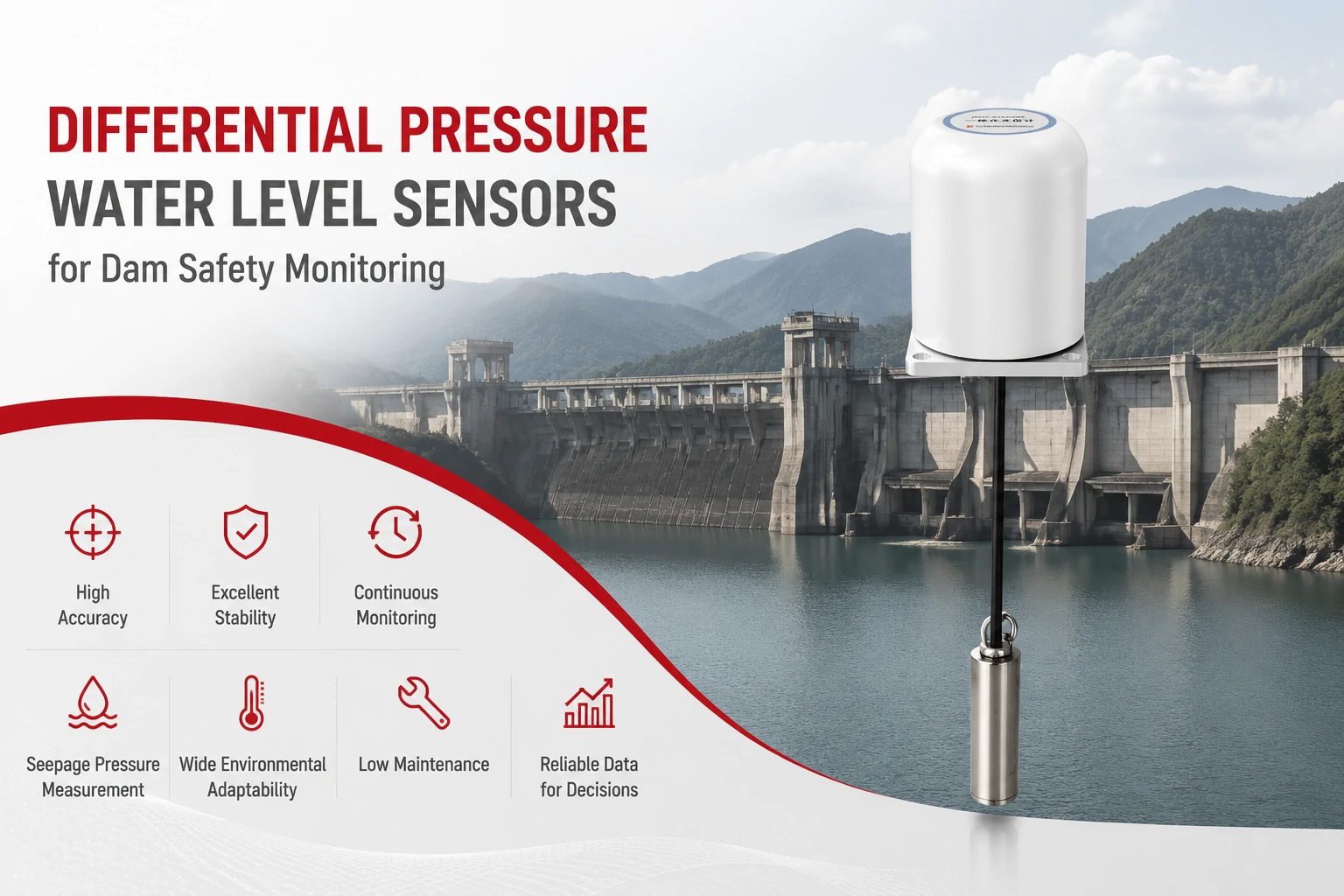
Key Takeaways The strongest fit is usually a confined, submerged, or s...
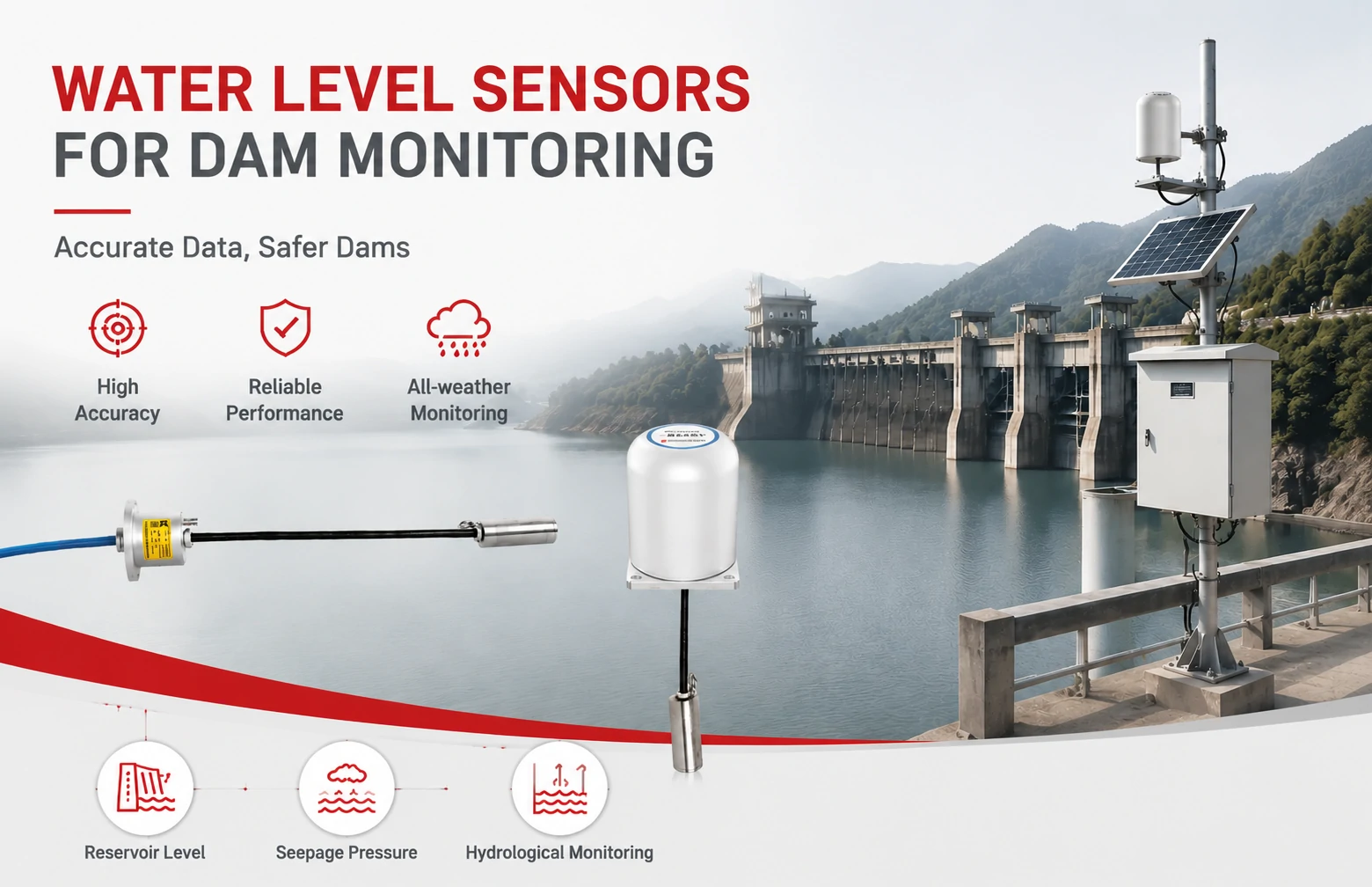
Kingmach Water Level Sensors for Dam Monitoring: A Buyer's Guide to Differential Pre...
Products
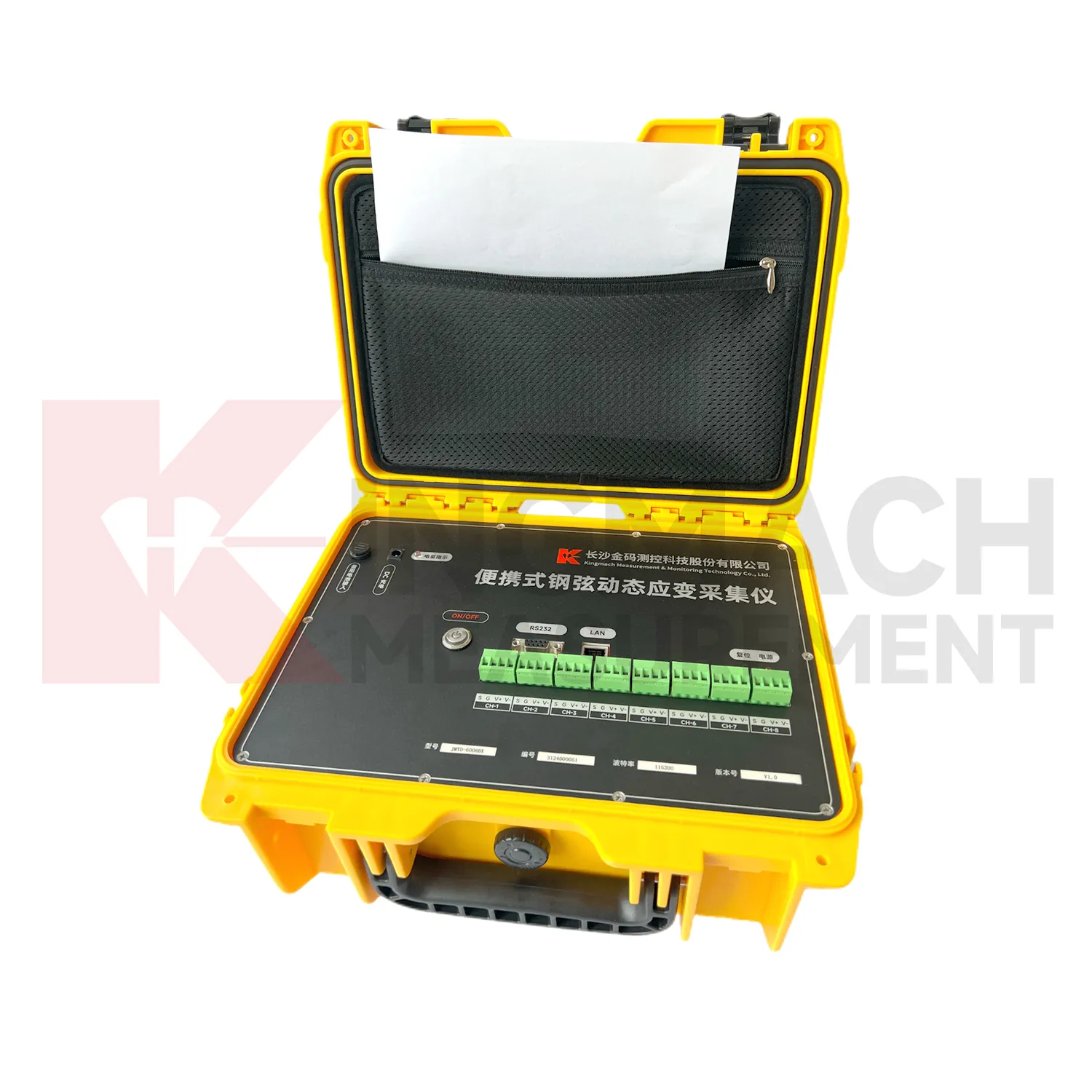
Portable Vibrating Wire Dynamic Strain Acquisition Readout JMYD-6008BX
View Details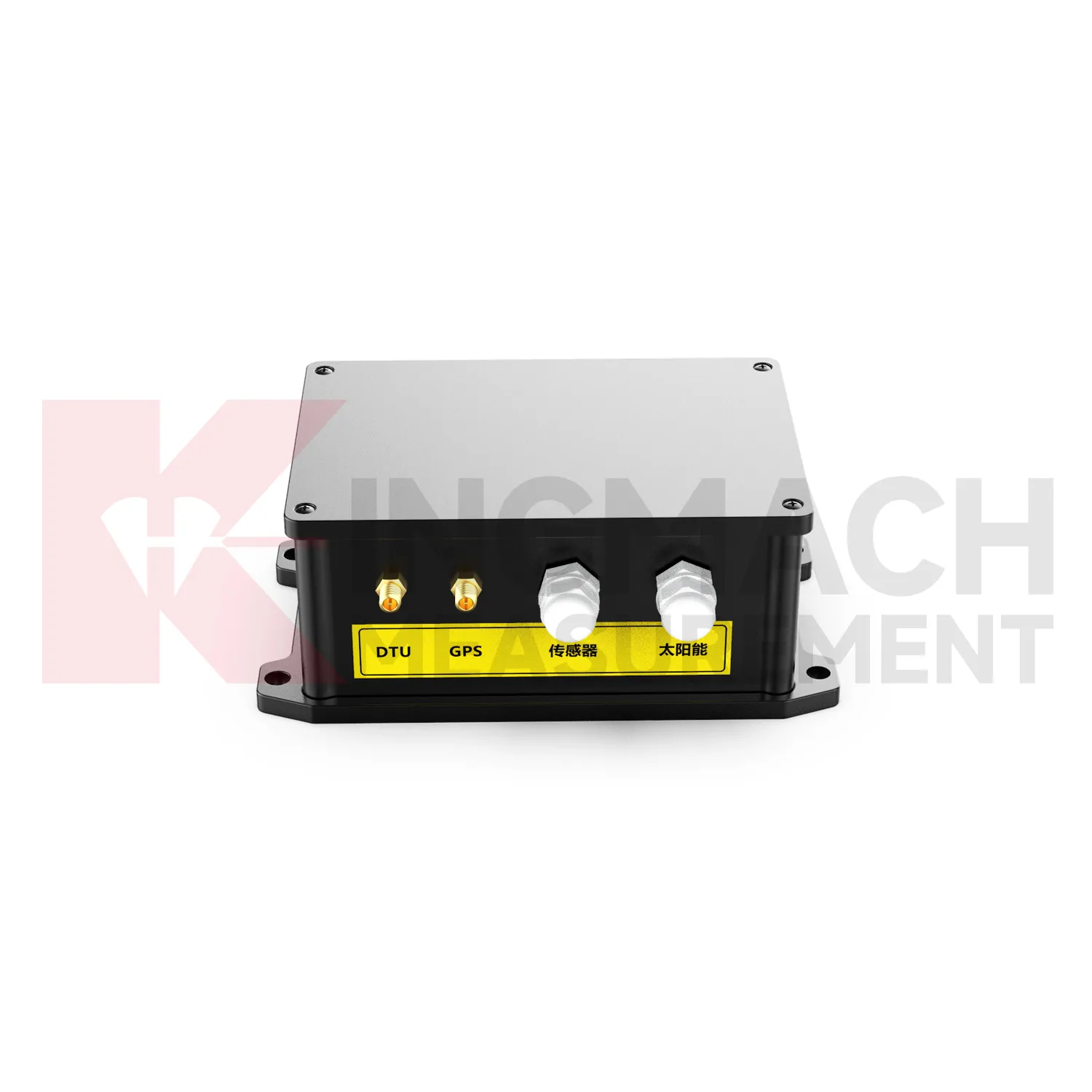
Wireless Data Logger (low power consumption design) JMWX-5RTU
View Details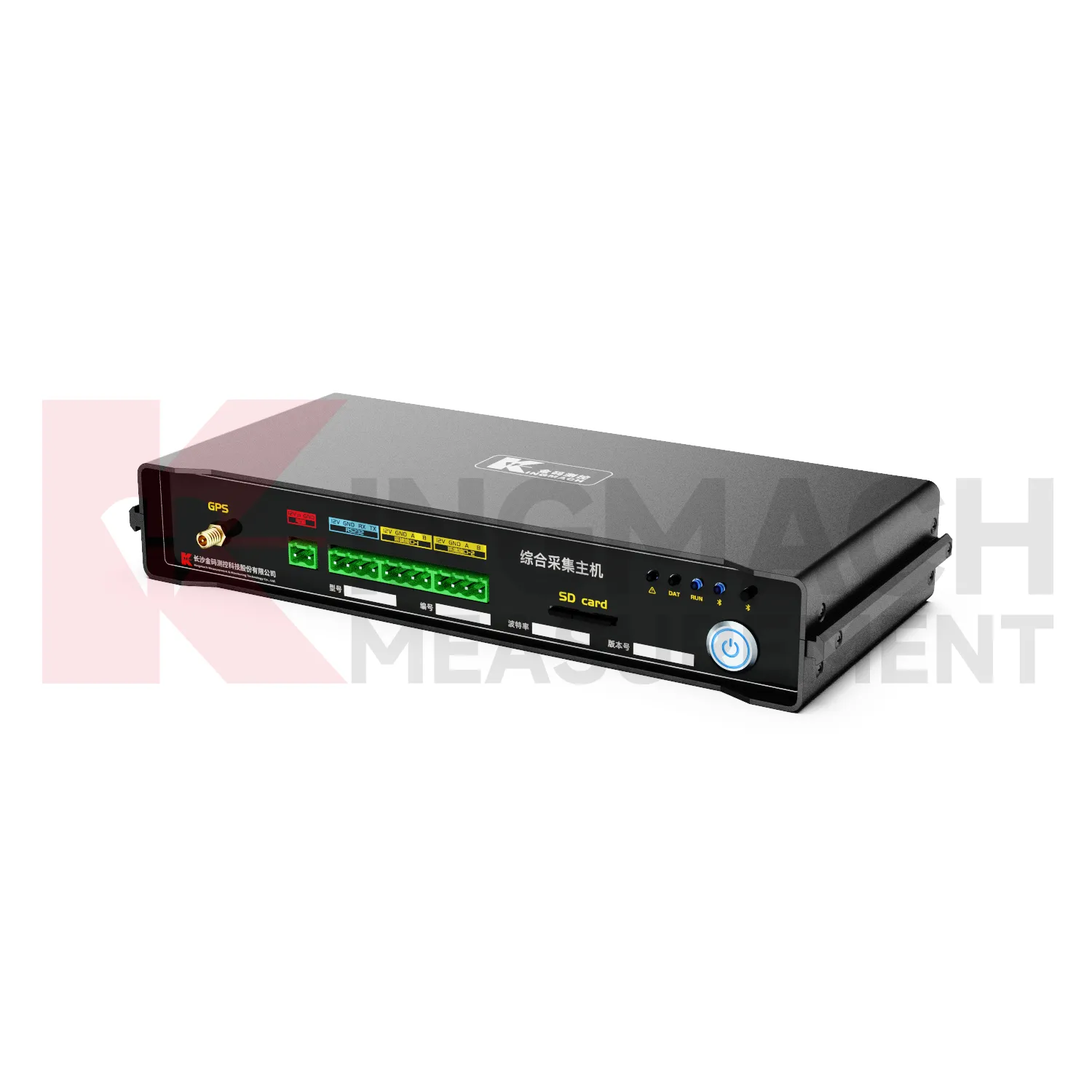
Comprehensive Acquisition Host Unit JMZX-5ZH
View DetailsFAQ
Usually, yes. The module accepts standard 12V or 24V solar inputs. You just need to specify the panel’s open-circuit voltage and power rating when ordering, and we set the charging parameters accordingly. If your panel is oversized, the module’s built-in protection will handle it — no extra regulator needed.
The module has a programmable low-voltage cutoff. Below a set threshold, it will disconnect all loads to prevent deep battery damage. Before that, it can send a warning through a dry contact or digital output, so your logger records the event. Once the battery recovers, it reconnects loads automatically after a delay you can configure.
It works with any logger that can accept a DC power input, usually 5V, 12V, or 24V. The module’s output voltages are factory-set. For communication, if you want the module to talk to the logger, we support standard protocols like Modbus RTU over RS-232, so most industrial loggers can integrate it. If your logger uses SDI-12, we can include a simple interface board.
You can pre-configure all parameters before deployment using a laptop and USB-to-serial adapter. For changes after installation, if the logger has satellite or radio telemetry, you can send commands through the logger’s pass-through mode. Otherwise, a site visit is needed. We’re working on a Bluetooth option that would allow local smartphone adjustments, but that’s still in testing.
The main reason is that we understand what you’re powering. A generic module won’t know that a geophone needs very stable voltage, or that a rain gauge heater can’t cycle on and off too fast. Our firmware includes small details — like soft-start for capacitive loads, or delayed shutdown after a rain event — that come from monitoring experience. Also, we stand behind it with support from engineers who’ve installed systems in real conditions, not just lab benches.
Share your product type, target capacity, and application requirements. Our team can review the details and recommend a practical next step.
If you are interested in our products or want to become our partner.
Please leave your contact information, our team will contact you as soon as possible.
Mail: [email protected]
Contact Us: +8613808434127
Address: No. 188 Tongzipo West Rd, Changsha, Hunan, China