
 EN
 ar
 bg
 hr
 cs
 da
 nl
 fi
 fr
 de
 el
 hi
 it
 ko
 no
 pl
 pt
 ro
 ru
 es
 sv
 tl
 iw
 id
 lv
 lt
 sr
 sk
 sl
 uk
 vi
 et
 hu
 th
 tr
 fa
 ms
 hy
 ka
 ur
 bn
 mn
 ta
 kk
 uz
 ku

Intelligent Power Module
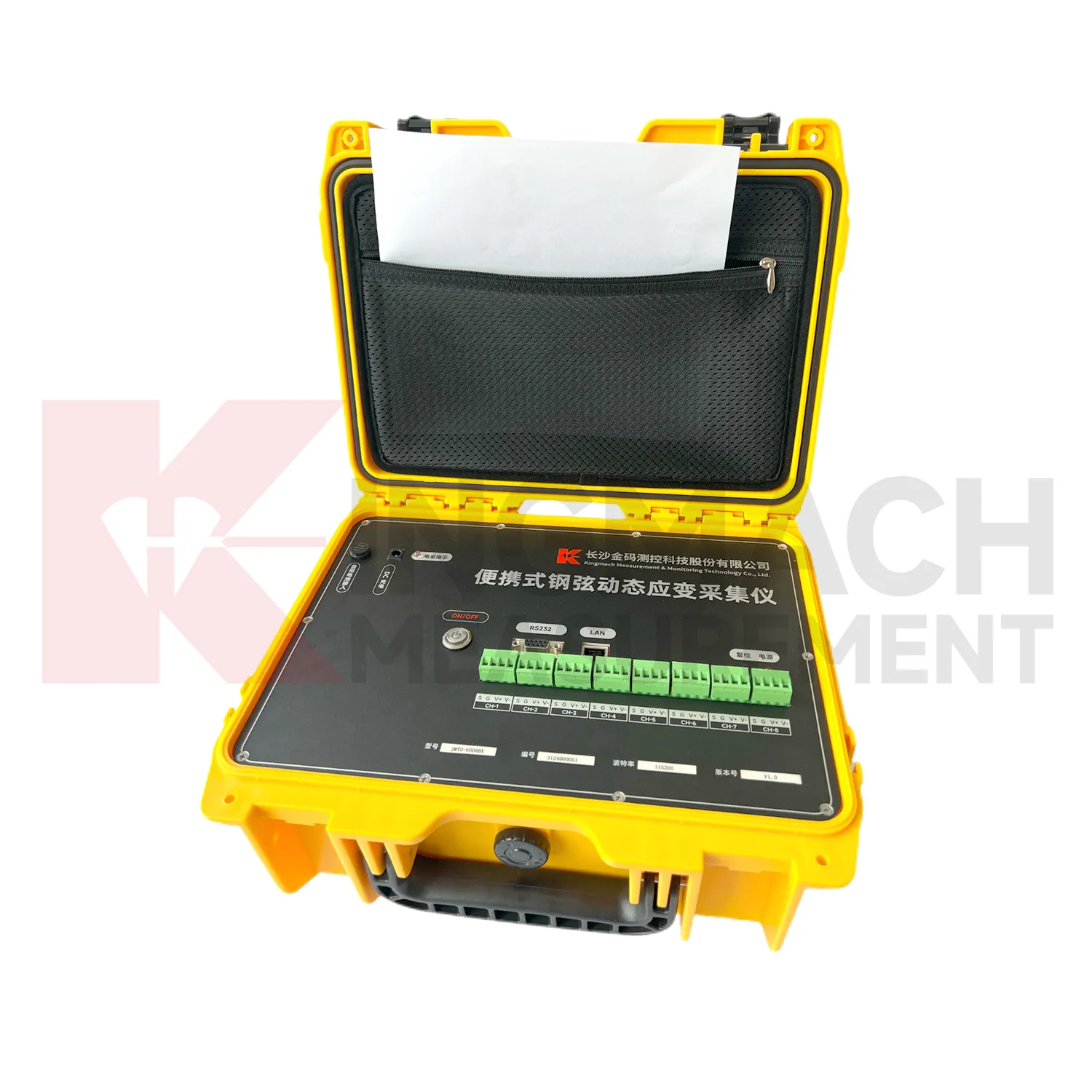
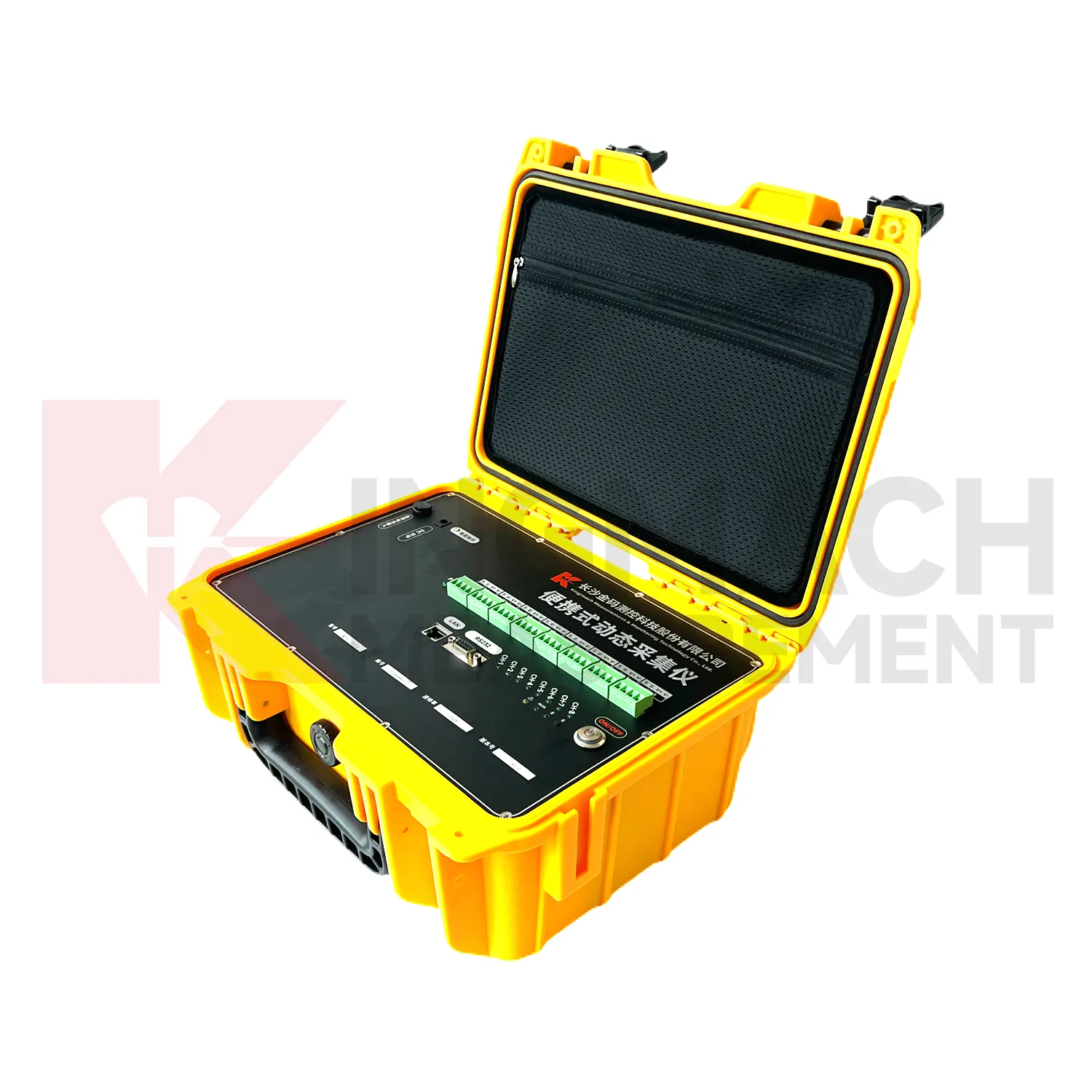
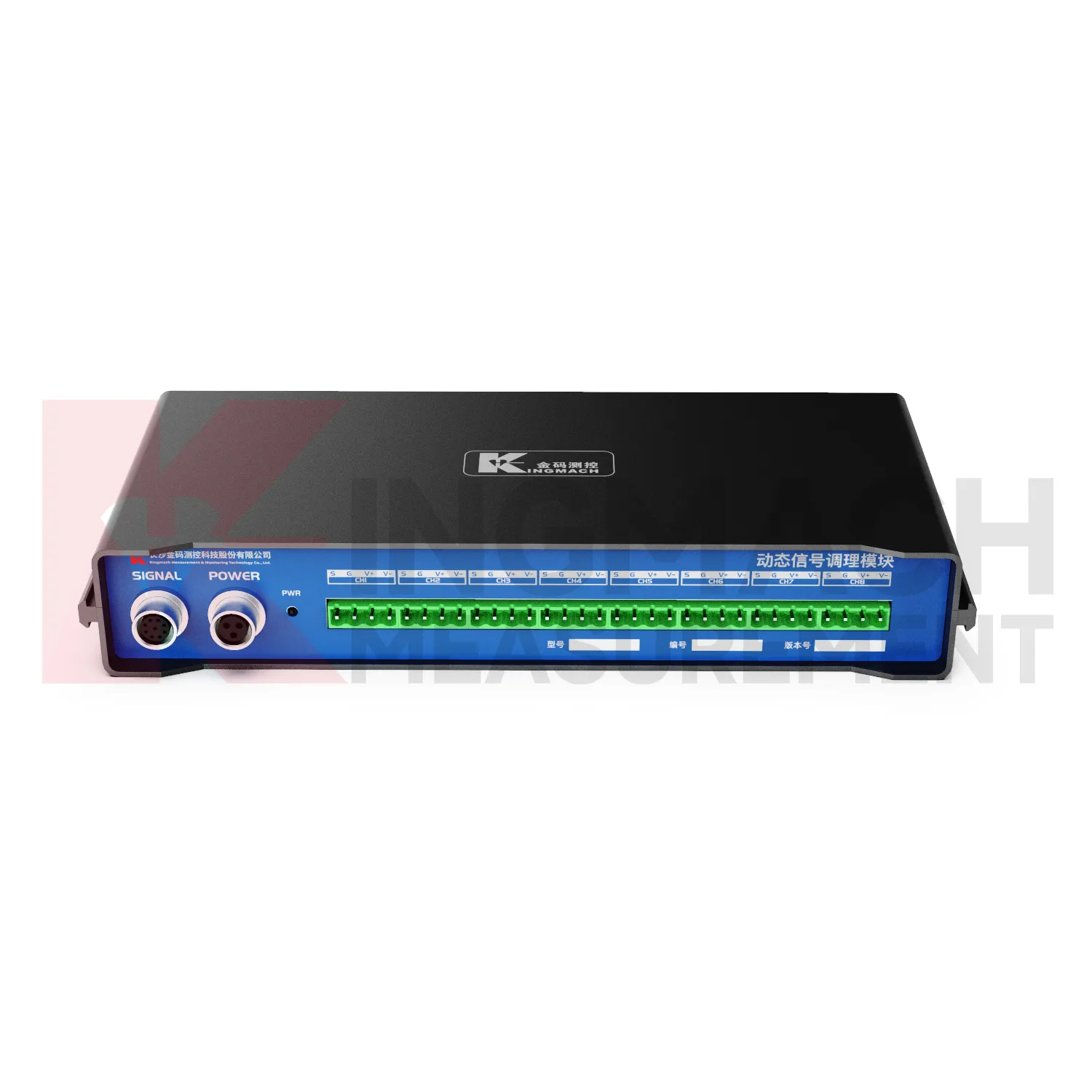
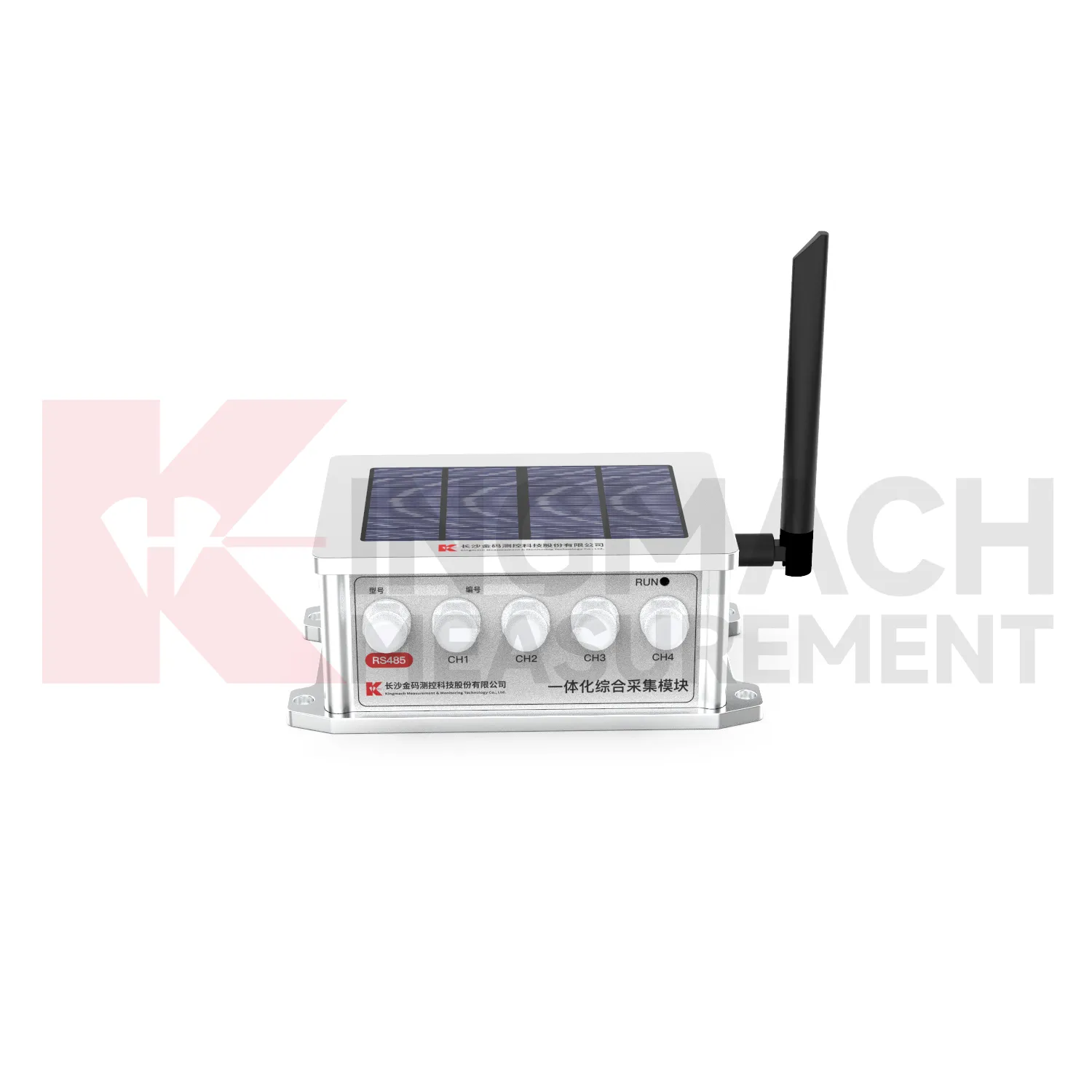
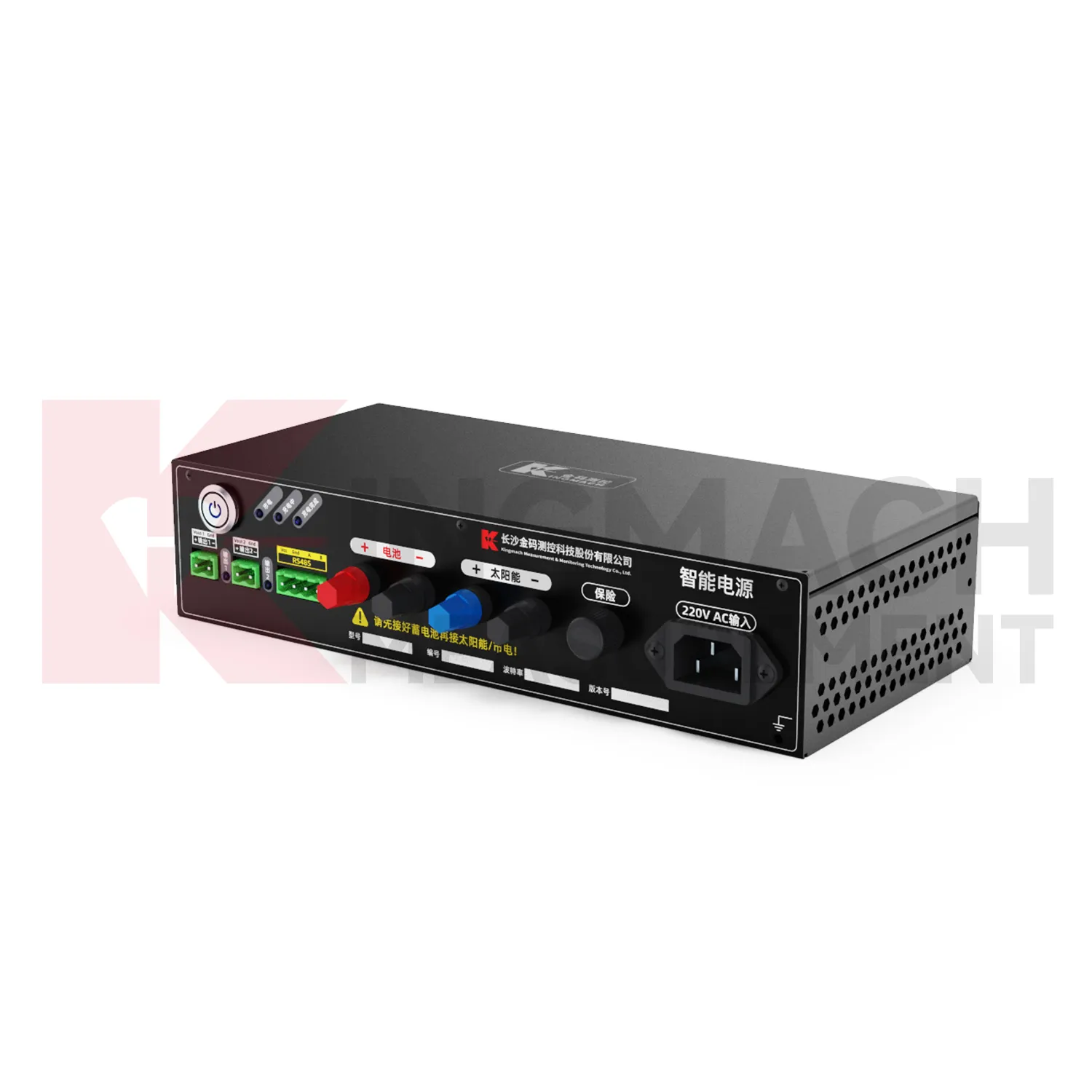
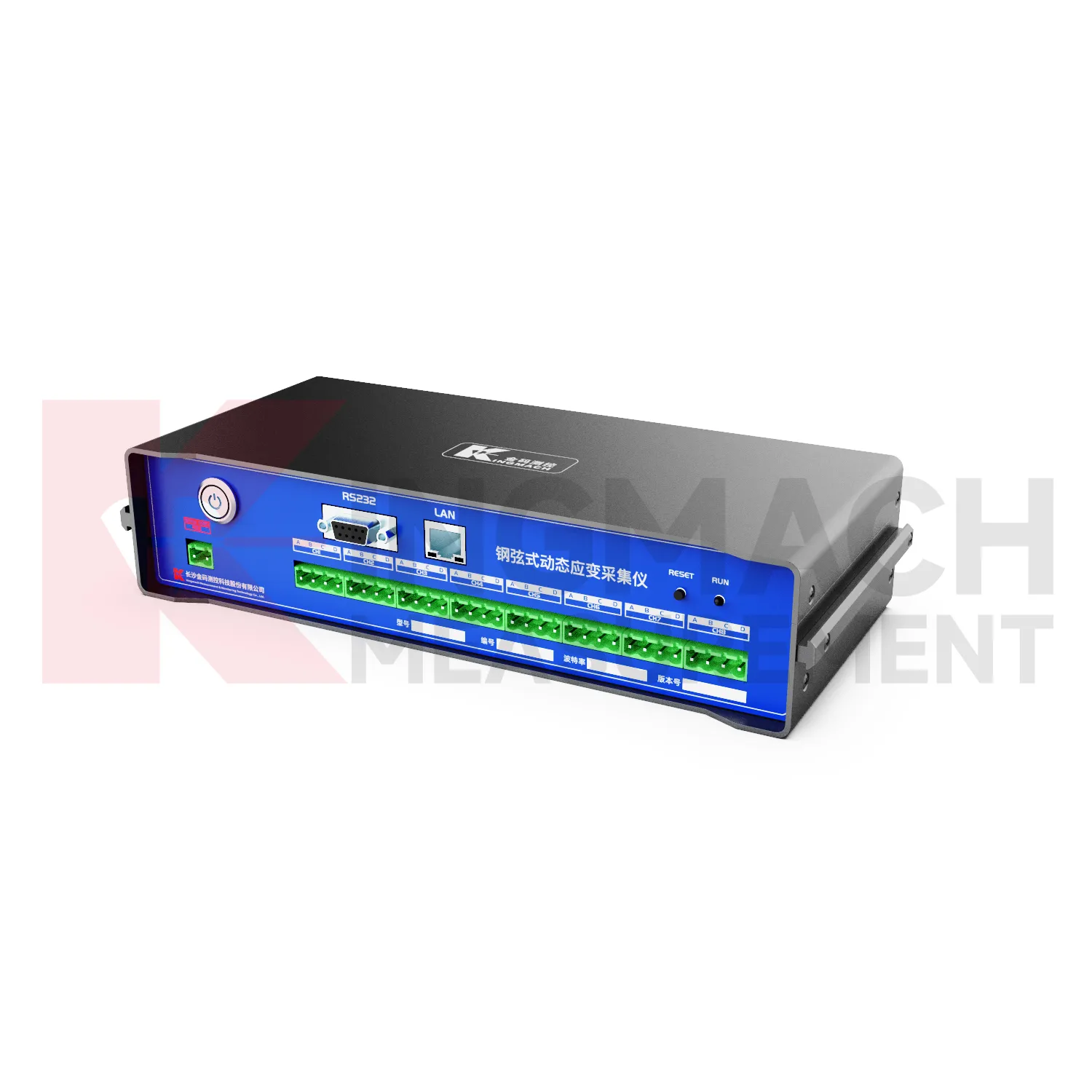
Kingmach Intelligent Power Module bring together measurement, storage, and communication functions for field monitoring. The category includes low-power wireless acquisition for remote digital sensors, synchronized dynamic strain logging, and portable readouts for on-site checks. Each device type serves a different part of the monitoring workflow. Low-power loggers reduce manual visits at remote stations. Dynamic loggers capture event behavior with synchronized channels. Portable readouts help field staff confirm sensor condition before the site is closed or the inspection route moves on. Buyers should connect these capabilities with project realities such as access restrictions, weather exposure, power availability, communication reliability, and the expected review frequency. A slope station with limited access, a tunnel with night work, and a bridge deck with traffic restrictions place different demands on the same acquisition category. The device should fit the way people actually reach the point, protect cables, power the station, and move data into review. This practical view helps teams select a readout or logger that supports field use, not only laboratory capability. In remote work, the maintenance route, enclosure position, antenna condition, and expected upload schedule can be just as important as the measurement circuit. In short-term testing, the device must also be easy to move, check, and export before the crew leaves the site.
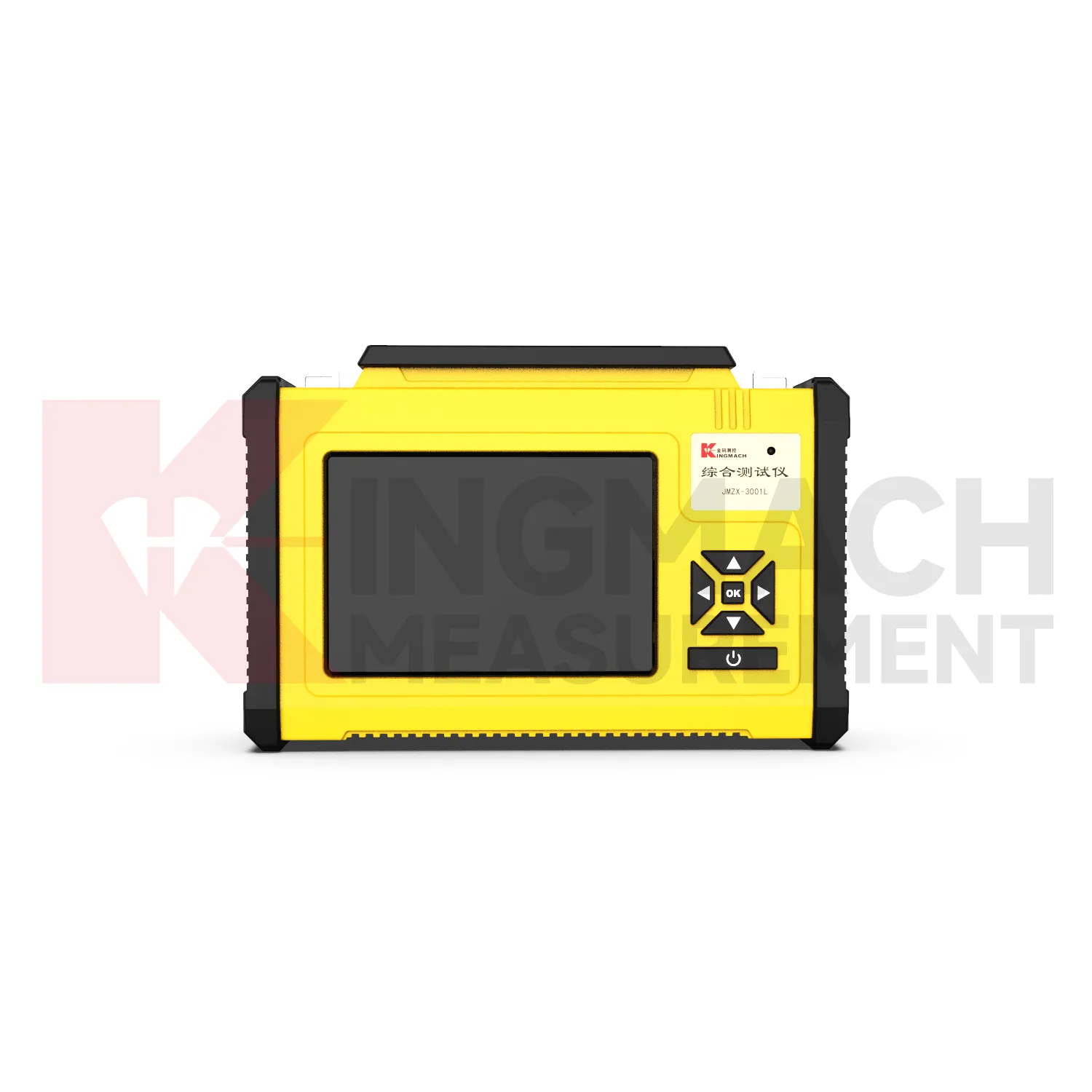
Application of Intelligent Power Module
Slope and foundation pit monitoring uses Kingmach Intelligent Power Module to keep displacement, load, pore pressure, rainfall, tilt, and structural response records organized. Field crews may use readouts to check sensors during excavation stages, anchor tensioning, drainage work, or inspection visits. Wireless loggers are useful when the site needs continuous records through rain, night shifts, or limited access periods. The acquisition interval should match the risk level and the construction stage. If excavation changes quickly, more frequent records may be needed; if the site is stable, routine intervals may be enough. A well-labeled data logger helps engineers compare changes with rainfall, excavation depth, support installation, and site photographs. In foundation pits, the monitoring record should follow construction sequence closely. Excavation depth, support installation, dewatering activity, anchor work, and heavy rainfall can all change the reading pattern. Acquisition equipment should help the team keep these events attached to the correct sensor group. This makes it easier to see whether a change belongs to construction progress, weather, support behavior, or a device issue. It also helps supervisors compare readings before and after excavation steps, temporary loading, rainfall response, and support adjustments without losing the site timeline. across the construction record. for later review. clearly.
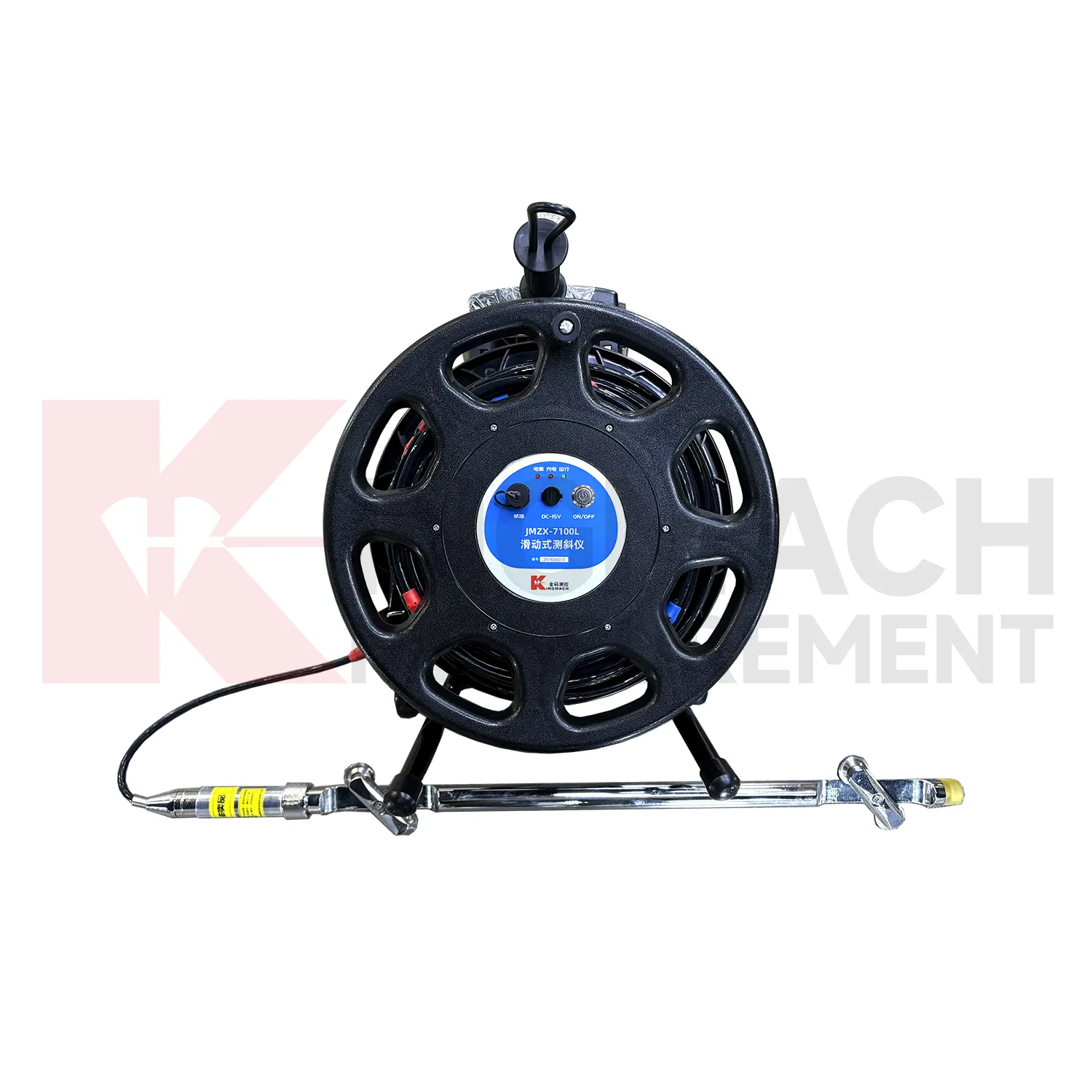
The future of Intelligent Power Module
Future Kingmach Intelligent Power Module will help owners manage mixed sensor networks. A single project may include vibrating wire sensors, digital bus instruments, temperature points, dynamic signals, environmental stations, and manual inspection notes. Future acquisition systems should make it easier to keep these records aligned by location, time, and engineering purpose. This will help reviewers understand relationships between movement, load, vibration, rainfall, temperature, and construction activity. A more organized data chain will make monitoring records easier to defend during operation, maintenance, and safety review. Mixed networks also need clearer grouping. Sensors that belong to a bridge pier, slope section, tunnel ring, or dam gallery should appear together in the acquisition history. When the system keeps related points connected, engineers can compare behavior across sensor types without losing the physical layout. That will make future reviews faster and more reliable. It also supports clearer reporting when owners review several assets in one program.
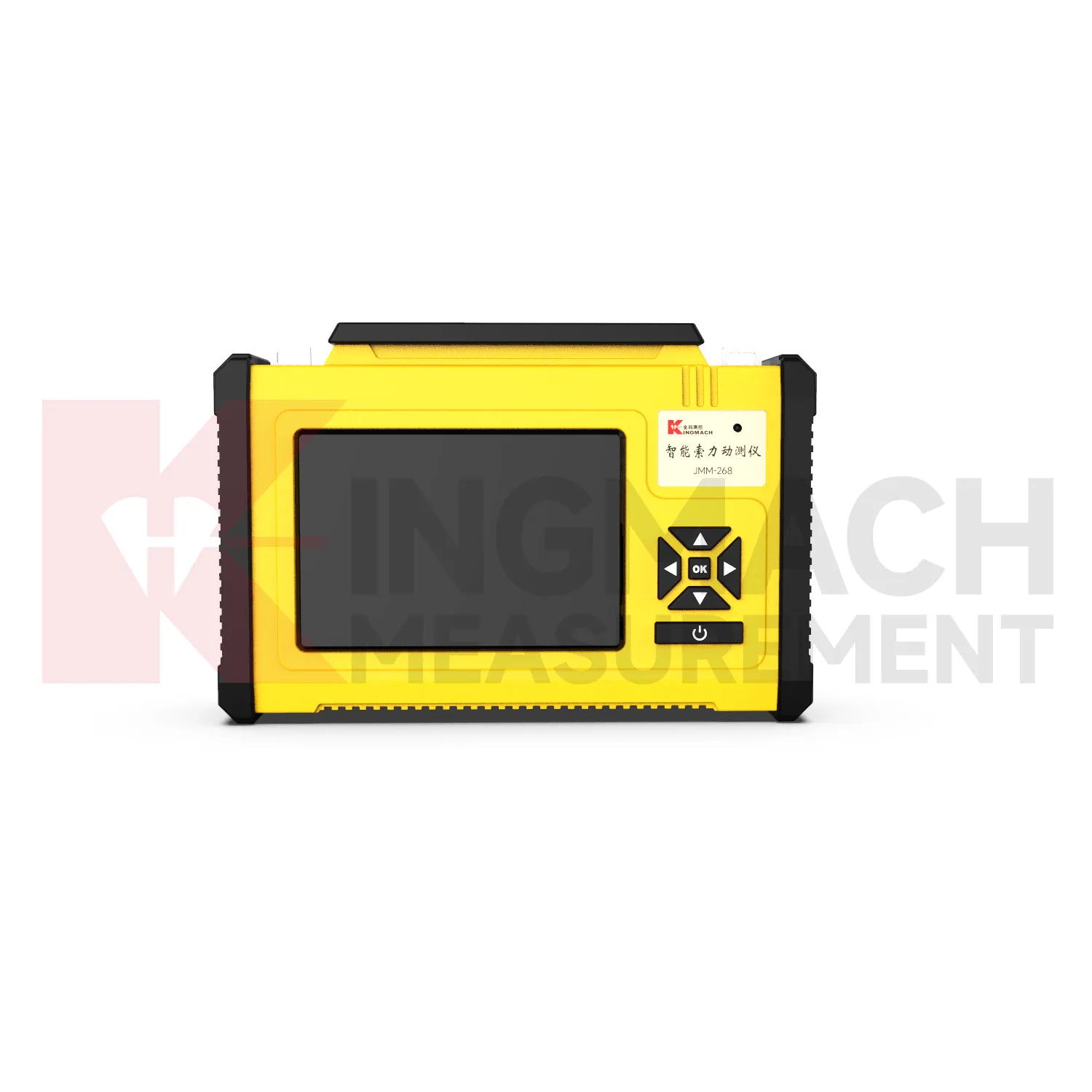
Care & Maintenance of Intelligent Power Module
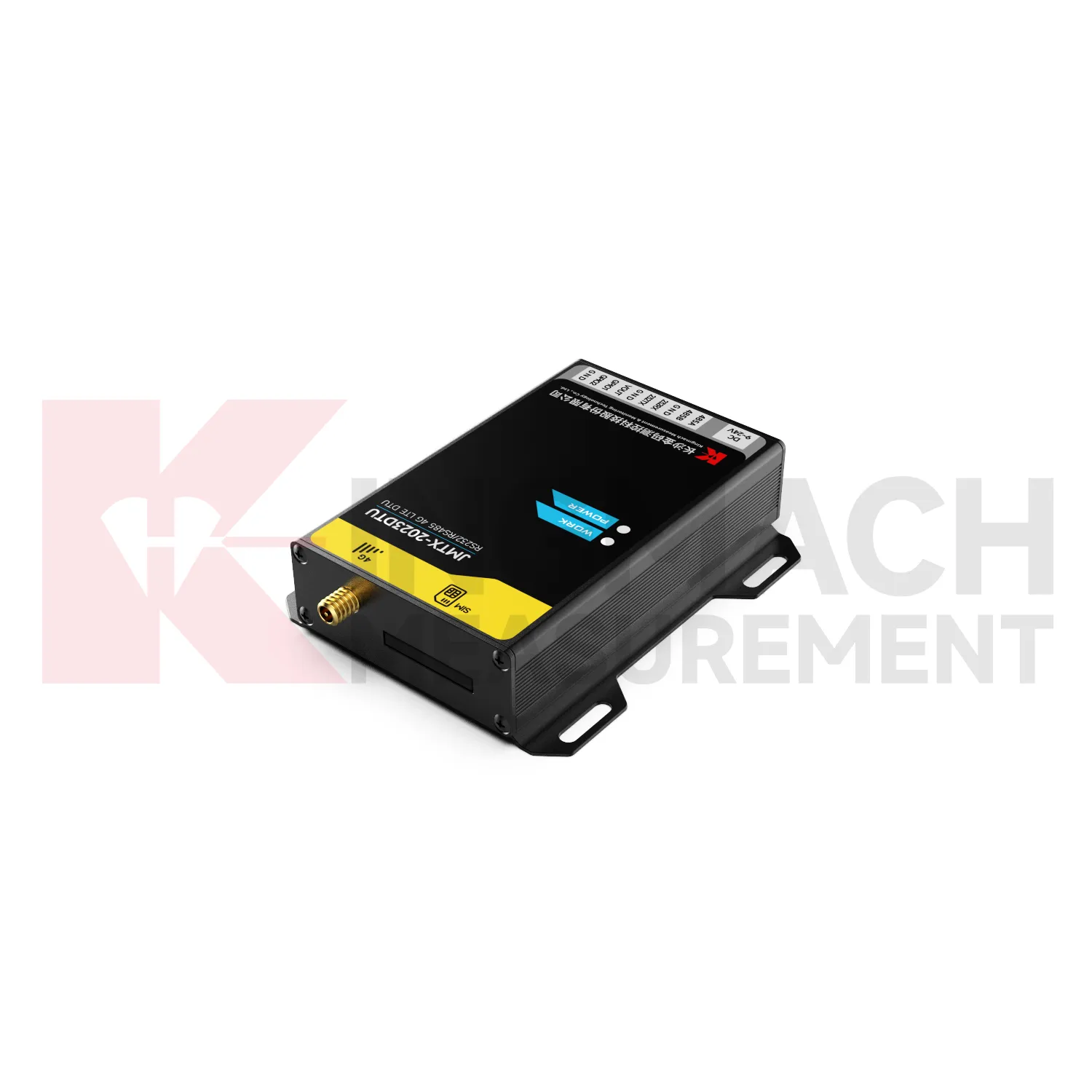
Wireless logger maintenance for Kingmach Intelligent Power Module should include communication and access checks. Remote stations may continue collecting locally even when uploads fail, or they may stop because power, antenna position, or platform settings changed. Maintenance teams should review signal status, last upload time, battery condition, local storage, and enclosure condition. If a station is in a slope, dam, tunnel, or bridge area with difficult access, visits should be planned around real device status rather than fixed habit alone. Clear station notes reduce unnecessary trips and protect data continuity. Wireless maintenance should also record whether data was recovered locally after an upload gap. If the platform shows missing records, the field file may still contain stored readings. Checking local storage before replacing parts can save time and preserve the monitoring history. Antenna position, signal quality, and upload schedule should remain visible in the station record. for later review. by owners. consistently.
Kingmach Intelligent Power Module
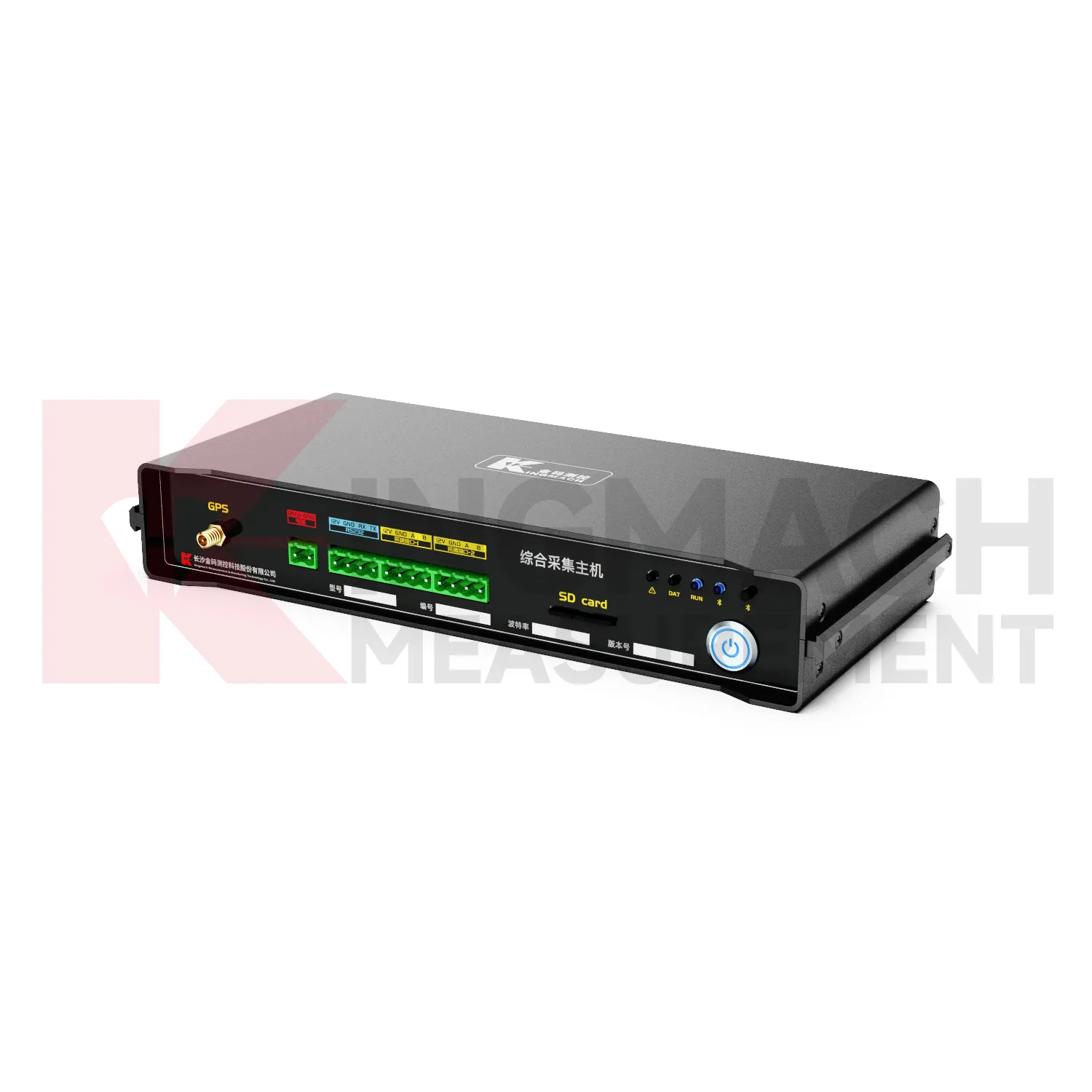
Kingmach Intelligent Power Module support both slow-changing and event-based monitoring. Settlement, temperature, and pore pressure may need scheduled acquisition over long periods. Vibration, dynamic strain, and construction events may need faster synchronized capture. A monitoring plan should match the acquisition method to the behavior being measured. If the device records too slowly, short events may be missed. If it records too often without purpose, the project may store more data than reviewers can use. The acquisition device should therefore fit the engineering question, the sensor type, and the review method. Slow monitoring needs dependable intervals, stable power, and clear long-term storage. Event monitoring needs timing, trigger notes, and channel synchronization. Treating these two needs separately helps the buyer avoid a weak setup and gives engineers a clearer record for later interpretation. For example, bridge vibration testing and long-term settlement logging should not be planned with the same acquisition logic. The device, interval, storage method, and review routine should follow the behavior being measured.
FAQ
Q: How should devices be maintained?
A: Maintain batteries, connectors, labels, cable routes, enclosures, communication settings, storage, and exported records according to site conditions.
Q: Why record setting changes?
A: A changed interval, communication method, channel name, or firmware state can affect later interpretation, so the date and reason should remain visible.
Q: Can data be reviewed remotely?
A: Wireless and platform-connected devices can support remote review when communication, power, upload settings, and channel identity are configured correctly.
Q: What makes long-term records useful?
A: Long-term records stay useful when baseline values, maintenance notes, device status, sensor locations, and normal behavior examples remain available.
Q: What should buyers ask suppliers?
A: Buyers should ask about sensor compatibility, channel capacity, power planning, storage, communication, export format, field protection, and after-sales support. The record stays useful when point names, channel labels, sensor type, measurement time, and field condition are kept together, because later reviewers can connect the number with the actual structure and inspection history.
Reviews
Christopher Martinez
Very satisfied with the readouts & data loggers. User-friendly interface and supports multiple sensor inputs.
James Thompson
The tiltmeters and accelerometers are very sensitive and provide precise data. Perfect for our structural health monitoring system.
Latest Inquiries
To protect the privacy of our buyers, only public service email domains like Gmail, Yahoo, and MSN will be displayed. Additionally, only a limited portion of the inquiry content will be shown.
Olivia***@gmail.comUnited States
Hello, we are currently sourcing high-precision strain gauges and load cells for a bridge monitoring...
Emma***@gmail.comCanada
Dear Sir/Madam, we are interested in displacement transducers and settlement sensors for a geotechni...
Related product categories
- Embedded Central Data Acquisition Host
- Digital Temperature Acquisition Module
- Piezoelectric Signal Conditioning Module
- Strain Signal Conditioning Module
- Vibration Signal Conditioning Module
- Multichannel Dynamic Signal Acquisition Module
- Vibration Signal Acquisition Module
- Strain Signal Acquisition Module
- Multichannel Temperature Acquisition Module
- Isolated Temperature Acquisition Module
- Highprecision Temperature Acquisition Module
- Industrialgrade Central Acquisition Module