
 EN
 ar
 bg
 hr
 cs
 da
 nl
 fi
 fr
 de
 el
 hi
 it
 ko
 no
 pl
 pt
 ro
 ru
 es
 sv
 tl
 iw
 id
 lv
 lt
 sr
 sk
 sl
 uk
 vi
 et
 hu
 th
 tr
 fa
 ms
 hy
 ka
 ur
 bn
 mn
 ta
 kk
 uz
 ku

electronic inclinometer
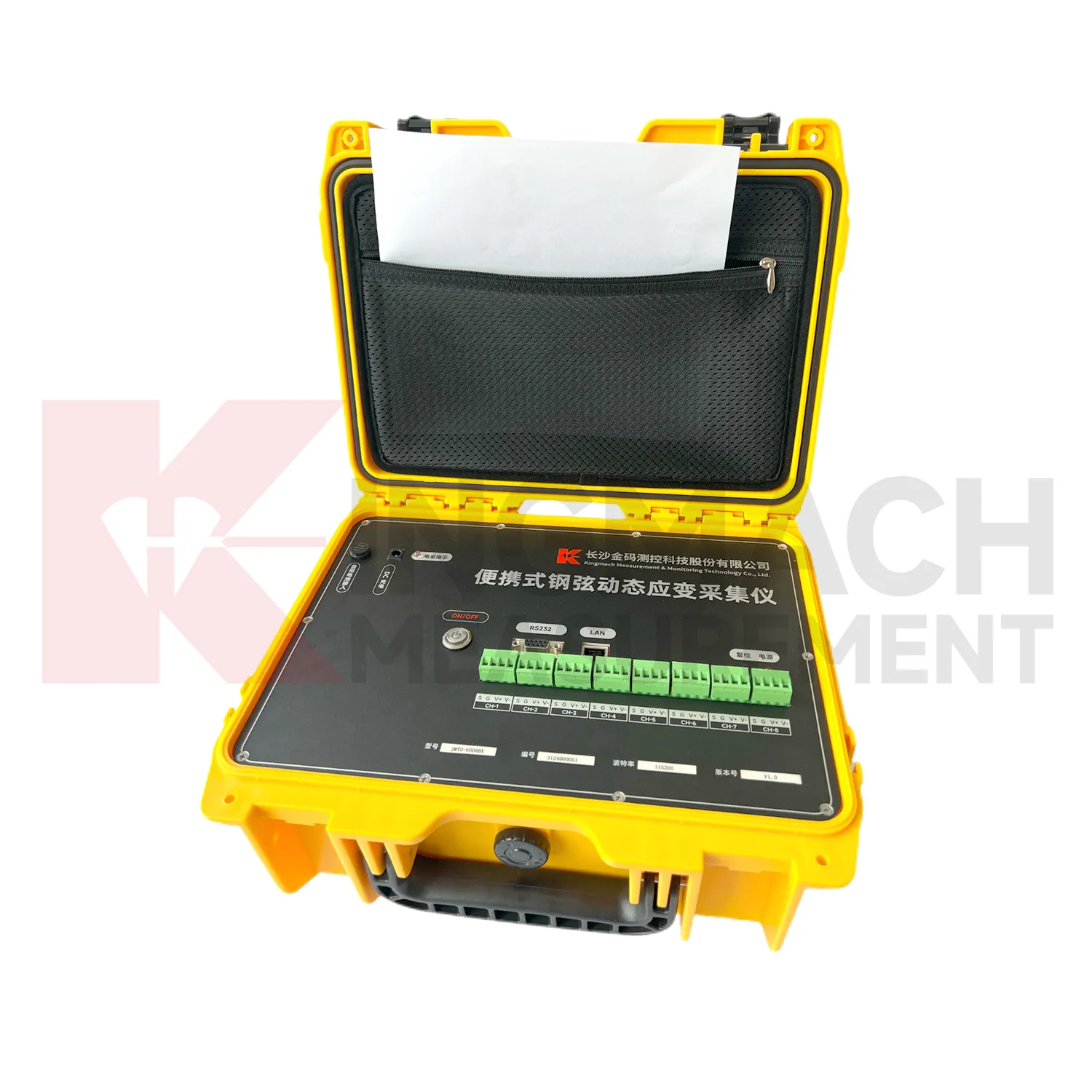
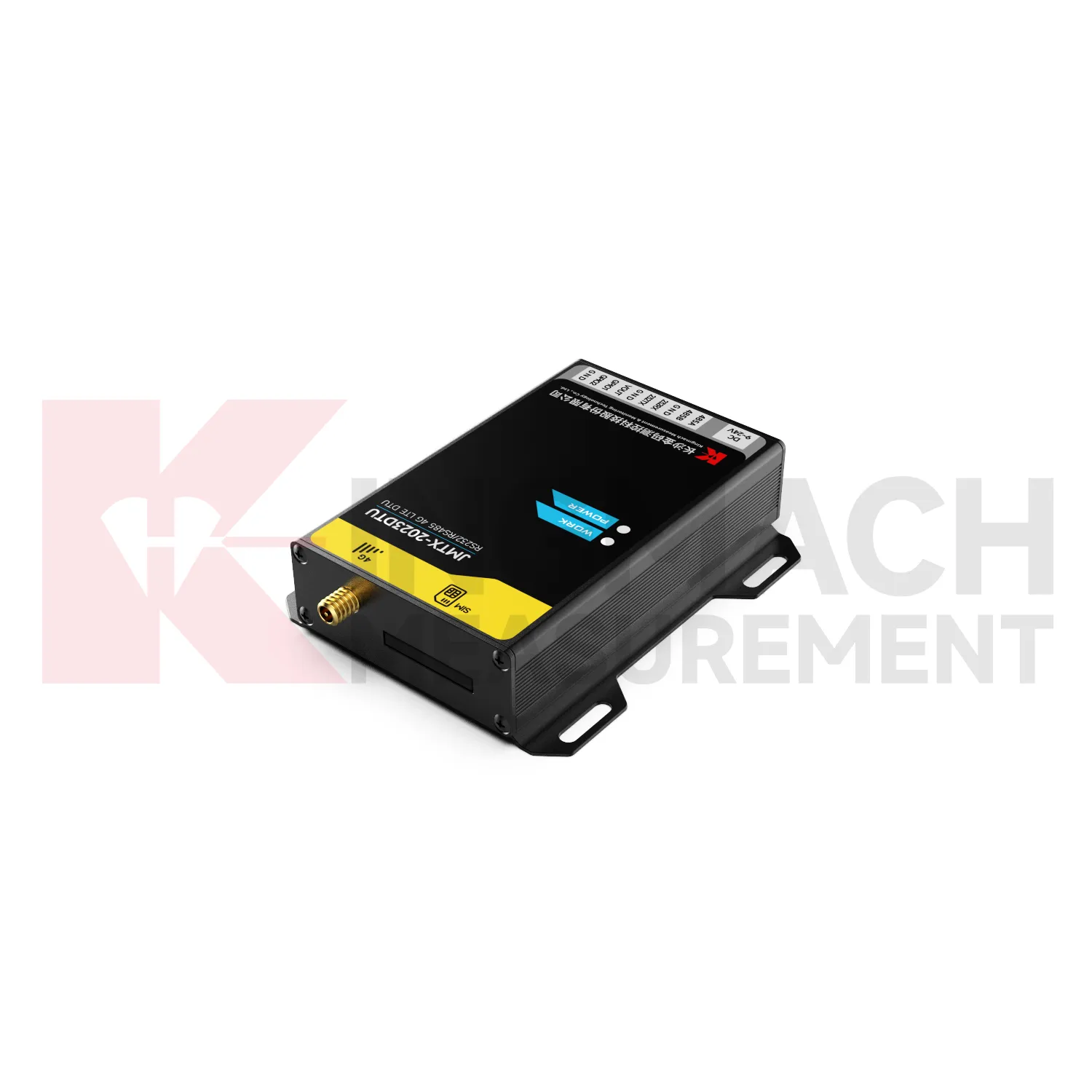
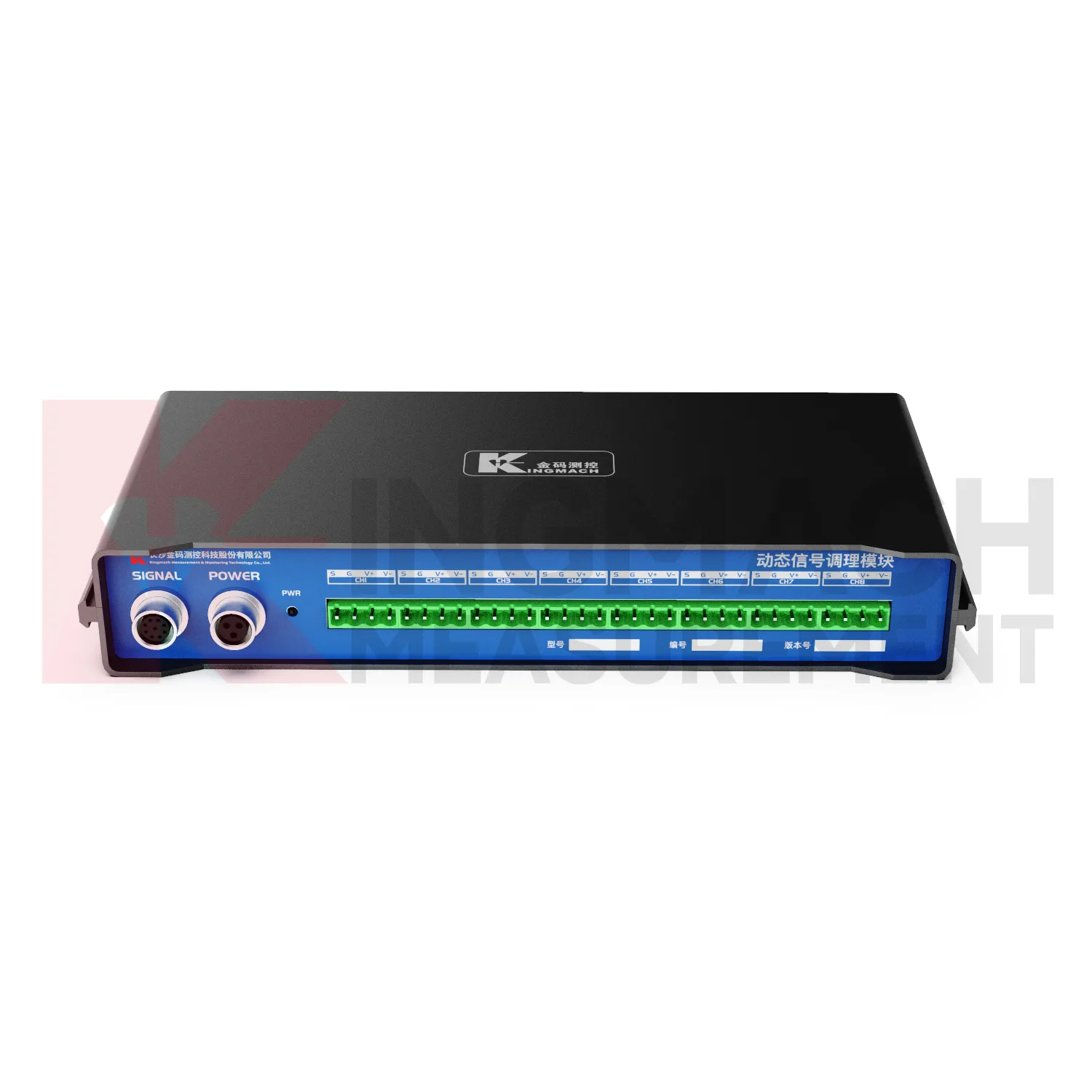
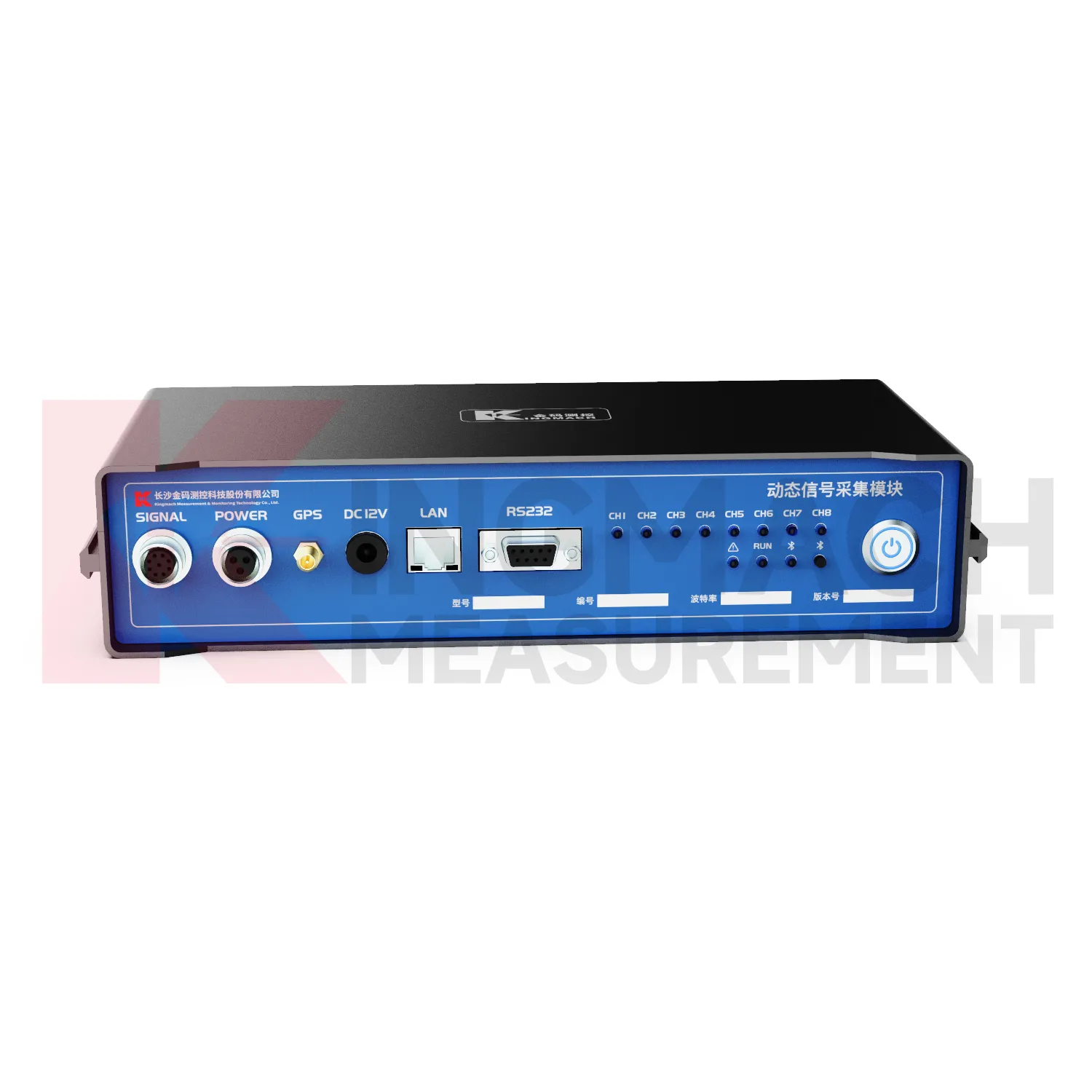
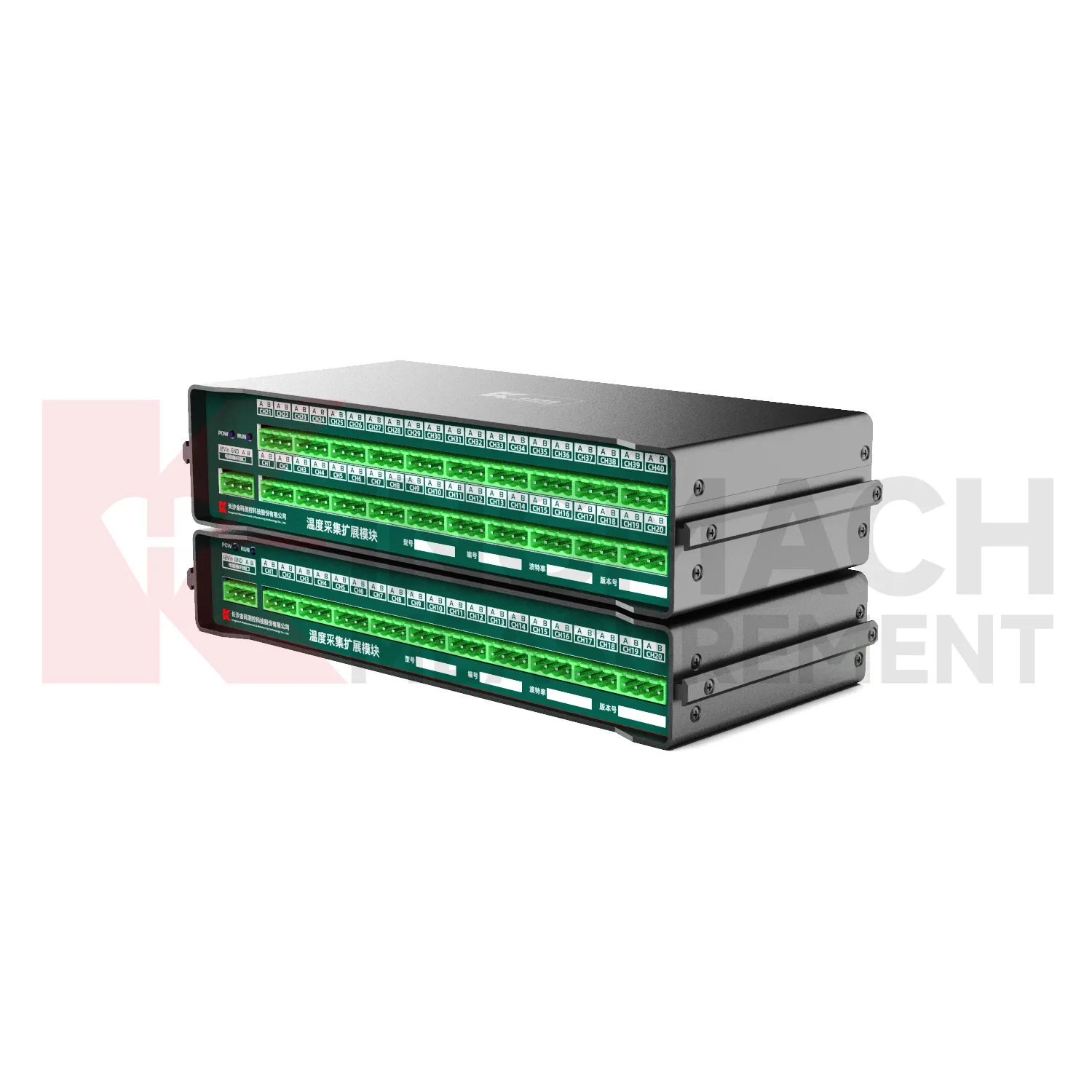
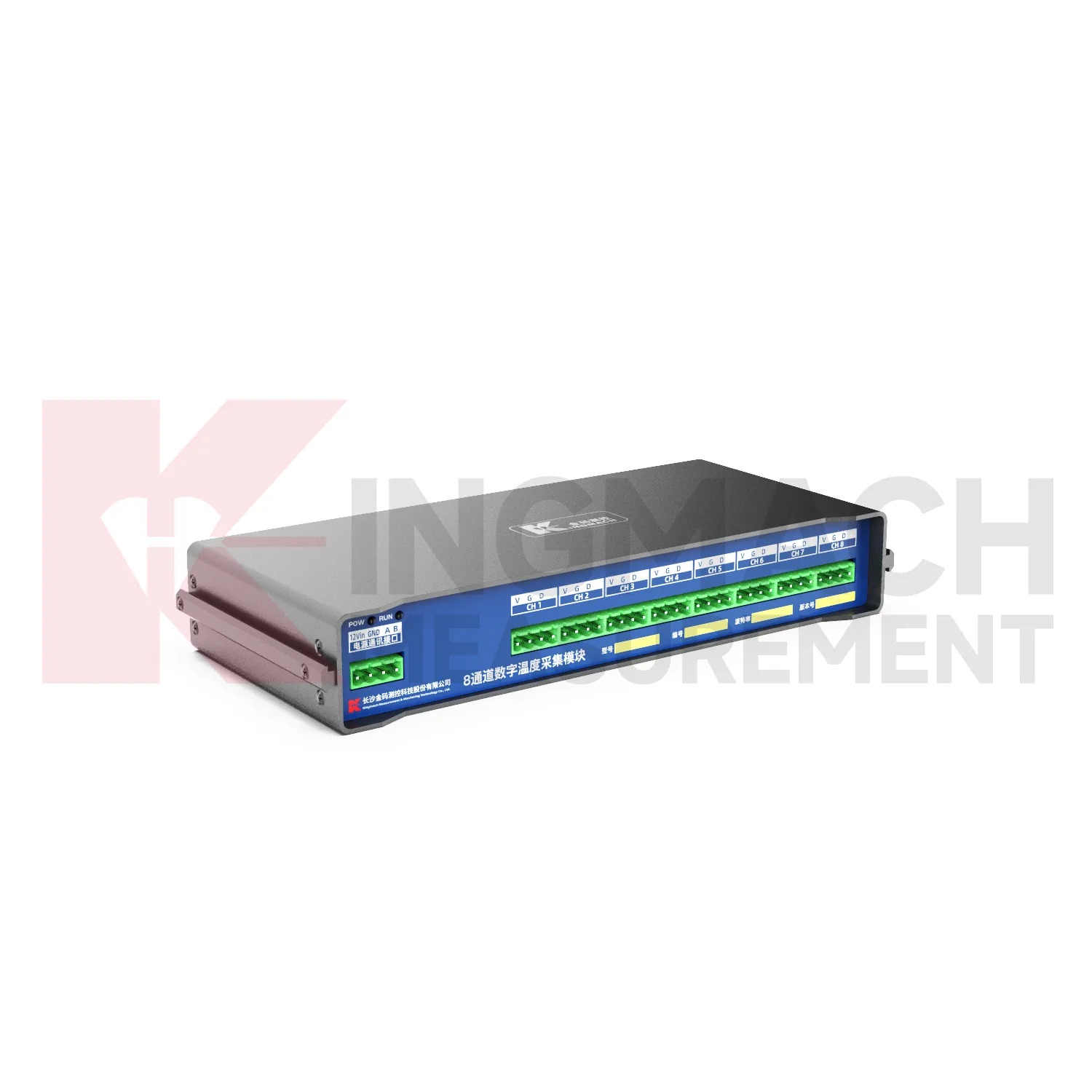
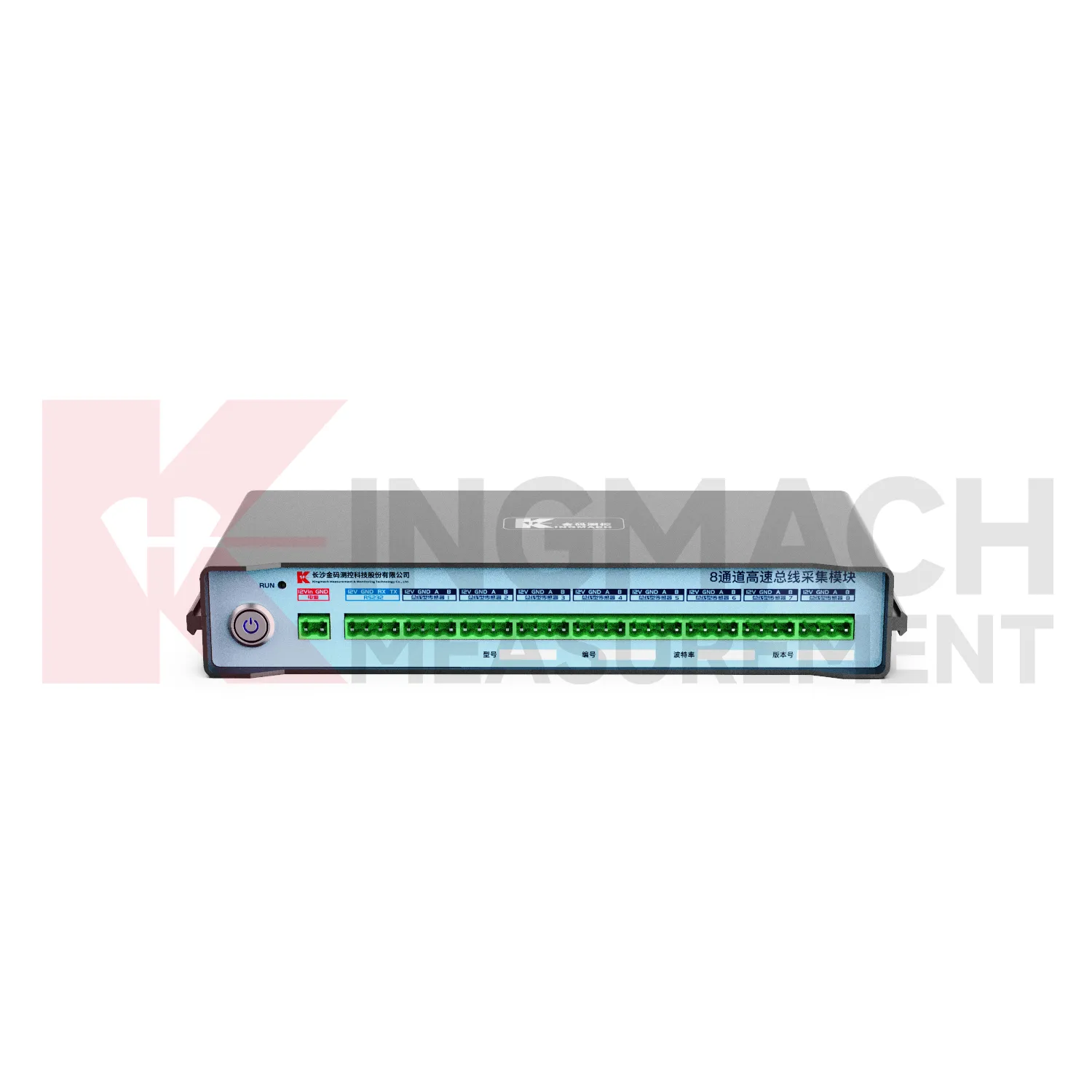
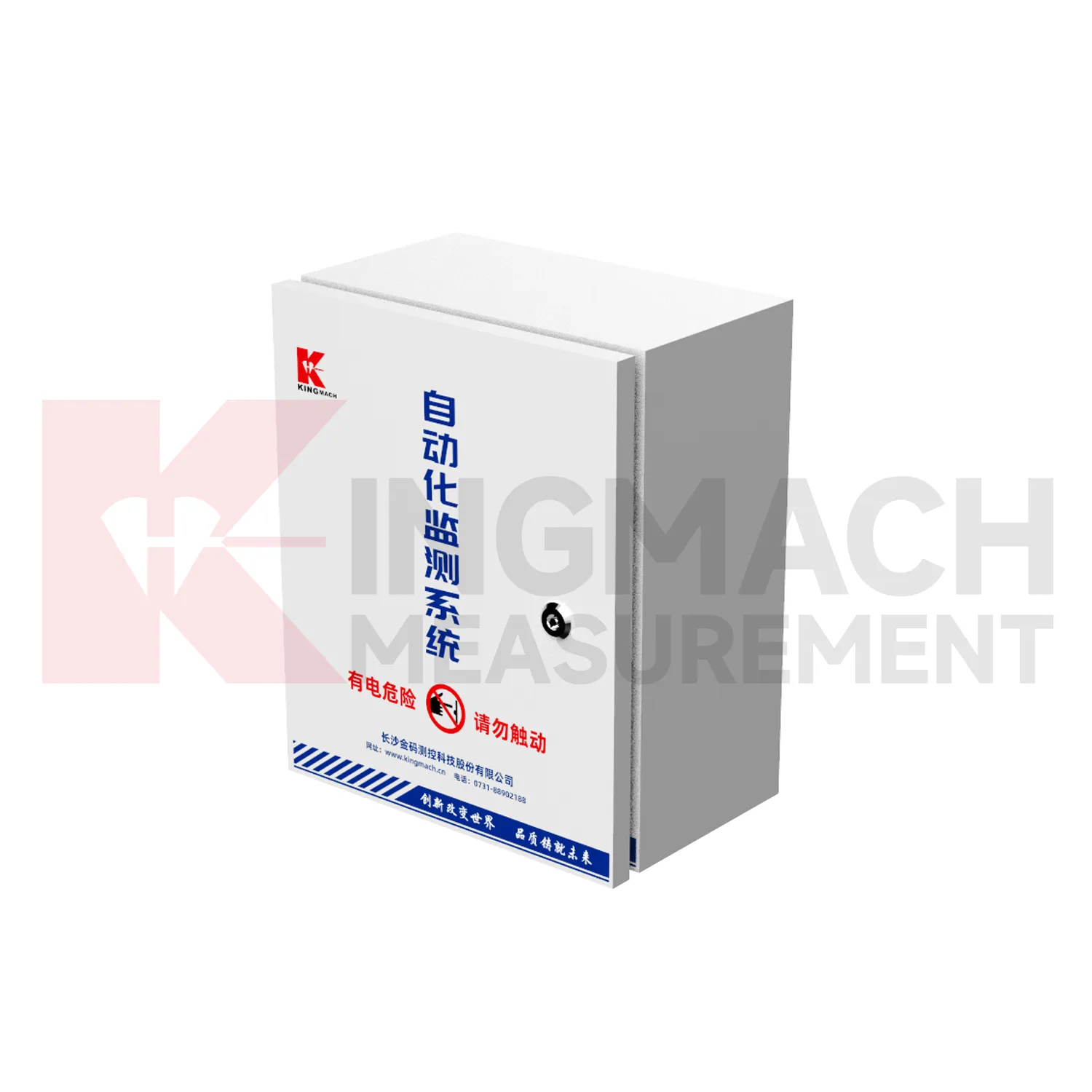
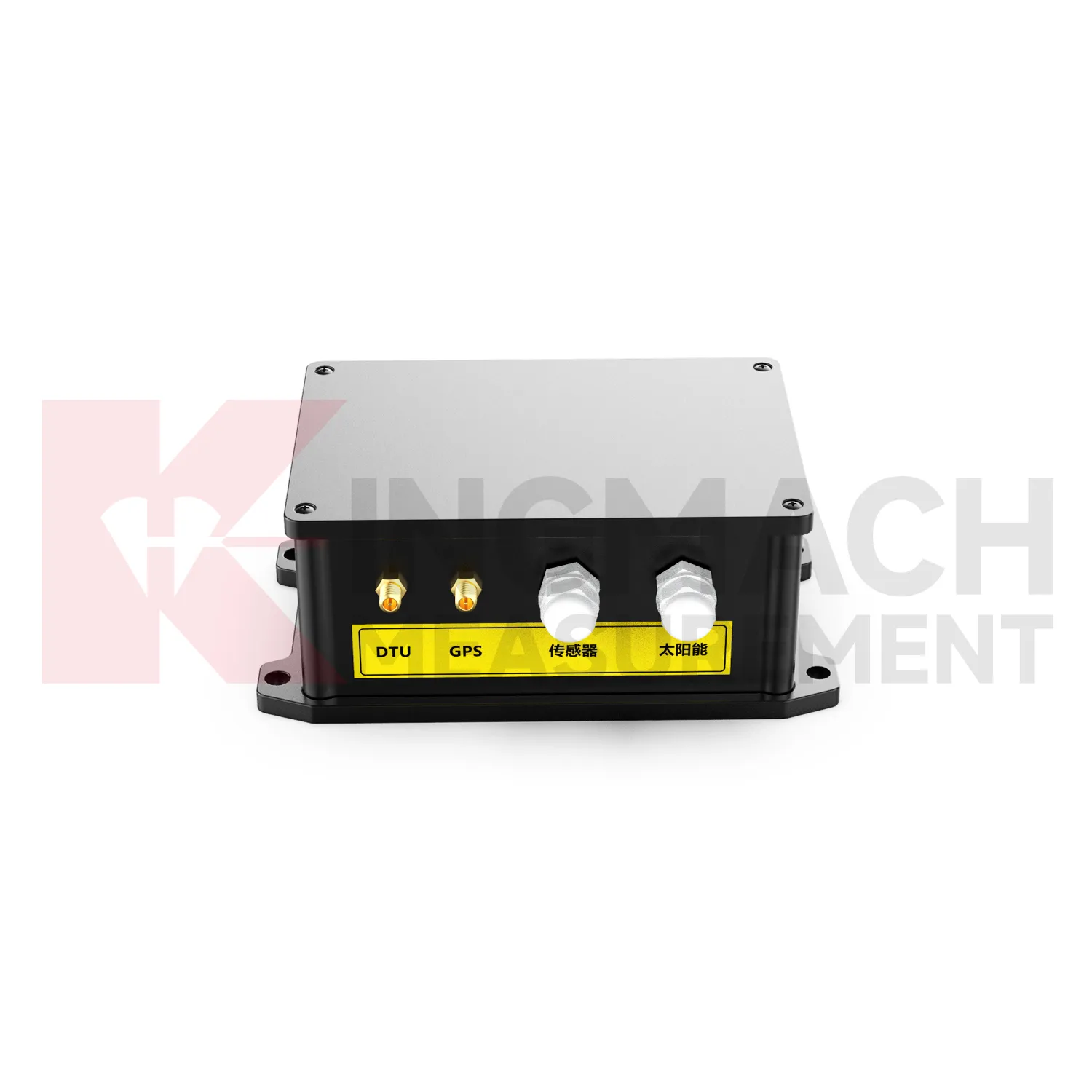
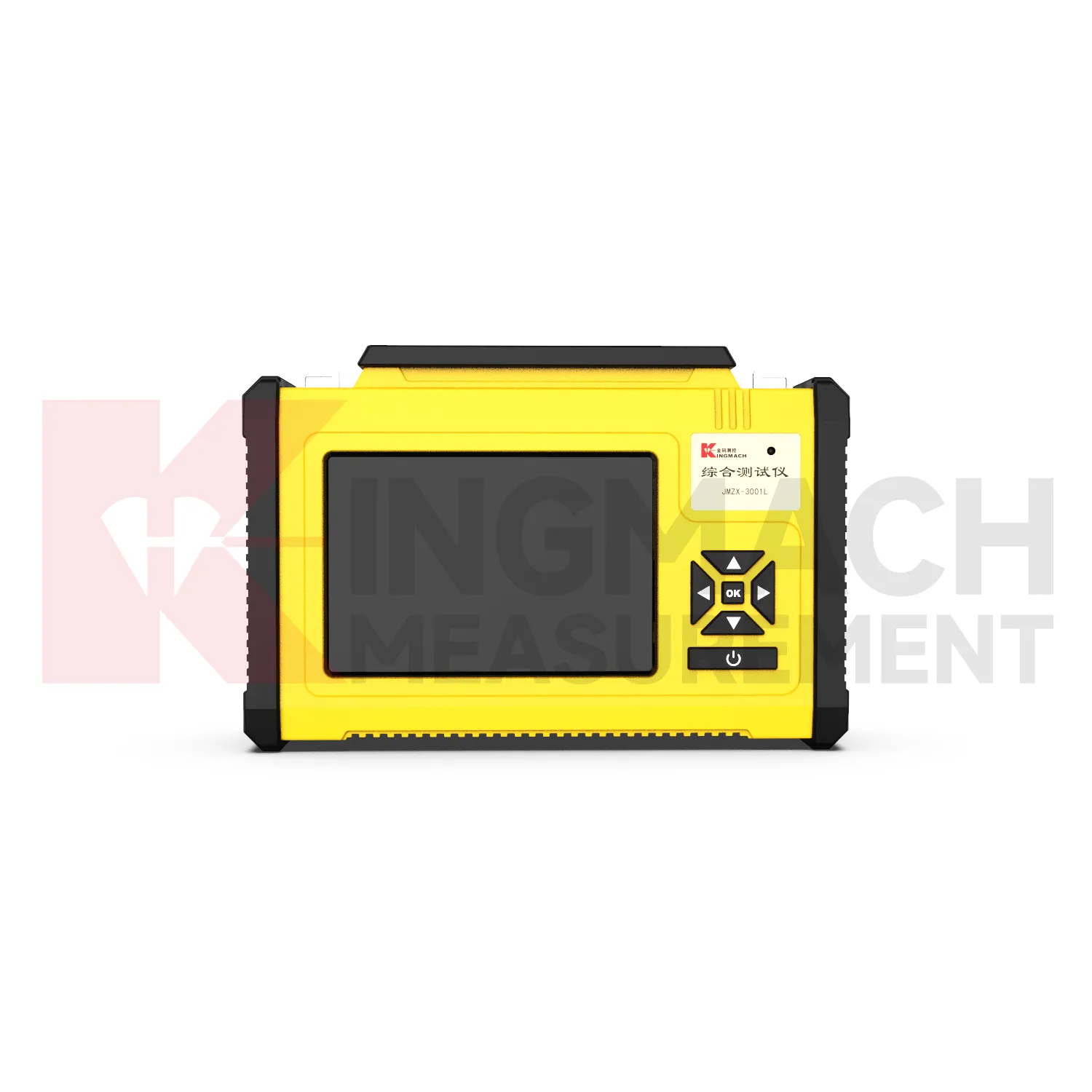
Kingmach electronic inclinometer bring together measurement, storage, and communication functions for field monitoring. The category includes low-power wireless acquisition for remote digital sensors, synchronized dynamic strain logging, and portable readouts for on-site checks. Each device type serves a different part of the monitoring workflow. Low-power loggers reduce manual visits at remote stations. Dynamic loggers capture event behavior with synchronized channels. Portable readouts help field staff confirm sensor condition before the site is closed or the inspection route moves on. Buyers should connect these capabilities with project realities such as access restrictions, weather exposure, power availability, communication reliability, and the expected review frequency. A slope station with limited access, a tunnel with night work, and a bridge deck with traffic restrictions place different demands on the same acquisition category. The device should fit the way people actually reach the point, protect cables, power the station, and move data into review. This practical view helps teams select a readout or logger that supports field use, not only laboratory capability. In remote work, the maintenance route, enclosure position, antenna condition, and expected upload schedule can be just as important as the measurement circuit. In short-term testing, the device must also be easy to move, check, and export before the crew leaves the site.
Application of electronic inclinometer
Railway, subway, and transportation projects use Kingmach electronic inclinometer to capture sensor readings during dynamic loading, construction disturbance, and long-term operation. Portable acquisition instruments can be used for vibration or strain events during train passage, while fixed loggers can record settlement, displacement, tilt, or environmental changes along monitored sections. The device should support clear channel naming because many points may be installed along a line, tunnel, bridge, or station box. Timing is also important: event records need enough resolution to connect the measured response with traffic or construction activity. A disciplined acquisition workflow helps owners compare repeated events instead of treating each reading as isolated. Transport monitoring often depends on matching measurement time with operating schedules. A train passage, platform work, nearby excavation, or maintenance closure can explain a short response that would be confusing in a monthly trend alone. The acquisition record should therefore keep route section, structure name, event time, sensor group, and operating note together. This helps engineers compare repeated passages and identify changes that deserve field inspection. For subway and railway assets, this is useful when night work, train intervals, tunnel ventilation, and station activity change the background condition around the sensors. during later technical review. safely.
The future of electronic inclinometer
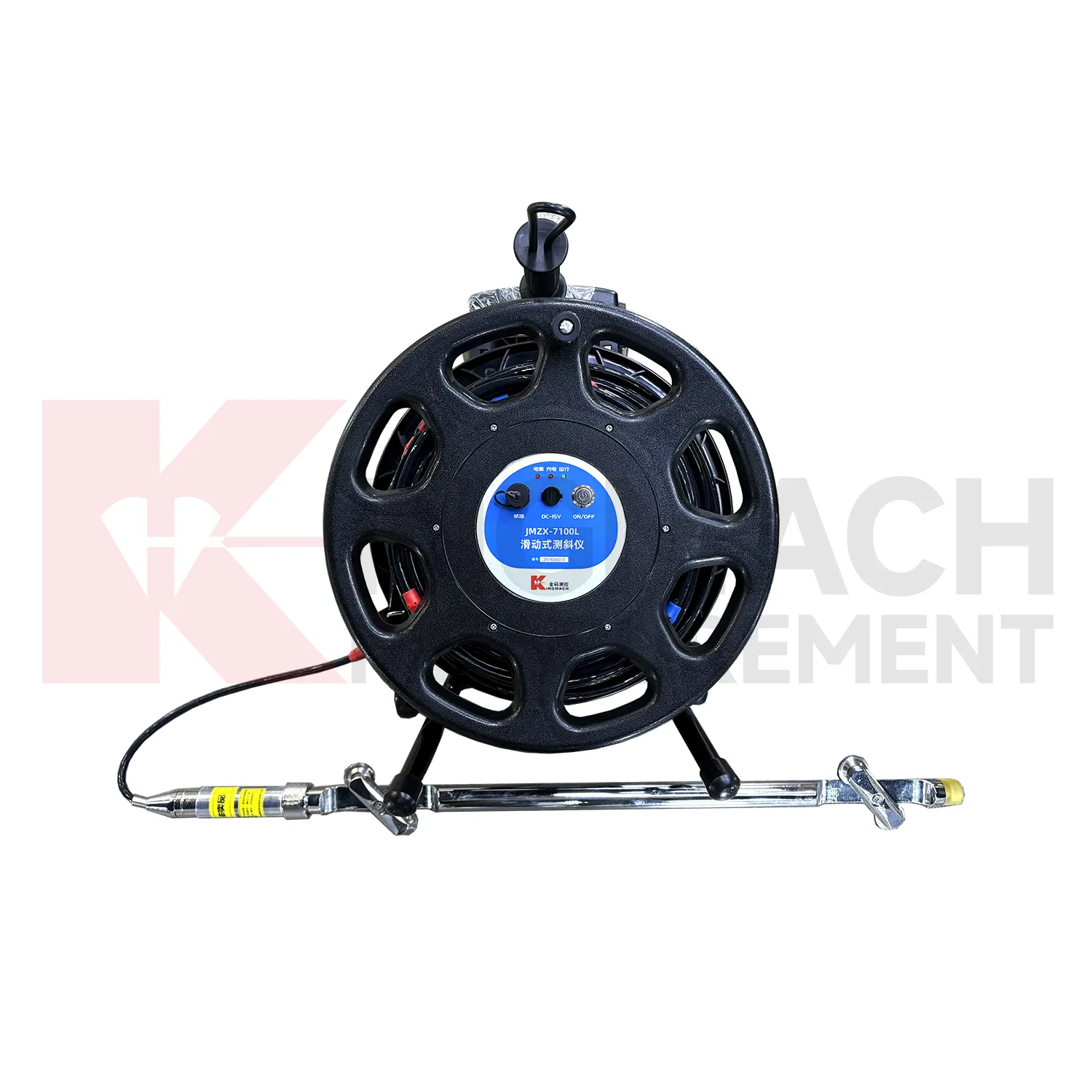
Future Kingmach electronic inclinometer will put more attention on data handover. Monitoring projects often outlast the team that installed the sensors. Future readouts and loggers should support records that remain understandable after staff changes, repairs, and platform updates. A handover package can include sensor lists, channel maps, baseline values, acquisition intervals, communication settings, and examples of normal readings. When this information stays connected with the data logger history, the owner can continue review without guessing how the system was configured. Digital handover should also record what changed after installation. If a logger is replaced, a channel is renamed, or an interval is adjusted, the station history should show the reason and date. This keeps the monitoring file usable for future contractors, maintenance teams, and asset managers. A good handover record can prevent repeated troubleshooting and helps new teams understand the monitoring logic before they make changes. during operation safely. over time.
Care & Maintenance of electronic inclinometer
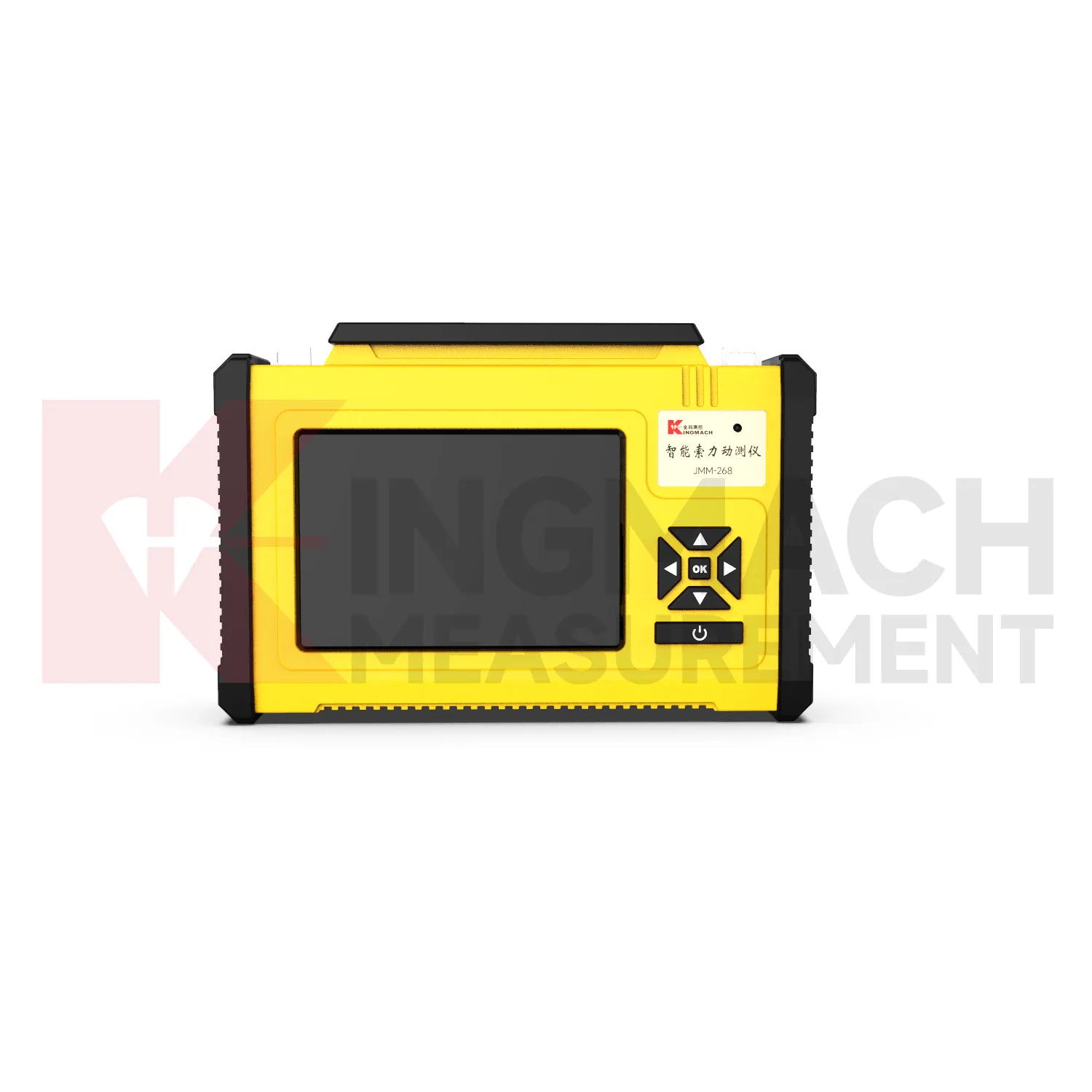
Care and maintenance of Kingmach electronic inclinometer should begin with channel and point identity. Every readout or logger record should match the physical sensor point, cable label, channel name, and project location. If labels fade, cables are moved, or channel names are changed without notes, later reviewers may not know which structure or sensor produced the value. Maintenance staff should keep updated channel lists, point photos, and connection diagrams. After a repair or reconnection, the first stable reading should be saved with a note about the work performed. This protects the monitoring history from avoidable confusion. Identity checks are especially important after sensor replacement or cabinet work. A technician should confirm the physical point before accepting a reading, then update the channel map if anything changed. This simple habit prevents a good value from being assigned to the wrong structure. during later review. by engineers and owners. over time. safely. clearly.
Kingmach electronic inclinometer
Kingmach electronic inclinometer connect field instruments with usable monitoring records for structural and geotechnical projects. A sensor may measure strain, displacement, tilt, temperature, vibration, pressure, or water behavior, but the engineering team still needs a dependable way to collect, display, store, and transfer that information. Readouts help technicians verify a point during installation or inspection, while data loggers support automatic acquisition over longer periods. The category is therefore part of the measurement chain, not an accessory afterthought. In bridges, tunnels, slopes, dams, buildings, and foundation pits, the quality of the record depends on channel naming, sensor compatibility, acquisition timing, power stability, communication status, and review discipline. A strong acquisition device keeps the sensor value connected with its physical location and measurement purpose. That connection helps the project team compare trends, review field events, and maintain confidence after the original installation team leaves.
FAQ
Q: What are Readouts & Data Loggers used for?
A: They collect, display, store, and transfer sensor readings so engineering teams can review monitoring data from structural, geotechnical, and industrial projects.
Q: How are readouts different from data loggers?
A: Readouts are often used for field checking and portable measurement, while data loggers support automatic acquisition, scheduled records, and longer monitoring periods.
Q: Which sensors can be connected?
A: The category can support vibrating wire sensors, digital RS485 sensors, temperature points, dynamic signals, strain instruments, displacement sensors, tilt sensors, and other monitoring devices depending on the model.
Q: Why is channel naming important?
A: Clear channel names connect each reading with the correct sensor, location, structure, and review purpose, which prevents confusion during reporting and handover.
Q: What should be checked before purchase?
A: Buyers should define sensor type, channel count, acquisition interval, power supply, communication method, storage needs, site access, and reporting workflow.
Reviews
Daniel Brown
Excellent environmental monitoring sensors. The data is consistent, and the system integrates smoothly with our existing setup.
Joshua Clark
We ordered a full monitoring solution including sensors and data loggers. Everything works seamlessly together. Great supplier!
Latest Inquiries
To protect the privacy of our buyers, only public service email domains like Gmail, Yahoo, and MSN will be displayed. Additionally, only a limited portion of the inquiry content will be shown.
Isabella***@gmail.comGermany
Hello, we are evaluating weir flow meters for a water management project. Please share accuracy deta...
Mia***@gmail.comNetherlands
Dear team, we are interested in your readouts & data loggers compatible with multiple sensors. Do yo...
Related product categories
- data acquisition modules
- modular data acquisition system
- modular acquisition
- portable data acquisition module
- signal acquisition and actuation module
- temperature acquisition module
- wireless acquisition module
- modular automation acquisition
- Multi-channel integrated data acquisition module
- Comprehensive Acquisition Host Unit
- Dynamic signal conditioning module
- Dynamic signal acquisition module