
 EN
EN
 ar
ar bg
bg hr
hr cs
cs da
da nl
nl fi
fi fr
fr de
de el
el hi
hi it
it ko
ko no
no pl
pl pt
pt ro
ro ru
ru es
es sv
sv tl
tl iw
iw id
id lv
lv lt
lt sr
sr sk
sk sl
sl uk
uk vi
vi et
et hu
hu th
th tr
tr fa
fa ms
ms hy
hy ka
ka ur
ur bn
bn mn
mn ta
ta kk
kk uz
uz ku
ku
Rock/Soil Strain Gauges
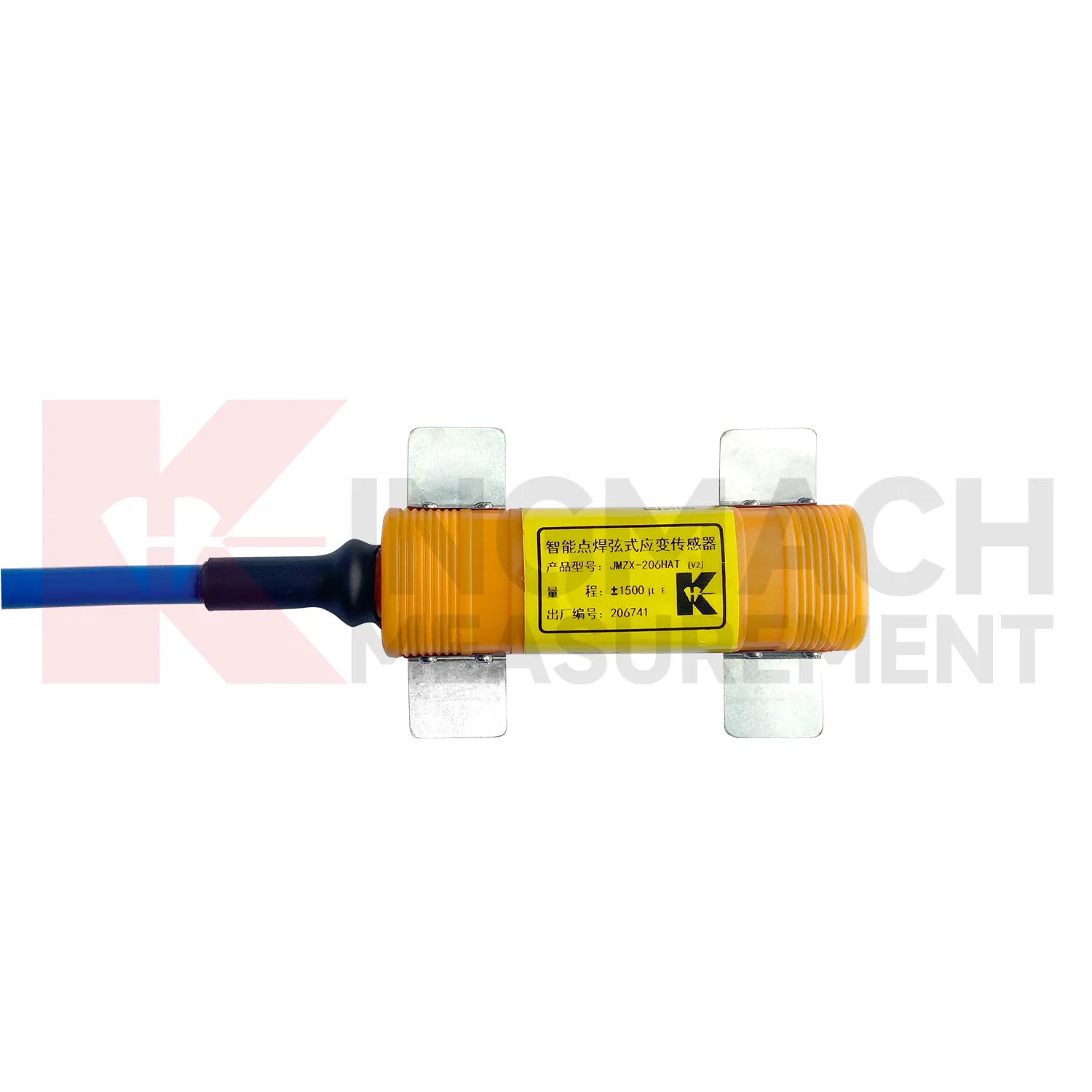
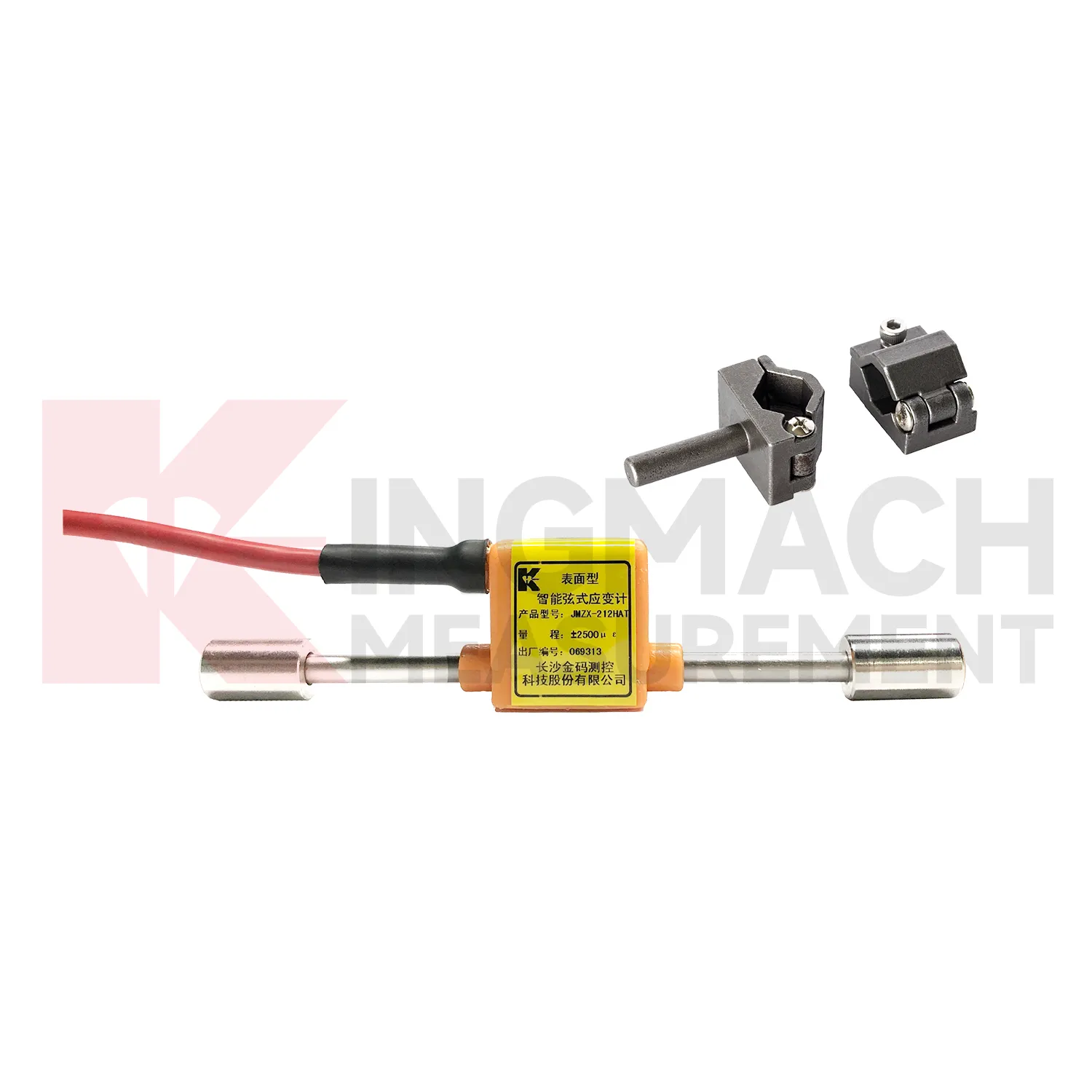
Kingmach {keyword} is not a single stand alone item; it is part of a measurement chain. Surface gauges, embedded gauges, welded gauges, and rebar strainmeters can be paired with comprehensive readout units, automated acquisition modules, wireless loggers, instrumentation cables, and cloud monitoring platforms. That matters on infrastructure projects where one weak link can distort the whole strain record. The surface model offers ±2500 microstrain range and 0.1 microstrain resolution, while the embedded model offers ±1500 microstrain range for internal concrete measurement. The welded model stores up to 800 records and supports digital transmission. These features help engineers choose a model based on structure type, installation access, exposure condition, and required data path. Kingmach's role as a structural health monitoring manufacturer gives buyers one source for sensors, acquisition, and long term field support. The product family also supports different buyer intents. Some searches focus on a strain gauge sensor, others on a force related strain gauge load cell, a data logger, or a manufacturer. The same Kingmach range connects those needs through measured strain data. A clear specification record reduces confusion when the same project uses surface, embedded, welded, and rebar based instruments together. That is why model data, calibration values, and channel labels should travel with the product from procurement to commissioning.
Application of Rock/Soil Strain Gauges
In industrial equipment and load testing, {keyword} can be used on presses, cranes, conveyor frames, lifting fixtures, test beams, calibrated force elements, and strain gauge load cell assemblies. The pain point is uneven force distribution, overload, fatigue, or misalignment that may not be visible during operation. Kingmach surface gauges offer 0.5%F.S. strain accuracy and 0.1 microstrain resolution, while the welded model's low height design helps reduce bending deformation errors on steel members. For force related monitoring, strain readings can support load calculation when the mechanical element and calibration method are properly designed. Data can be read through comprehensive readouts or automated acquisition modules, giving maintenance teams a usable record during factory testing, equipment commissioning, or repeated service checks. For procurement teams, the equipment package behind the sensor should be clear: the gauge, cable, readout, acquisition unit, communication device, platform access, and maintenance record. For field use, the strain point should be named, mapped, protected, and reviewed with nearby sensors before any alarm is judged. The same record can support staged construction control, post event inspection, and long term maintenance planning. When data is collected automatically, engineers can compare daily movement instead of relying on occasional manual readings.
The future of Rock/Soil Strain Gauges
In building and underground projects, {keyword} will become more closely tied to construction stage control. Excavation, concrete pouring, temporary support removal, and equipment installation all change strain behavior. Kingmach embedded gauges, rebar strainmeters, and welded gauges can feed readings into automated systems during each stage. Future platforms may connect those readings with BIM models or digital twin views, so engineers can see which member, brace, lining, or reinforcement cage is changing. This is where AI warning analysis can help, provided it uses site events and nearby sensor data rather than a blind alarm threshold. The product direction is clear: more context, better records, and faster field decisions. Digital twin adoption will also increase demand for strain readings that are tied to exact structural locations, not vague channel names or disconnected spreadsheets. The strongest gains will come from cleaner records and faster fault checks. Those improvements fit long term infrastructure monitoring better than one time testing.
Care & Maintenance of Rock/Soil Strain Gauges
For long term monitoring, {keyword} should be checked as part of the whole measurement chain, not only as a sensor body. Kingmach surface and embedded vibrating wire gauges provide 0.1 microstrain resolution and 0.5%F.S. accuracy, but those numbers depend on stable mounting, protected wiring, and correct acquisition settings. During use, review baseline trends, compare nearby channels, and note construction events, traffic changes, or temperature swings. Do not reset the baseline casually after unusual weather or heavy loading. For waterproof models rated to 150 meters, still inspect cable exits and seals because most field failures start at connection points. A clean, named, time stamped record is often the best maintenance tool. This is especially important when the gauge is embedded or welded, because replacement may be difficult after concrete pouring, coating work, rail service, or bridge operation has resumed. Review the channel after major site work. Replace damaged protection before water reaches the connection.
Kingmach Rock/Soil Strain Gauges
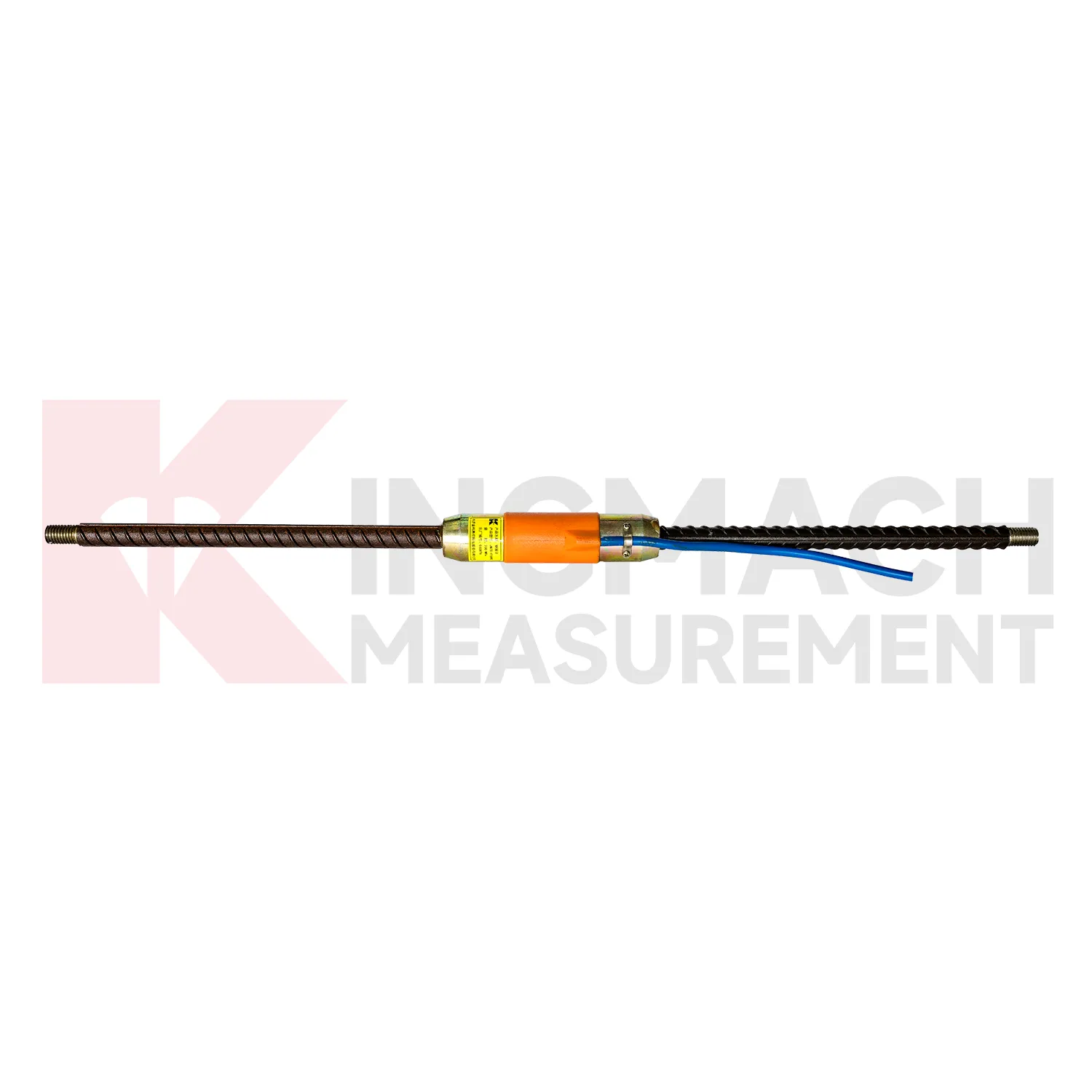
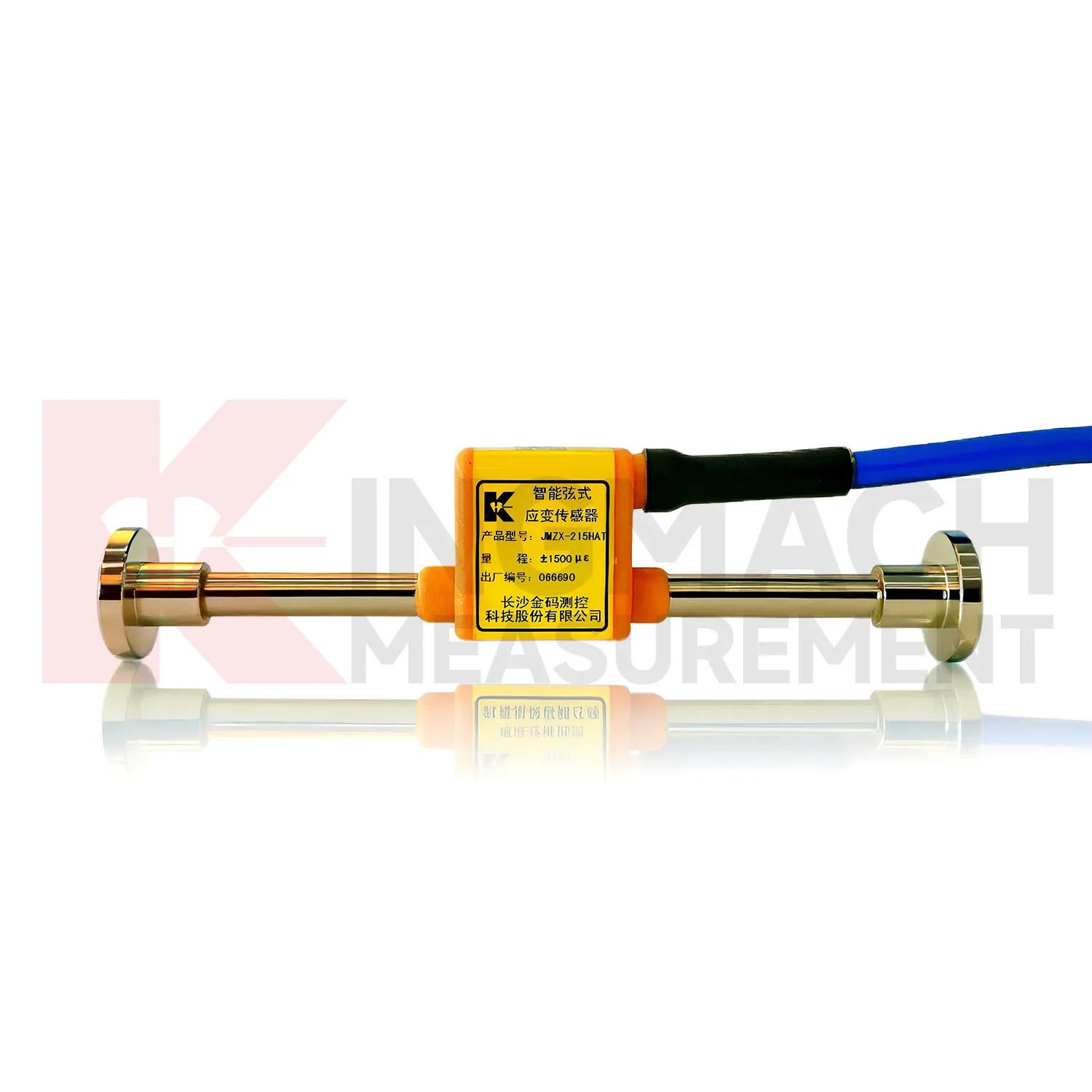
For reinforced concrete work, {keyword} can be installed where the stress path cannot be seen after pouring. Embedded gauges and rebar strainmeters allow engineers to follow internal strain, reinforcement stress, shrinkage, creep, and load transfer inside concrete members. Kingmach's JMZX-215HA/215HAT/HB embedded model is tied to rebar or mounted on brackets before concrete placement, while the JMZX-4XXHAT/HB rebar strainmeter measures stress in reinforcing steel. These instruments are useful in dams, bridges, pile foundations, cut off walls, tunnels, and large buildings. The data helps project teams understand whether the internal structure is carrying load as intended after construction advances. Because the monitoring point is selected around an engineering risk, the reading can support inspection planning, load review, reinforcement work, or acceptance testing. It also gives engineers a cleaner baseline for later comparison. The same data can guide inspection notes and repair timing. Site records matter. That field record supports later inspection.
FAQ
Q: What is {keyword} used for?
A: It measures strain, reinforcement stress, or force related deformation in structures such as bridges, tunnels, dams, buildings, slopes, rail systems, wind towers, and industrial frames.
Q: Which Kingmach models are related to this product group?
A: Common models include JMZX-212HAT/HB surface gauges, JMZX-215HA/215HAT/HB embedded gauges, JMZX-206HAT welded gauges, and JMZX-4XXHAT/HB rebar strainmeters.
Q: Can it support long term monitoring?
A: Yes. Kingmach vibrating wire models are designed for long term observation and can work with readouts, automated acquisition systems, and monitoring platforms.
Q: What accuracy is available?
A: Several Kingmach strain gauge models list 0.5%F.S. accuracy, with 0.1 microstrain resolution on surface, embedded, and welded strain gauge models.
Q: Is it suitable for wet sites?
A: Yes, selected models use sealed stainless steel structures with waterproof performance up to 150 meters, while rebar strainmeters list 2 MPa waterproof performance.
Reviews
Joshua Clark
We ordered a full monitoring solution including sensors and data loggers. Everything works seamlessly together. Great supplier!
David Wilson
We purchased displacement transducers and settlement sensors, and the quality exceeded our expectations. Easy installation and reliable performance.
Latest Inquiries
To protect the privacy of our buyers, only public service email domains like Gmail, Yahoo, and MSN will be displayed. Additionally, only a limited portion of the inquiry content will be shown.
Harper***@gmail.comIndia
Dear Sir, we are planning to procure a complete monitoring system including strain gauges, tiltmeter...
Mia***@gmail.comNetherlands
Dear team, we are interested in your readouts & data loggers compatible with multiple sensors. Do yo...
Related product categories
- strain sensors manufacturers
- surface strain sensor market
- wholesale strain gauge weight sensor
- strain gauge calibration
- strain gauge measurement
- strain gauge for weight measurement
- strain gauge pressure sensors
- strain gauge application
- strain gauge sensor application
- strain gauge sensor types
- strain gauge vibration sensor
- strain gauge weight sensor